Travel · PRACTICAL GUIDE
Hotel Incidental Hold Still Pending After Checkout? Check This Before You Call
A pending hotel incidental amount is usually an authorization, not a second posted charge. Use the folio, transaction status and payment card to decide whether to wait, call hotel billing or contact the card issuer.
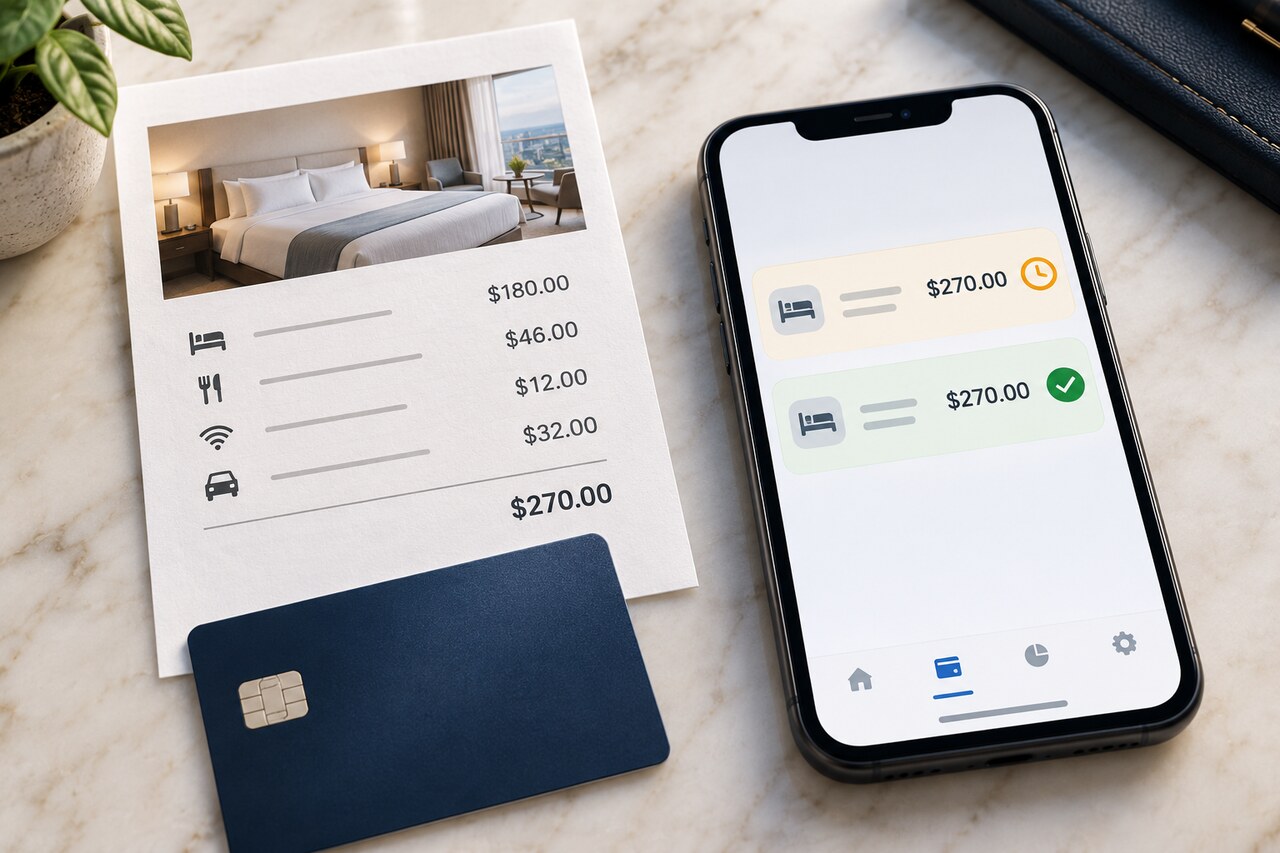
If a hotel’s incidental amount is still marked pending after checkout, first confirm whether it is an authorization or a posted charge. A pending authorization temporarily reduces your available credit or bank balance; it is not yet the final bill. Compare it with your final folio and the completed hotel transaction.
If the folio is correct and the old amount remains pending, ask hotel billing whether the original authorization was reversed or completed, then give that information to your card issuer. If the amount has posted, appears twice, or is unauthorized, use the billing-error or fraud path instead of waiting for a hold to expire.
This guide applies to U.S. hotel stays and U.S.-issued payment cards. Property and issuer policies vary, so no single release deadline applies to every stay.
1. Identify the transaction you actually have
Open the card or bank account used at check-in and compare every hotel transaction with the final folio. Classify the item as a pending authorization, the correct final posted charge, two posted hotel charges, or unauthorized activity. A pending item reduces available credit or funds but is not completed; two completed charges are not simply an open hold; an unrecognized property or stay belongs in the fraud path immediately. The hotel sends an authorization, reversal or settlement message, while the issuer controls how it appears and when availability returns.
2. Build a small evidence packet before calling
Collect the final itemized folio, checkout date, property name and location, last four digits of the check-in and final-payment cards, and the exact amount, status, date and descriptor of every hotel item. Save a screenshot with full account and card numbers hidden. If you paid with a different card at checkout, say so: the original authorization can remain pending while the new payment settles, so hotel billing may need both cards’ last four digits.
3. Call hotel billing first—and ask a precise question
Call the property and ask for the front-office manager or billing team. Ask whether the original authorization was reversed, voided or completed; request its amount, time and card last four digits; confirm whether final settlement succeeded; and request the folio plus written release or settlement confirmation. If available, ask for a trace or acquirer reference. Do not call it only a refund: an authorization release is not always a refund. If the folio itself is wrong, ask the hotel to correct the posted charge.
4. Then contact the card issuer
Give the issuer the checkout date, hotel name, authorization and final amounts, card last four digits, folio and hotel confirmation. Ask whether the item is open or posted, the issuer’s own release window, whether it sees a reversal or settlement, and the escalation route after that window. Neither party can always remove it instantly. For debit or prepaid cards, explain if essential funds are blocked; Visa notes that a hotel debit hold sets money aside until final processing, so the issuer’s exact policy matters.
5. Decide whether to wait, escalate or dispute
Wait only when the item is pending, the folio is correct and you are inside the hotel or issuer’s stated window. Escalate to hotel billing if the issuer sees no reversal or settlement. Escalate to the issuer if the hotel supplies release evidence but the item stays open beyond the issuer’s window. Dispute an incorrect or duplicate posted charge if the hotel will not correct it, and use fraud support immediately for an unauthorized stay. Hilton’s 72-hour and Marriott’s up-to-five-business-day examples are provider-specific, not universal promises. Some issuers require an authorized pending item to post before a standard dispute.
6. Know what a completed resolution looks like
The matter is resolved only when the old pending authorization disappears, available credit or funds return, and one correct final posted charge matches the folio. Keep the folio and screenshots until all three are true. For a future stay, ask the authorization amount and quoted release window at check-in, use the same card at check-in and checkout when practical, and consider the cash-flow impact before using debit or prepaid funds.