Science/Climate · PRACTICAL GUIDE
Air Purifier Size for Wildfire Smoke: Smoke CADR, Room and Ceiling Height
Start with the space the purifier actually serves, use the tobacco-smoke CADR rather than a vague room-size claim, size up for ceilings above 8 feet, and prioritize a cleaner-air room if whole-home coverage is unrealistic.
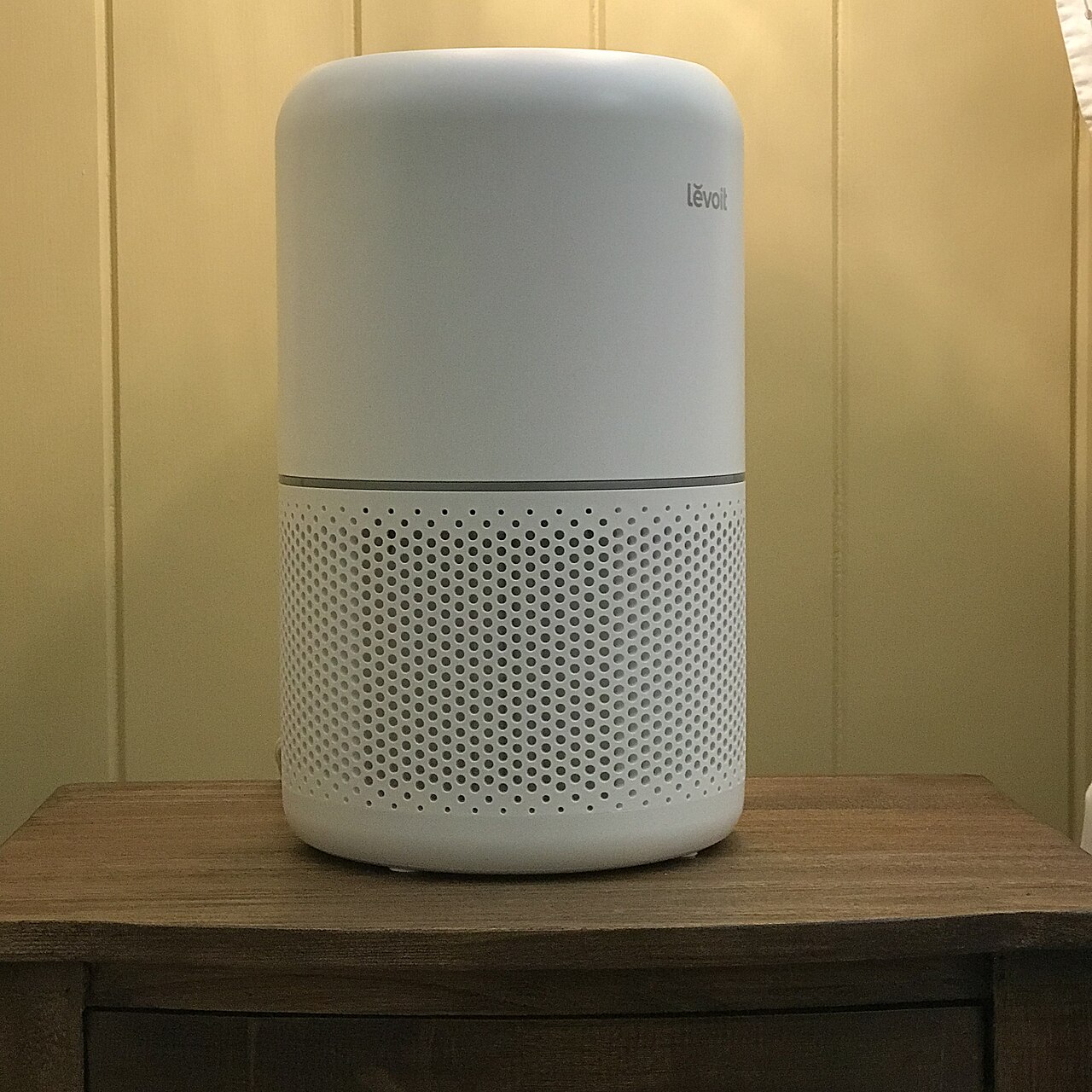
For wildfire smoke, the useful buying question is not simply “How many square feet does this purifier advertise?” First define the space you actually want to clean. A portable air cleaner is mainly a single-room or single-area device; if the living room and kitchen form one open floor plan, EPA says to consider the whole connected area the cleaner would serve.
Then look for the unit’s tobacco-smoke Clean Air Delivery Rate, or CADR. EPA’s current wildfire guidance says the smoke CADR should be at least two-thirds of the room area in square feet for a typical 8-foot ceiling. A 150-square-foot bedroom therefore needs at least about 100 cfm of smoke CADR; a 300-square-foot room needs about 200; and a 450-square-foot open area needs about 300. If the ceiling is higher than 8 feet, choose a unit sized for a larger area rather than treating floor area alone as enough.
1. Define the air-cleaning zone before you compare machines
Measure the floor area the purifier will actually serve. For a bedroom with a door you can keep closed, length × width is a practical starting point. For an open living room and kitchen that share air, EPA says to consider the entire open area rather than rating the purifier against only one side of the space.
Do not assume one portable unit covers a whole home just because its marketing shows a large square-foot number. EPA describes portable air cleaners as devices for a single room or area. If the connected area is larger than one available product can serve, its general home-air guide says multiple air cleaners can be considered.
2. Use smoke CADR, not a vague room-size headline
Find the CADR for tobacco smoke, not just dust or pollen. EPA says tobacco-smoke CADR represents the smaller particles relevant when choosing a cleaner for fine-particle removal, and its July 2026 wildfire guidance says the smoke CADR should be at least two-thirds of the room area in square feet. CADR is normally measured at the cleaner’s highest speed.
That gives a quick minimum check for an 8-foot ceiling: 150 square feet × 2/3 ≈ 100 cfm; 300 × 2/3 ≈ 200 cfm; 450 × 2/3 ≈ 300 cfm. These examples are sizing checks, not promises about indoor air quality. Leakage, smoke intensity, fan speed, placement, filter loading, and how often doors open all change real-world performance.
3. High ceilings and open plans mean you should size up
The two-thirds shortcut assumes roughly an 8-foot ceiling. EPA explicitly says that rooms with ceilings above 8 feet should use a cleaner sized for a larger area. That is because the same floor area contains more air when the ceiling is taller. If your room is unusually tall, do not use the floor-area minimum as if nothing changed.
For a large open space, choose a higher-CADR cleaner or use more than one properly placed unit when one product cannot serve the area. Keep intake and exhaust paths clear; EPA advises placing cleaners where people spend the most time and away from curtains or anything that blocks airflow.
4. If whole-home coverage is unrealistic, build one cleaner-air room first
EPA and AirNow recommend a cleaner-air room during wildfire smoke events. Pick a room large enough for the household to spend time in, close windows and doors when it is safe, reduce indoor activities that create particles, and use a properly sized cleaner there. This can be a better first purchase than under-sizing one device for an entire home.
During smoke, EPA says to run a portable cleaner continuously on its highest fan setting for maximum filtration. AirNow gives the same continuous-use advice. If noise would make you turn the unit off, a larger or quieter model may be more practical because lower fan speeds filter less air.
5. Use HVAC or DIY filtration as a second path—not as a reason to buy an ozone generator
If you have central forced-air heating or cooling, EPA recommends a high-efficiency filter—preferably MERV 13 or higher if the system can safely accommodate it—and running the system fan more often during smoke. AirNow also recommends MERV 13 or higher and recirculation rather than pulling smoky outdoor air inside when the system allows.
If commercial cleaners are unavailable or unaffordable, EPA says a properly built DIY air cleaner can be an effective temporary alternative for smoke particles. Its current cleaner-air-room guidance recommends MERV 13 or higher filters and a newer box fan made since 2012 with a UL or ETL safety mark. EPA says electronic cleaners that may produce ozone are not recommended for smoke removal, and ozone itself is a harmful lung irritant.
6. Particle CADR does not tell you how well a purifier removes gases or odors
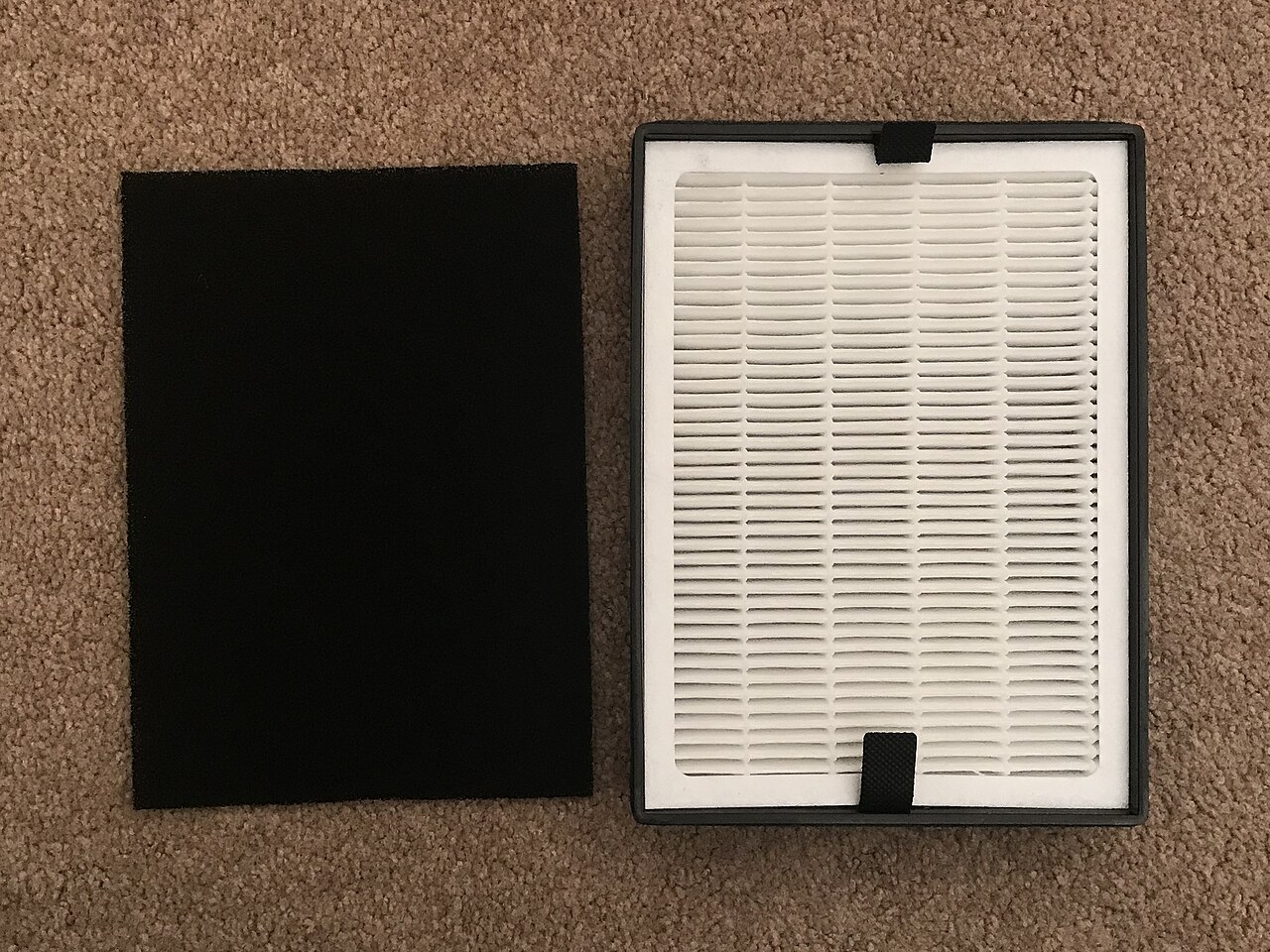
Wildfire smoke contains particles and gases. CADR is a particle-removal rating; EPA says there is no widely used performance rating system for portable gas-removal filters. If gas or odor removal matters, EPA points to activated carbon or another adsorbent filter and notes that a substantial amount of carbon is more effective than a thin token layer.
That means a high smoke CADR can be a strong particle-sizing signal without proving that a unit will remove every odor or gaseous pollutant. No portable cleaner eliminates every indoor pollutant, and filtration does not replace source control, keeping smoke out when possible, or following evacuation and local air-quality instructions.