Science · NEWS EXPLAINER
Varda raises $250 million at $1.6 billion valuation to scale orbital drug manufacturing
Varda Space raised a $250 million Series D at a $1.6 billion valuation, Reuters reports, taking total capital raised to $598 million. The company plans to use the funding to expand reusable orbital manufacturing and reentry capacity, with pharmaceuticals becoming a larger part of its commercial strategy.
Varda Space has raised $250 million in Series D financing at a $1.6 billion valuation, according to Reuters. The round brings the in-space manufacturing company’s total capital raised since its 2021 founding to $598 million and is intended to help scale its orbital pharmaceutical-manufacturing platform.
The funding does not mean medicines made in orbit are already a mass-market product. Varda’s model is to launch uncrewed manufacturing capsules, use microgravity for research or production work, and return material to Earth in reentry capsules. Company and NASA material shows that pharmaceutical development is a real target of the platform, but commercial scale and patient-facing products remain future outcomes.
What the new funding is meant to scale
Reuters says the Series D is aimed at scaling Varda’s orbital pharmaceutical manufacturing. The company uses uncrewed W-Series capsules designed to spend time in low Earth orbit and then return payloads to Earth, combining in-space work with a reentry system.
Reuters also reports that Varda has booked 28 alternative launches through 2029 and is planning a next-generation capsule for 2030. Those are forward-looking capacity plans, not completed missions or guaranteed launch dates.
Why microgravity is interesting to pharmaceutical researchers
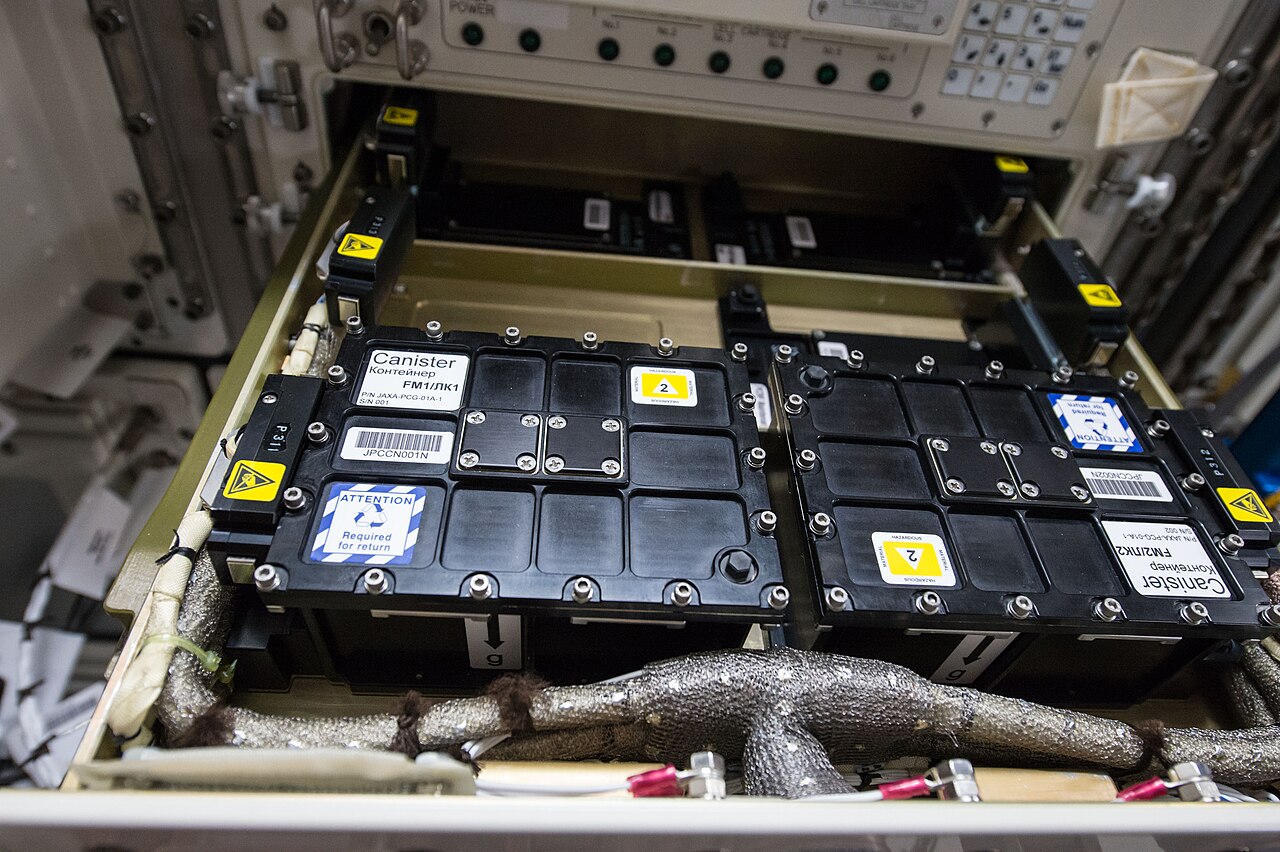
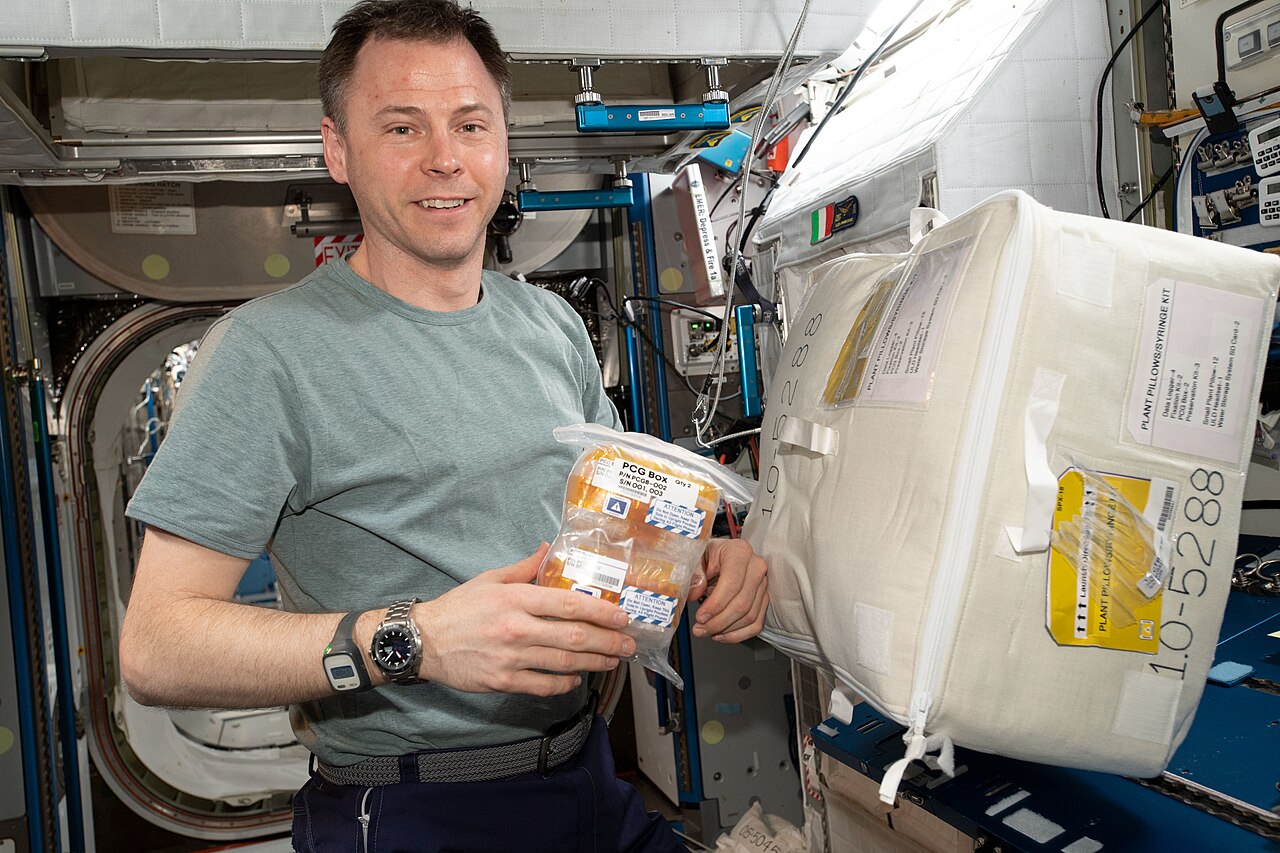
Microgravity changes how some crystals and materials form because buoyancy and sedimentation behave differently than on Earth. NASA has documented protein-crystal experiments in which microgravity-grown crystals were larger or higher-resolution, potentially improving structural analysis used in drug research.
That scientific background does not prove that every drug or formulation benefits from space manufacturing. The business case depends on whether a specific process produces enough improvement to justify launch, reentry and qualification costs.
Varda is adding more pharmaceutical expertise
Varda said in August that former Pfizer research and development leader Mikael Dolsten joined its board as it accelerates space-based pharmaceutical manufacturing. The company has also announced a collaboration with United Therapeutics to explore microgravity-enabled formulation work for rare pulmonary disease treatments.
Reuters reports that about 18% of Varda’s 275 employees come from pharmaceutical backgrounds and that the company expects pharmaceutical clients to surpass government customers by 2032. The 2032 mix is a company expectation, not a current revenue result.
What investors and customers still need to see
Varda has demonstrated repeated orbital missions and capsule reentry, but the next step is proving that a larger flight cadence can support repeatable commercial manufacturing. Reuters says five of the company’s first six missions successfully reentered, while the fourth did not.
For pharmaceutical customers, evidence will need to connect a microgravity process to a useful product outcome, then show that the material can be produced, returned and handled reliably. The new financing gives Varda more capital to pursue that scale-up; it does not settle the economics by itself.