Technology · NEWS EXPLAINER
UK proposes opening iPhone contactless access: what could change beyond Apple Pay
Britain’s competition regulator is consulting on lower fees and access to both HCE and secure-element technology for iPhone contactless services. The proposal could enable more wallets, passes and digital keys, but no final decision has been made.
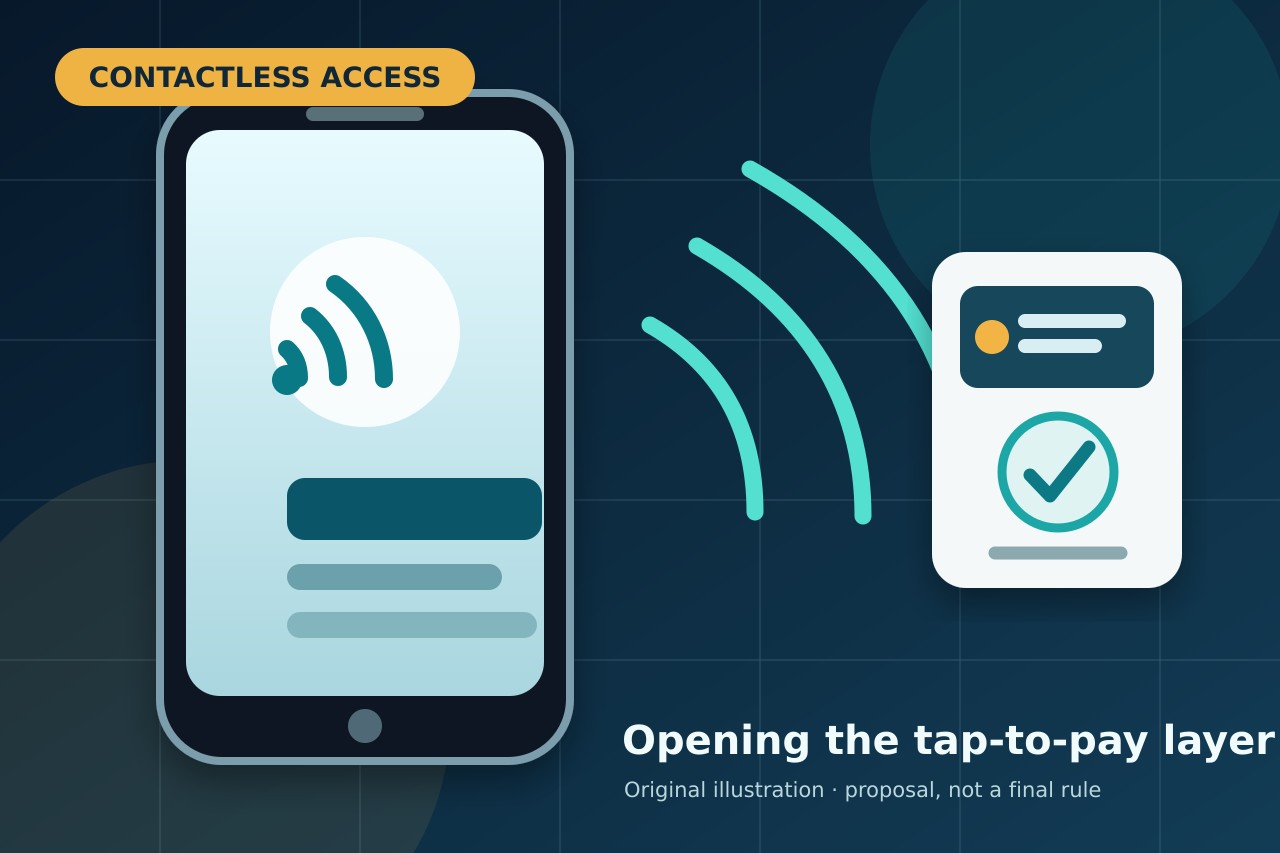
The UK Competition and Markets Authority has proposed requiring Apple to offer businesses broader access to the iPhone’s near-field communication technology on commercially workable terms. The consultation targets both technical access and fees, with the aim of making rival wallets and other contactless services easier to launch in Britain.
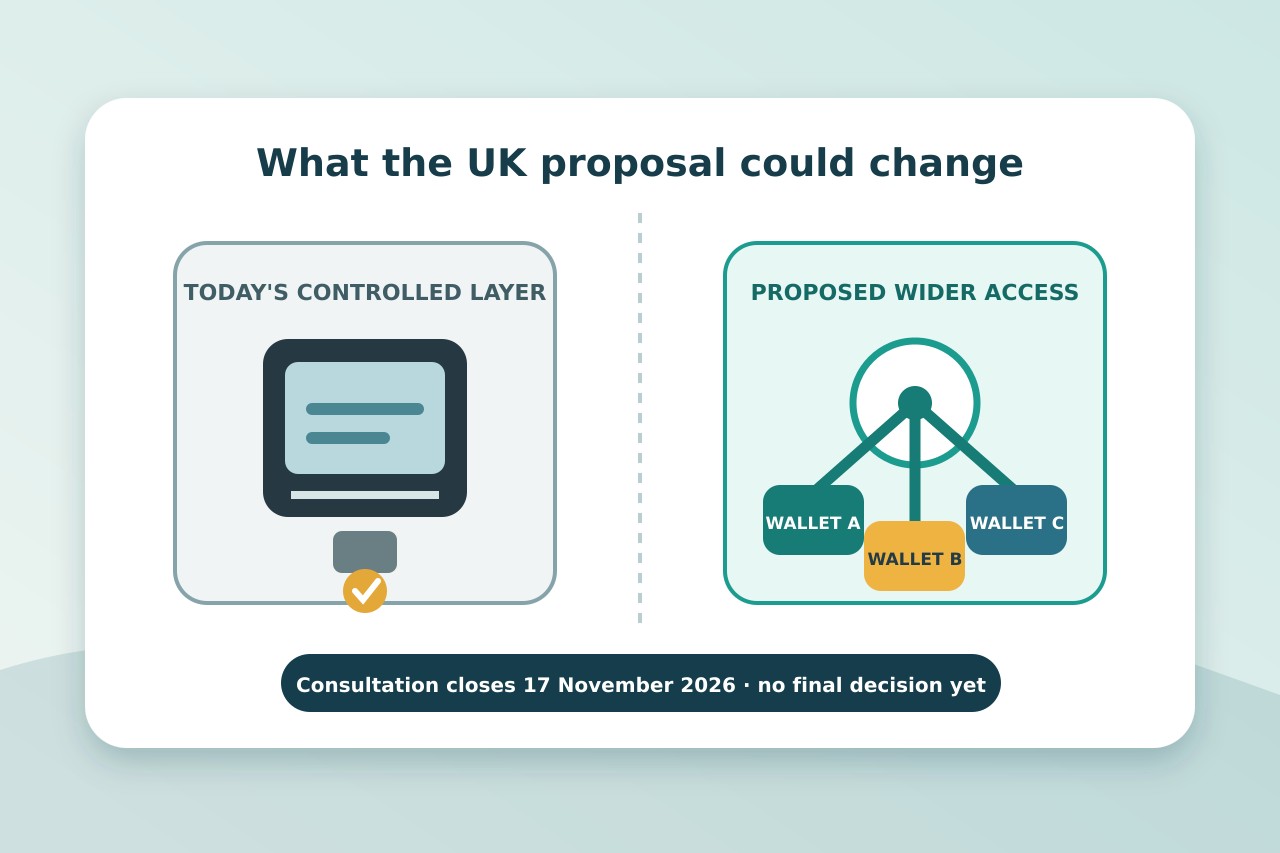
This is not yet a binding rule. The consultation closes on 17 November 2026, after which the CMA will assess responses and make a final decision. Apple says developers already have access through its secure-element technology and argues that requiring a different approach could reduce privacy and security protections.
What the CMA is proposing
The regulator wants Apple to support the two main contactless approaches used internationally: host card emulation (HCE), which can keep credential data off-device, and secure element (SE), which stores sensitive information on the device. Apple currently offers SE access in the UK. The proposal would add HCE and preserve SE, giving developers a choice rather than forcing every service through Apple Pay or Apple Wallet. The CMA says the change could support payment apps, digital IDs, travel passes, loyalty tools and digital keys.
Fees are part of the competition test
Technical access alone is not enough if the price makes a product uneconomic. The CMA is therefore proposing principles intended to produce substantially lower access fees while still rewarding Apple for providing the technology. It is not proposing to set a fixed price. That distinction matters: a final measure could constrain how terms are determined without making access free, unlike the commitments adopted in the European Union.
Why contactless access matters in Britain
Contactless payments accounted for 39% of all UK payments in 2025, up from 3% a decade earlier, according to figures cited by the CMA. More than 60% of adults use a digital wallet, and Apple Wallet is the most popular. Yet the regulator says no wallet-type competitor to Apple has launched in Britain, while several alternatives appeared in the EU after Apple opened HCE access there. The comparison does not guarantee that the same services or prices will appear in the UK.
Apple and fintechs disagree on the trade-off
Revolut welcomed the proposed HCE access as a way for UK fintechs to compete more directly. Apple responded that developers can already build contactless services using its NFC and secure-element technology, which supports payments, transit passes and tickets while protecting credentials. The company said it does not believe the CMA should mandate an approach with lower privacy and security protections and said it would continue engaging with the regulator. The CMA says evidence it reviewed does not show inherent security concerns with either HCE or SE.
What users and developers should watch next
Nothing changes for iPhone users on the day of the announcement. Apple Pay continues to work, and the proposal does not create an immediate right to download a rival UK wallet. Developers can study the consultation and submit responses through the CMA case page by 17 November. The final decision will determine whether Apple must offer both technologies, how commercial principles are framed and when any requirement begins. Until then, claims that the iPhone NFC market has already been opened in Britain are premature.