Business · NEWS EXPLAINER
Thyssenkrupp sets October 28 for tk accelis spin-off: how the 49%, 51% and 20-to-1 split works
The materials trader is due to begin Frankfurt trading on October 28. Existing Thyssenkrupp shareholders receive 49%, while the parent keeps 51% and strategic control.

Thyssenkrupp confirmed October 28 as the planned first trading day for tk accelis, turning a previously proposed separation into a dated listing step.
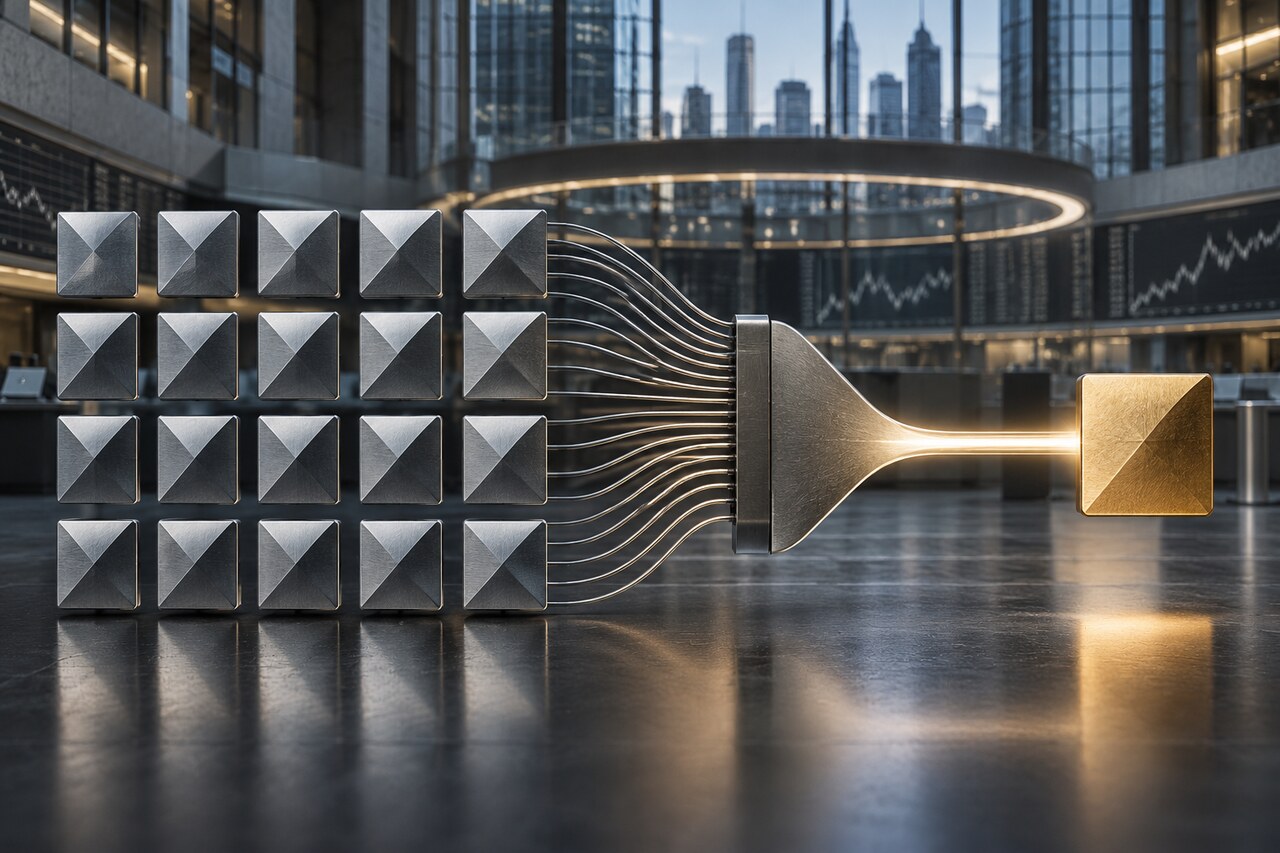
The transaction is a distribution to existing shareholders, not a sale of the whole business: 49% goes to investors pro rata, Thyssenkrupp retains 51%, and the allocation is one new share for every 20 Thyssenkrupp shares.
What changed on October 21
Thyssenkrupp moved the plan from an end-of-October target to a stated October 28 trading date. Reuters reported the confirmation at 13:21 UTC. The schedule still depends on the spin-off becoming effective through registration and admission to trading, so the date is planned rather than a guarantee against administrative delay.
The parent is not exiting the business
Existing Thyssenkrupp investors receive 49% of tk accelis in proportion to their current holdings. Thyssenkrupp keeps 51% and describes itself as the strategic majority shareholder. The transaction creates a separately traded company while preserving parent control; it is not a 100% disposal or cash sale.
The 20-to-1 ratio is an allocation rule
For every 20 Thyssenkrupp shares held, an investor is allocated one tk accelis share without a cash payment for that allocation. Fractions cannot be treated as a promised whole share. Broker processing, fractional entitlements and local tax treatment can differ, so investors should check their custody notice rather than infer mechanics from the headline.
Why tk accelis matters to the group
Reuters calls tk accelis Thyssenkrupp’s largest division by sales. Company documents put fiscal 2024/2025 sales at €11.4 billion and employment at about 15,500 across 30 countries. The unit combines materials distribution, processing and supply-chain services, making the listing a central step in Thyssenkrupp’s shift toward a holding-company model.
What happens before and after trading starts
The spin-off takes effect only after entry in the relevant commercial registers. Shares are then intended for Frankfurt’s regulated market. After listing, tk accelis will have its own market price and reporting obligations, while Thyssenkrupp still consolidates control through its 51% stake. Market value, trading liquidity and tax consequences are not fixed by the allocation ratio.
Reader checklist
Shareholders should verify the record and processing information from their broker, the number of Thyssenkrupp shares held, treatment of any fractional entitlement and the first statement showing the new security. The October 28 date, 49/51 ownership split and 20-to-1 allocation are the confirmed mechanics; opening price and investor outcome remain unknown.