Technology · NEWS EXPLAINER
Tata plans a $450 million AI fiber highway across India; contracts are not yet announced
Tata Communications says it will build roughly 10,000 kilometres of fibre linking major data-centre corridors. The plan is substantial, but management says customer talks are still under way and no network contracts have been announced.
Tata Communications has turned India's AI infrastructure race toward the links between data centres. On October 26, the company announced close to $450 million of investment in an approximately 10,000-kilometre long-haul and metro fibre network. Reuters confirmed the three-phase route, while a Moneycontrol interview added that spending is planned over three to five years and that customer contracts have not yet been announced.
What Tata announced on October 26
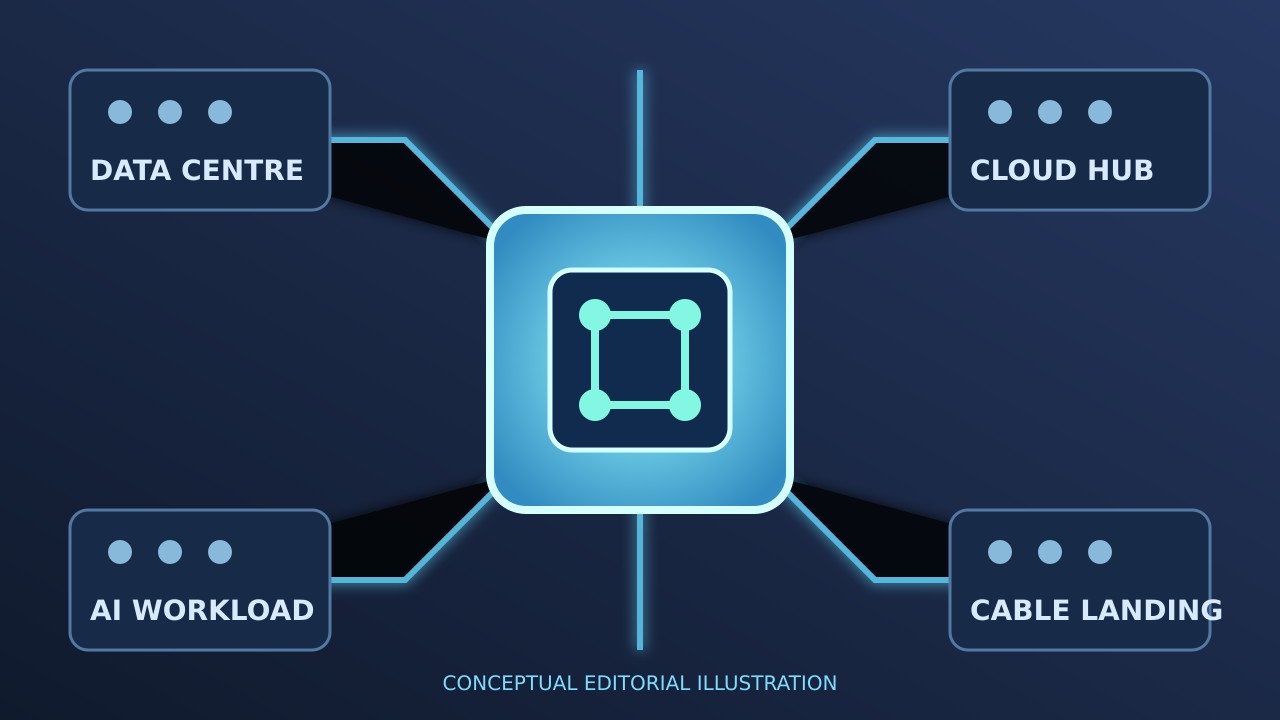
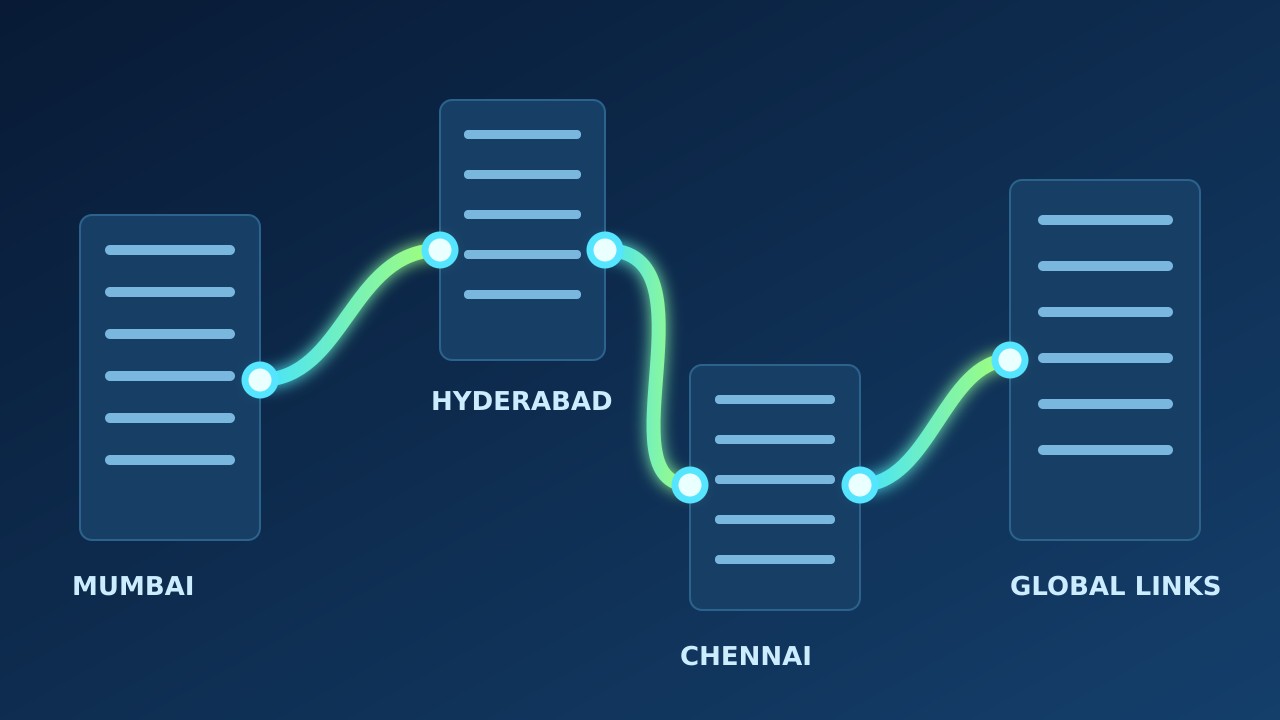
The proposed “AI Super Highway” will connect data centres, cloud providers, global capability centres, banks and other large users that need fast, resilient links for AI workloads. Reuters reported that the first phase covers Mumbai, Pune, Hyderabad and Chennai. Later phases are planned for the east coast and western ecosystems, including Visakhapatnam, Bhubaneswar, Jamnagar and GIFT City.
The timetable and capacity are plans, not finished infrastructure
Rupesh Chokshi, Tata Communications' network-services chief, told Moneycontrol that the company expects to deploy the capital over three to five years, prioritising corridors according to traffic, capacity needs and data-centre development. He described 7.2 petabytes of designed capacity and said a Mumbai-Chennai round trip could target 15–16 milliseconds. Those are company targets for the build, not measurements from a completed network.
Who the network is meant to serve
The company is targeting hyperscale cloud operators, newer AI-cloud providers, software companies, AI labs and multinational operations in India. Tata Communications says the domestic routes will connect with cable landing stations and its global backbone, which spans more than 500,000 kilometres of subsea fibre and more than 200,000 kilometres of terrestrial fibre. The practical goal is to let customers move training and inference data between Indian facilities and overseas AI hubs without treating each data centre as an isolated island.
What remains unconfirmed
The $450 million figure is an announced investment envelope, not proof that every route has been built or that all spending has been committed immediately. Chokshi told Moneycontrol that Tata Communications is in advanced discussions with customers but has not announced contracts for the network. The company's estimate that India's data-centre interconnection market could exceed $1 billion, and its target of 30%–40% market share, are management expectations rather than independently verified outcomes.
The evidence to watch next
The clearest signs of execution will be named anchor customers, route-by-route construction milestones, service launch dates and measured latency or capacity under real traffic. Announcements for fibre permits, cable landing integration and the second and third phases would show whether the build is moving beyond the first corridor. Until those appear, the story is a large, phased infrastructure commitment with disclosed geography and technical ambitions—not a completed nationwide AI network.