Travel/Public Service · NEWS EXPLAINER
Sydney Airport preliminary reports examine staffing and fatigue risk after ground conflicts
Australia’s ATSB has released preliminary reports on four July–August ground conflicts at Sydney Airport. Investigators are examining tower resourcing, rostered fatigue risk and safety controls, but the reports do not establish that staffing or fatigue caused any incident.
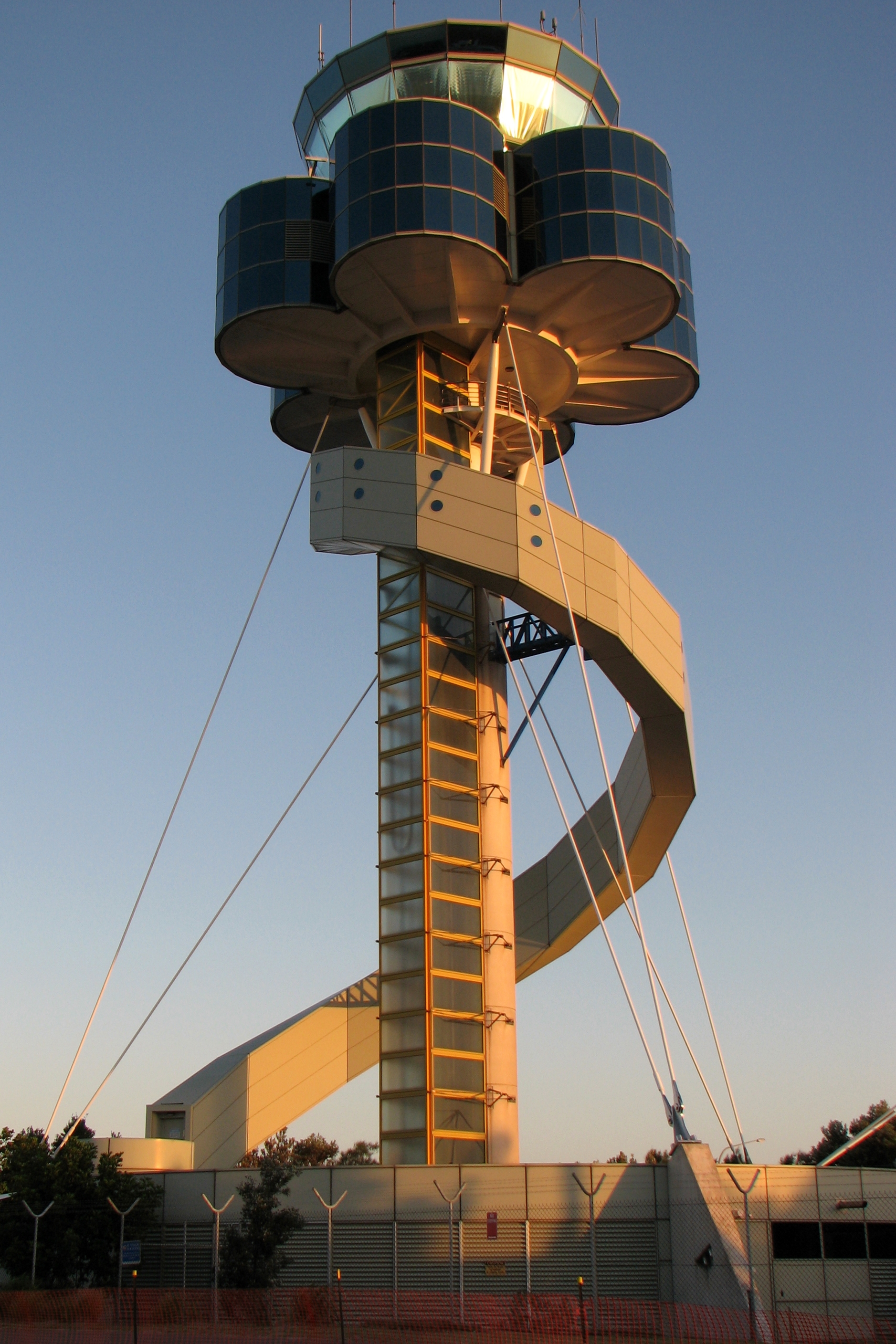
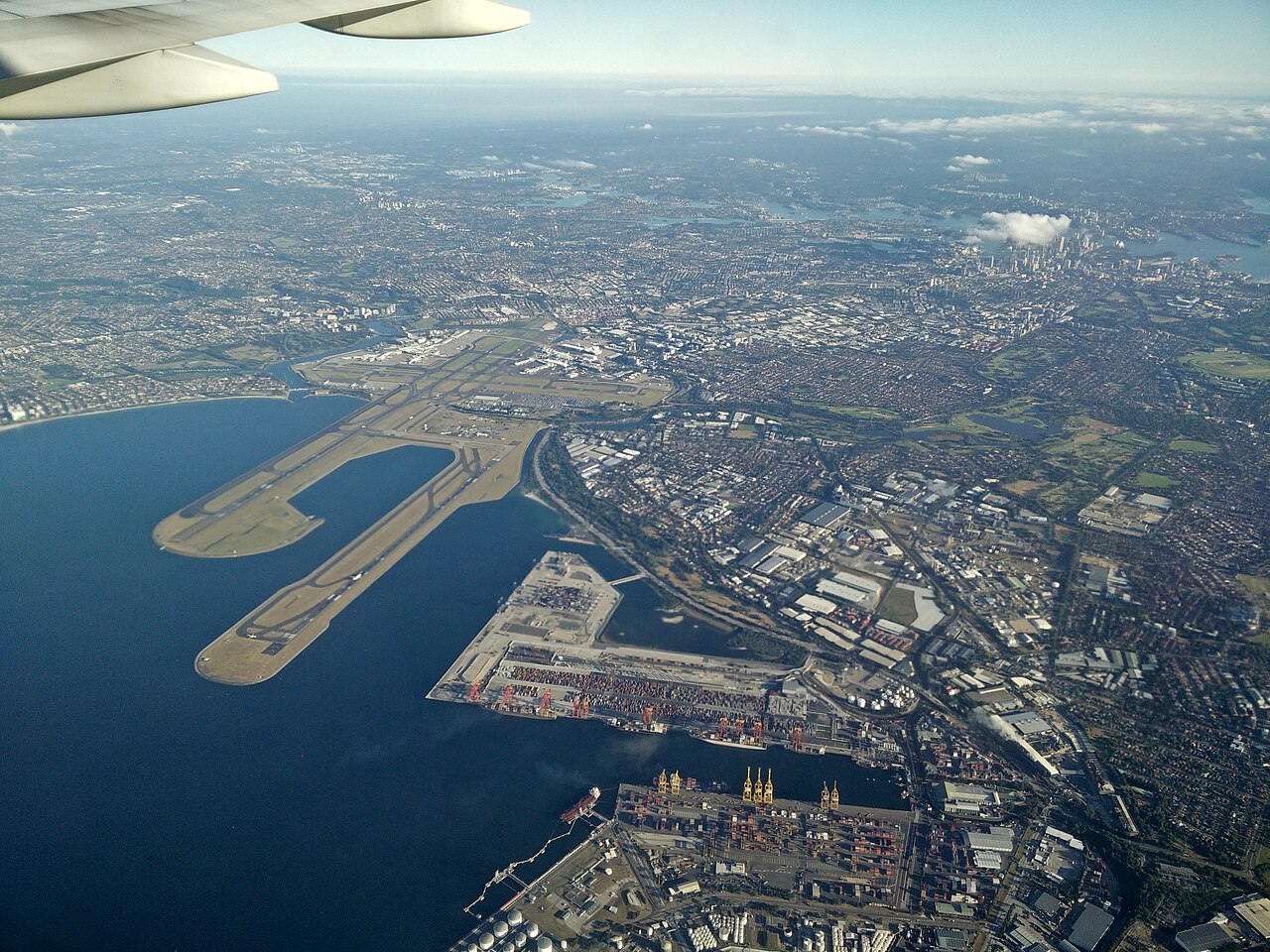
Australia’s transport safety investigator has released preliminary reports on four of six ongoing investigations into July and August ground conflicts at Sydney Airport, adding factual timelines for several close calls involving aircraft on runways and taxiways. The Australian Transport Safety Bureau says these preliminary reports are updates only: they contain no findings or analysis, and final conclusions will come later.
The new material puts air-traffic-control resourcing and fatigue controls under scrutiny without assigning blame. ATSB says staff resourcing is a recurring area of inquiry and roster modelling identified periods of elevated fatigue risk, but it explicitly says that does not mean a controller was fatigued or that fatigue influenced performance. CASA says it sees no immediate safety risk to the travelling public.
What the four preliminary reports establish
The July 27 event involved a Qantas 737 being cleared to cross a runway in front of a QantasLink Dash 8 that had landed; ABC reports separation reduced to about 120 metres. On August 9, a Jetstar A320 braked for a Qatar 777 under tow and a cabin crew member fractured a wrist. Later that day, a Virgin Australia 737 rejected takeoff as a Qantas 737 began crossing ahead, and an August 18 report covers another Qantas ground conflict. These are preliminary factual accounts, not final causal findings.
Staffing and fatigue are inquiry lines, not proven causes
ATSB says staff resourcing has become a recurring area of inquiry across the Sydney investigations. Its work includes controller handovers, rostering, fatigue management and how roles were combined, while ABC reports investigators are also looking at overtime. Roster modelling identified periods of elevated fatigue risk, but ATSB stresses that a predicted risk does not prove a controller was fatigued or that fatigue affected performance.
Sydney’s conflict rate is higher, with an important complexity caveat
ATSB’s separate statistical review says Sydney has recorded the highest post-COVID ground-confliction rate per aircraft movement among Australia’s major airports, about 20% above the national average. The bureau also says the figure must be read in the context of Sydney’s greater traffic and airport-layout complexity, so the statistic does not by itself identify a cause for any individual incident.
What happens next
ATSB’s investigations remain active and final reports will set out findings after evidence on air-traffic-control procedures, staffing, fatigue controls and other safety defences is analysed. CASA says it has not identified an immediate safety risk and that Australian aviation remains safe, while the federal government has announced an independent assurance panel. For readers, the key next evidence will be the final ATSB findings rather than speculation from the preliminary material.