Business/Consumer · PRACTICAL GUIDE
Package Marked Delivered but Missing? USPS, UPS and FedEx Next Steps
Save the delivery record, check the exact handoff location, use the carrier-specific case route, then move to the seller or card issuer with a clean evidence trail.

A Delivered scan is a starting point, not proof that you personally received the parcel. Save the tracking page and any delivery photo first, then check the exact safe-place and building handoff locations before opening a case.
Do not apply one carrier’s deadline to another. USPS, UPS and FedEx publish different missing-package routes; when the carrier limits the claim to the shipper, the practical next step is the seller or marketplace—not a second claim under a different name.
1. Preserve the delivery record before it changes
Take screenshots of the tracking page, delivery date and time, stated location, delivery photo, tracking number, order number, and the address shown in your order. Save the original confirmation and receipt too. When sharing evidence, cover any unnecessary account or address details.
Write down when you checked the mailbox, parcel locker, building desk, cameras, household members, and neighbors. This record separates what the carrier reported from what you actually found and gives the carrier or seller a usable timeline.
2. Search the exact handoff location—without assuming theft
USPS lists garages, porches, weather-protected areas, back entrances, parcel lockers, household members, and a building management office. UPS similarly tells recipients to check exterior doors, back patios, garages, neighbors, and anyone who may have picked up the parcel.
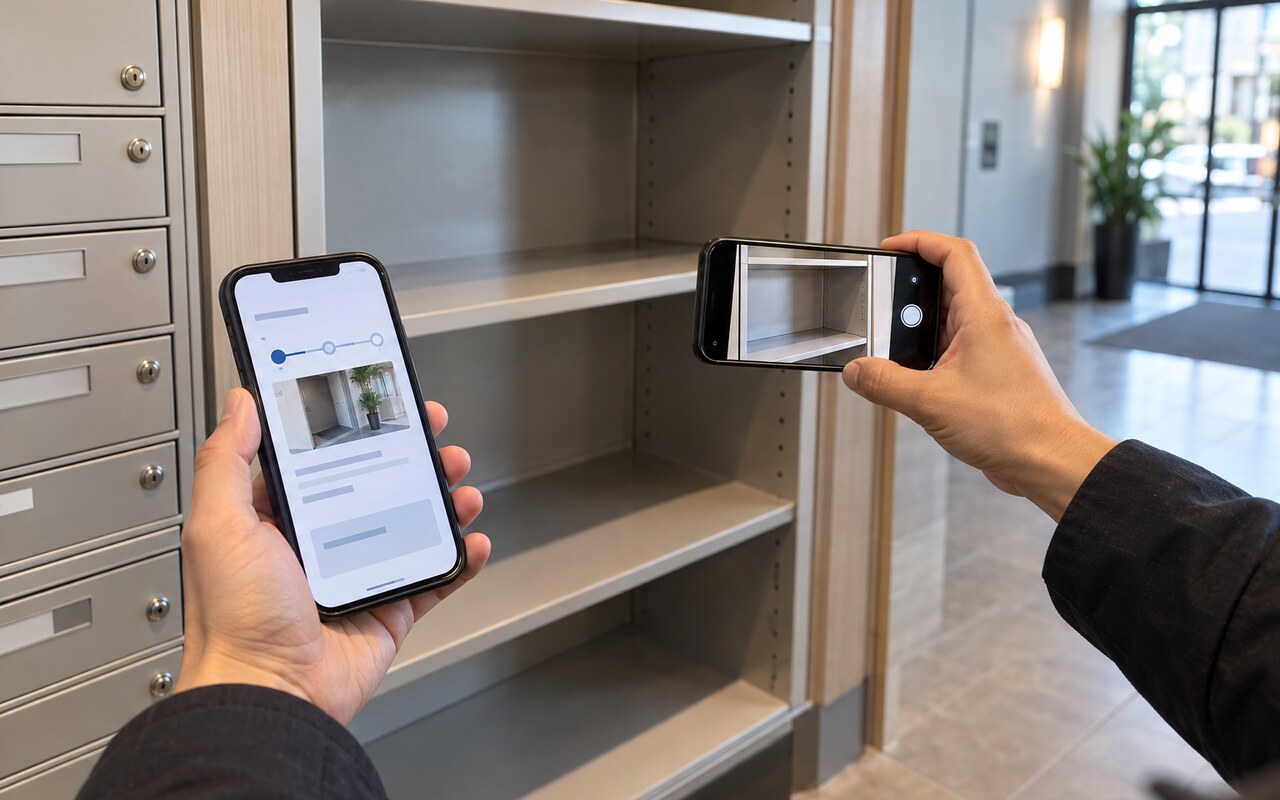
For FedEx, compare picture proof of delivery with your actual doorway, lobby, or parcel area. A mismatched scene is useful evidence, but a missing box alone does not prove who moved it or why; describe the observable mismatch rather than labeling it theft.
3. Choose the carrier branch that matches the tracking number
USPS: if the parcel is still missing and more than one postal business day has passed since the Delivered scan, use the USPS email-us route to submit an eligible service request to the local Post Office. Keep the request confirmation.
UPS: open a loss investigation promptly; UPS encourages doing so within 30 days of the expected delivery date. If the claim page reports a shipper restriction, contact the seller or marketplace because the recipient cannot remove that account restriction.
FedEx: from tracking, choose Manage Delivery and Report Missing Package, confirm the places you checked, submit contact details, and save the case number. FedEx also offers a separate online claim tool, but a case or claim is an investigation—not a promise of payment.
4. Move the case to the seller or marketplace when the shipper controls it
Open the order inside the seller or marketplace account and use its missing-delivery route. Provide the carrier case or service-request number, tracking screenshot, delivery-photo mismatch if any, and the time you checked the handoff locations. Ask for the specific available resolution—investigation, replacement, or refund—without claiming that approval is automatic.
The FTC advises contacting the seller first and keeping order confirmations, receipts, tracking numbers, and communications. If the seller tells you to file a carrier claim that the carrier reserves for the shipper, send back the restriction message and ask the seller to open or continue the claim from its account.
5. Use a payment dispute only as the backup—and watch the clock
If the seller will not reverse a charge for an order that was not delivered as agreed, the FTC says a payment dispute may be the next route. Credit-card billing-error rights generally require a written dispute within 60 days after the first statement showing the error; issuer procedures may also allow online or phone notice.
Debit-card protections differ, so contact the bank promptly and follow its instructions. A dispute is not a duplicate carrier search and does not guarantee a refund. Keep the carrier and seller records together, meet the issuer’s deadline, and treat written acknowledgement or a case number as the completion check for each escalation stage.