Technology · NEWS EXPLAINER
Nvidia unveils DSX POD as Europe robotics push expands at GTC Berlin
The factory-built Vera Rubin system is designed to cut prepared-site deployment from six months to as little as 14 days, while Nvidia and European partners outlined new physical-AI projects.
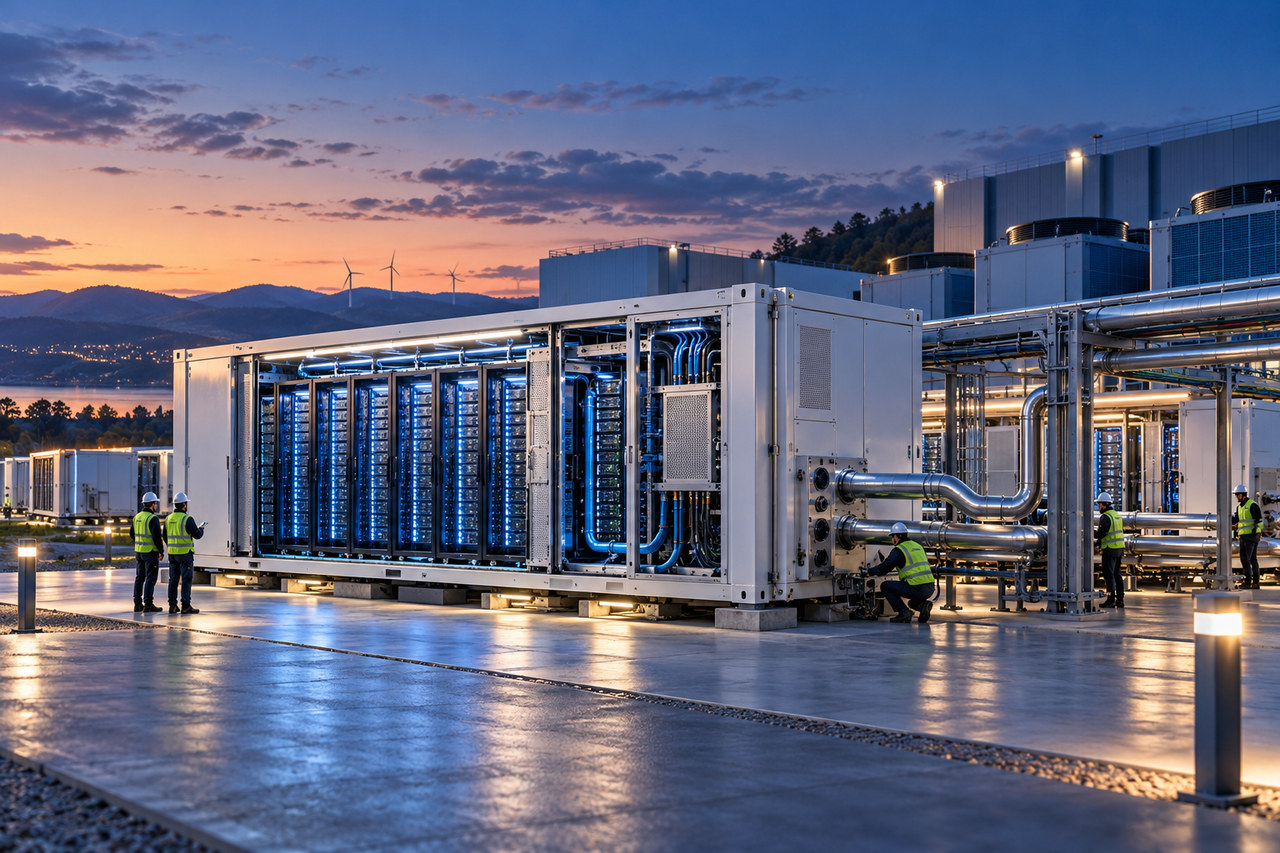
Nvidia used its GTC conference in Berlin on October 21 to introduce the DSX POD, a factory-built modular AI-computing reference design, and to expand partnerships with European manufacturers and robotics companies.
The announcement joins two practical bottlenecks in Europe’s AI push: deploying large computing systems faster and turning the region’s precision-engineering base into working robotics production rather than treating AI only as imported software.
DSX POD targets the time between construction and useful computing
Reuters and AP both described the DSX POD as a factory-built modular system based on Nvidia’s Vera Rubin platform. Nvidia’s claim is about installation at a site whose power, cooling and networking are ready: deployment could fall from about six months to as little as 14 days. The announcement does not prove every project will meet that schedule.
Europe’s manufacturing base is central to the robotics plan
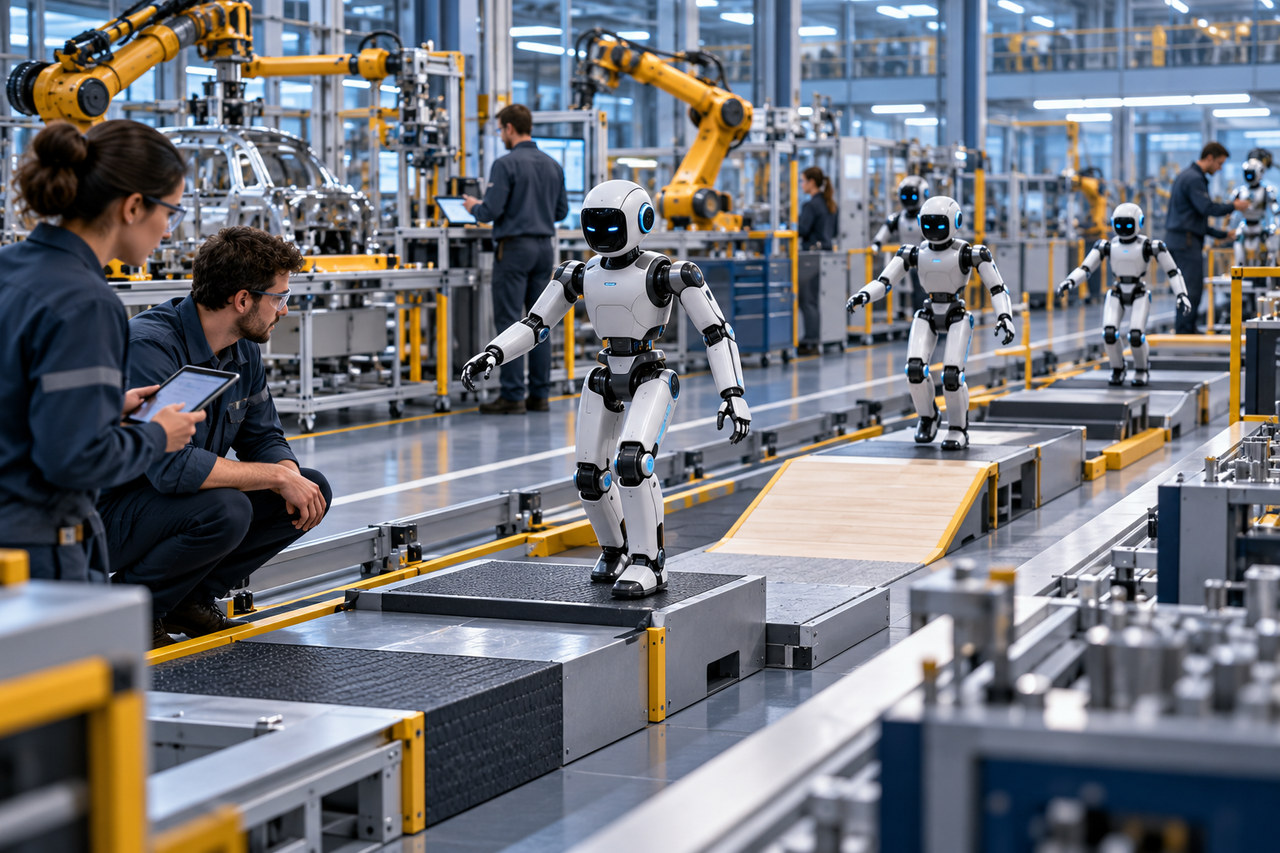
Nvidia framed Europe’s strength in mechatronics and precision manufacturing as an advantage for physical AI. Agile Robots CEO Zhaopeng Chen told Reuters that the German company plans to produce 1,000 to 2,000 compact humanoids next year in collaboration with Nvidia, with production scheduled to begin in late 2026.
Capital and compute remain separate constraints
Nvidia said it has committed nearly $10 billion to Europe’s technology ecosystem. AP reported that Europe has about 5% of global AI-computing capacity, compared with roughly 75% for the United States. Investment announcements and reference designs can expand options, but they do not by themselves create grid capacity, operating sites or sustained customer demand.
OpenShell addresses control, not every AI-safety question
AP reported that Nvidia presented OpenShell as open-source software for exerting external control over AI applications and blocking policy violations. That is a defined control mechanism, not proof that autonomous systems cannot fail; live robot demonstrations at the event also showed that physical behavior remains imperfect.
What to watch after the Berlin announcements
The clearest follow-up measures are whether modular deployments actually compress installation schedules, whether announced robot volumes enter production and whether European operators add usable compute rather than only announcing projects. Those outcomes will determine how much of the Berlin vision becomes operating infrastructure.