Technology/Science · NEWS EXPLAINER
Boeing Starliner: NASA Plans Uncrewed Test Before Targeted 2028 Crewed Return
NASA says Boeing’s Starliner-1 could fly without crew in December 2026 or January 2027 to validate thermal and propulsion changes before a planned crewed Starliner-2 mission by 2028.
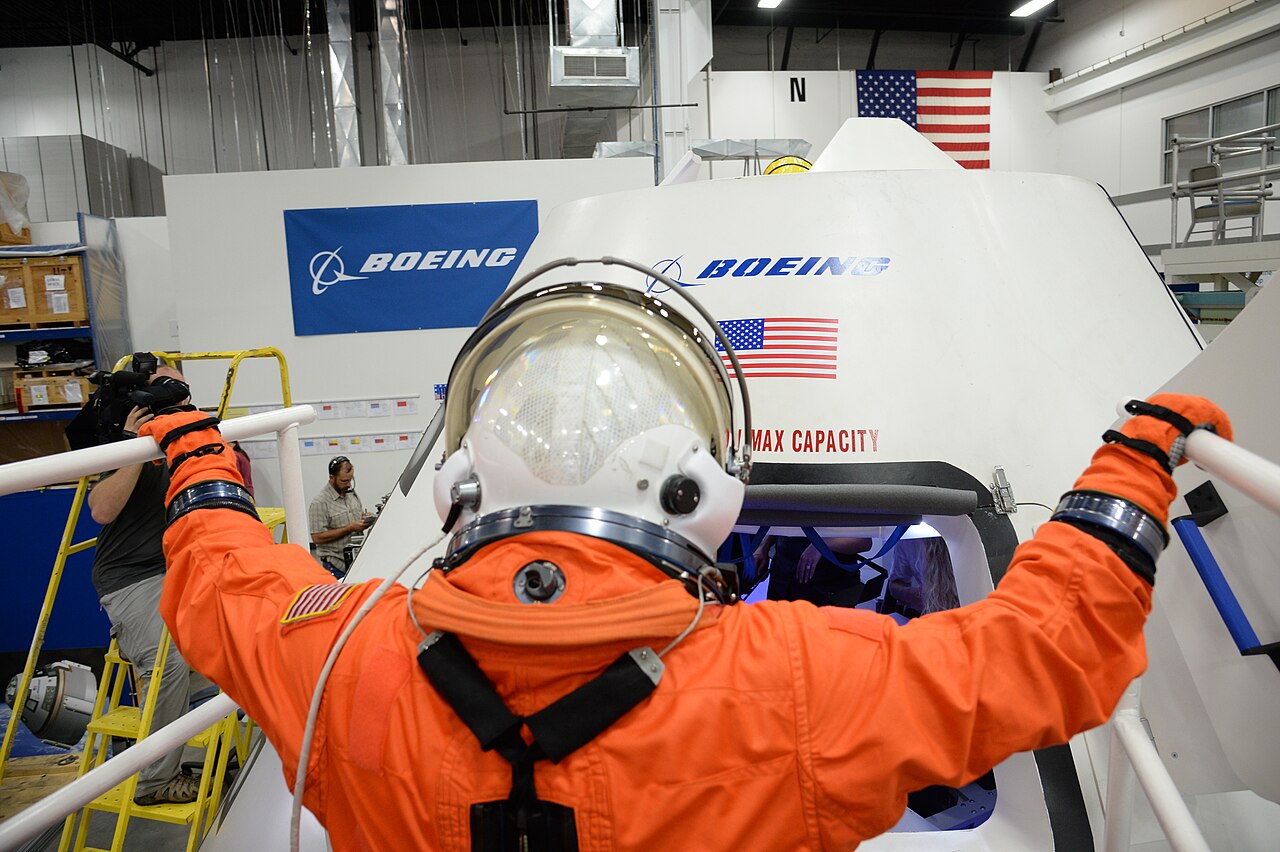
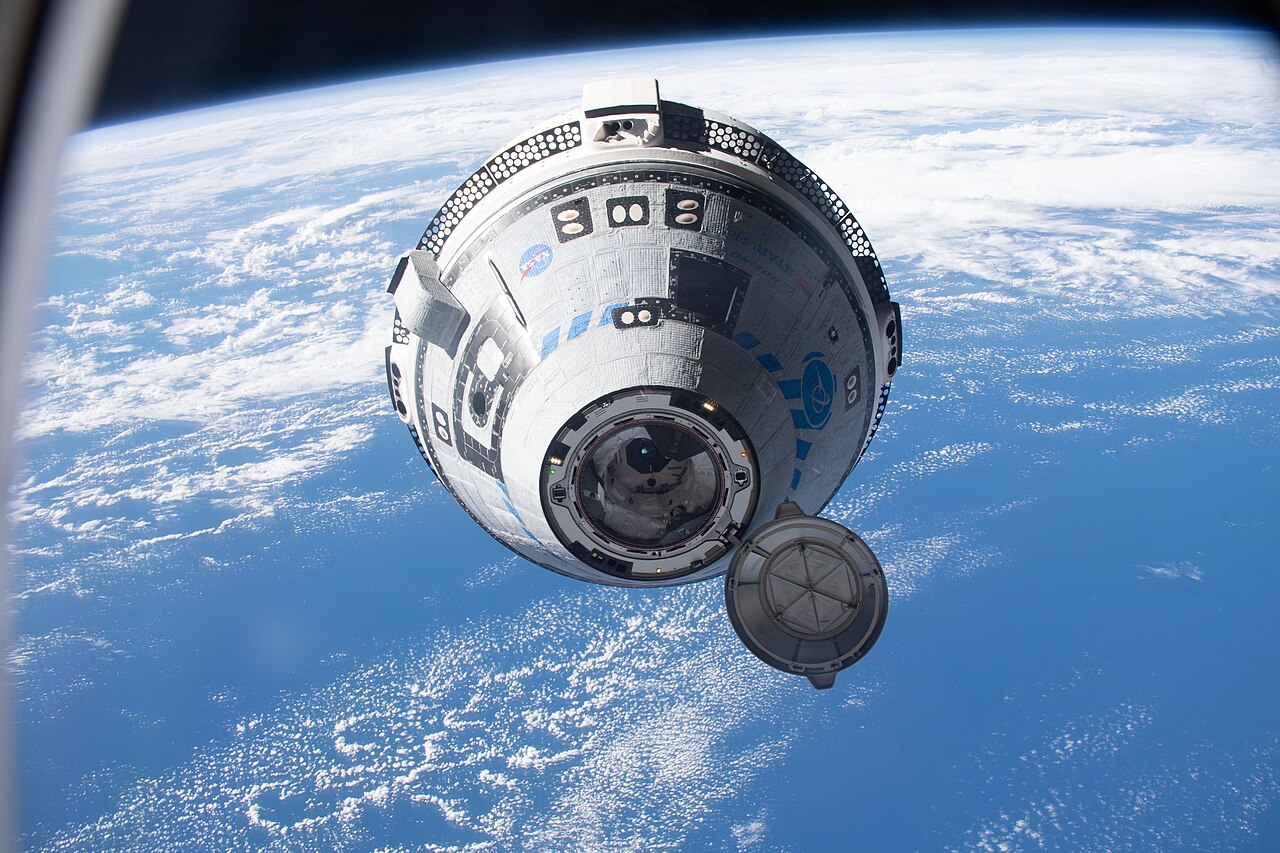
NASA and Boeing have reset Starliner’s path back to carrying astronauts. NASA now says Starliner-1 will fly to the International Space Station without a crew as an engineering evaluation mission, with a potential launch in December 2026 or January 2027, while the next crewed flight, Starliner-2, is planned by 2028.
The gap is meant to give engineers real flight data before NASA certifies redesigned hardware. The agency says Starliner-1 will evaluate thermal changes and propulsion performance, while additional thruster-valve work, new crew-module thrusters, batteries and smaller parachute changes remain part of the certification path.
The next Starliner flight is a test, not a crew rotation
Starliner-1 is intended to return the spacecraft to orbit without astronauts and gather the data NASA says it still needs for certification. The agency describes the mission as an engineering evaluation flight to the station; the current window is December 2026 or January 2027 rather than a fixed launch date.
That makes the 2028 crew date a plan, not a guarantee. NASA says the Starliner-1 results will feed remaining corrective actions, testing and certification before Starliner-2 carries astronauts.
Propulsion and thermal changes remain the core engineering work
NASA says Boeing has made thermal modifications to Starliner’s service module for Starliner-1. Reuters also reported that Boeing implemented fixes after identifying the cause of helium leaks seen during the 2024 crew flight test.
The agency says a further thruster-valve redesign will address poppet-seal extrusion and its effects on thruster performance. Boeing also plans new crew-module thrusters, batteries and minor parachute changes as the spacecraft moves toward certification.
NASA still wants a second U.S. crew transportation option
NASA has repeatedly said it wants more than one U.S. system able to carry astronauts to low Earth orbit. The new plan keeps Starliner in that role while giving the agency another uncrewed flight to measure risk before people fly again.
NASA also says it will work with Boeing and United Launch Alliance to certify the Vulcan rocket for Starliner after Atlas V’s final flight. For readers tracking launch dates, the useful takeaway is that Starliner-1 remains a potential late-2026 or early-2027 test and the crewed return remains conditional on what that mission shows.