Science/Climate · NEWS EXPLAINER
NASA–SpaceX Crew-13: Falcon 9 Static Fire Before Planned October 1 Launch
Falcon 9 and Dragon are vertical at SLC-40 after an integrated static fire and data review, while NASA still targets liftoff no earlier than 11:10 a.m. EDT on Oct. 1.
NASA says the Falcon 9 rocket and Dragon spacecraft assigned to Crew-13 have moved from processing to the launch pad at Space Launch Complex 40, where teams raised the stack vertical and completed an integrated static fire. Operations teams then began detailed data reviews, making the pad test the clearest new readiness milestone since the four crew members arrived at Kennedy Space Center on September 26.
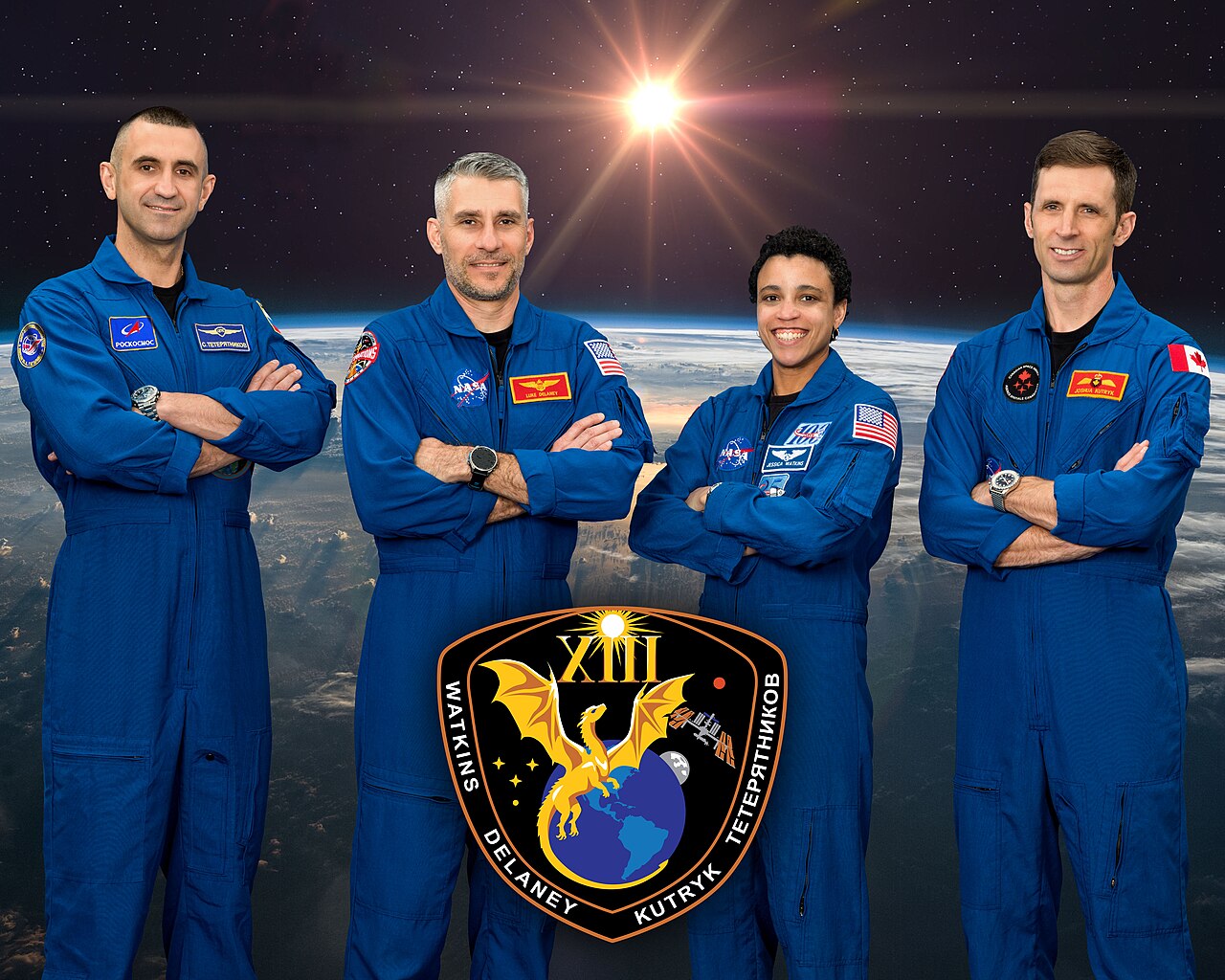
The mission is still targeted to launch no earlier than 11:10 a.m. EDT on Thursday, October 1, for the International Space Station. That target is not a guarantee: the remaining data reviews, final launch preparations and conditions at the pad can still change the schedule. Jessica Watkins will command Crew-13, with Luke Delaney as pilot and Joshua Kutryk and Sergey Teteryatnikov as mission specialists.
The update moves Crew-13 from arrival to pad readiness
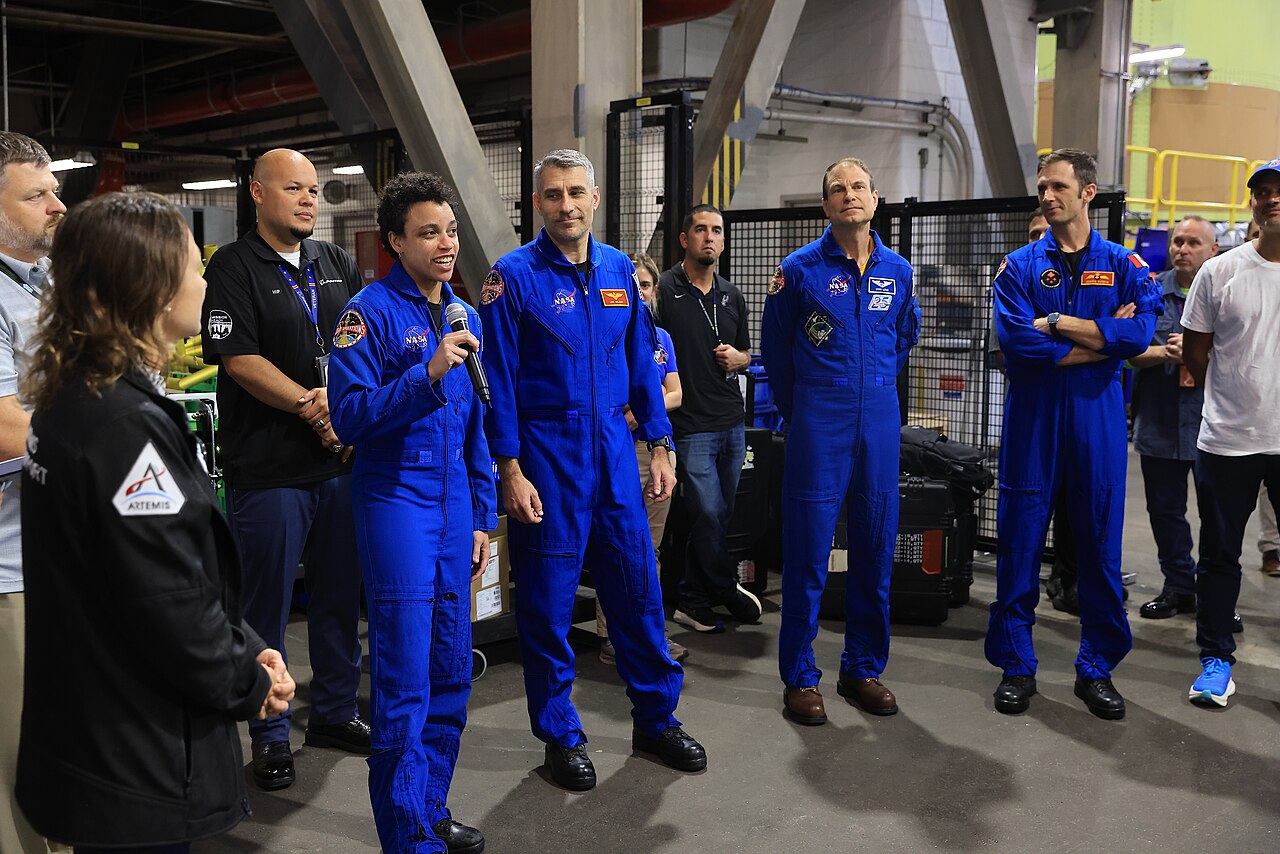
The September 26 arrival put Watkins, Delaney, Kutryk and Teteryatnikov at Kennedy for quarantine and final preflight work. NASA’s September 28 update advances the mission one step further: the launch vehicle and Dragon are now at SLC-40 in their launch configuration.
That distinction matters because rollout and vertical integration are hardware milestones, not another restatement of the launch date. The integrated static fire adds a propulsion-and-ground-systems test before flight, followed by the data reviews NASA says operations teams are carrying out.
A static fire is a checkpoint, not a launch guarantee
NASA did not describe the static fire as the final approval for liftoff. The agency says the firing was followed by detailed data reviews, so the useful takeaway is that the rocket completed another major prelaunch test while engineers still have results to assess.
Crewed launches can also move for technical, operational or weather reasons. That is why NASA continues to describe October 1 as a no-earlier-than target rather than a fixed promise, even with the rocket vertical at the pad.
What to watch before the October 1 window
The next meaningful signals are the outcome of final data reviews and any NASA or SpaceX schedule update. NASA’s mission page still lists 11:10 a.m. EDT on October 1, while independent launch trackers continue to carry the same 15:10 UTC window for Crew-13.
If the schedule holds, Watkins will make her second trip to space and become the first active NASA astronaut to launch aboard a SpaceX Dragon twice. Delaney, Kutryk and Teteryatnikov are preparing for their first spaceflights.