Technology · NEWS EXPLAINER
Meta opens Muse to DIY gadgets: what the ESP32 and Linux SDKs actually unlock
Meta’s new Apache-licensed device code lets builders connect Muse to ESP32 boards, Raspberry Pi systems and local hardware, while the Muse service, an SDK token and important Home Link limits remain in place.
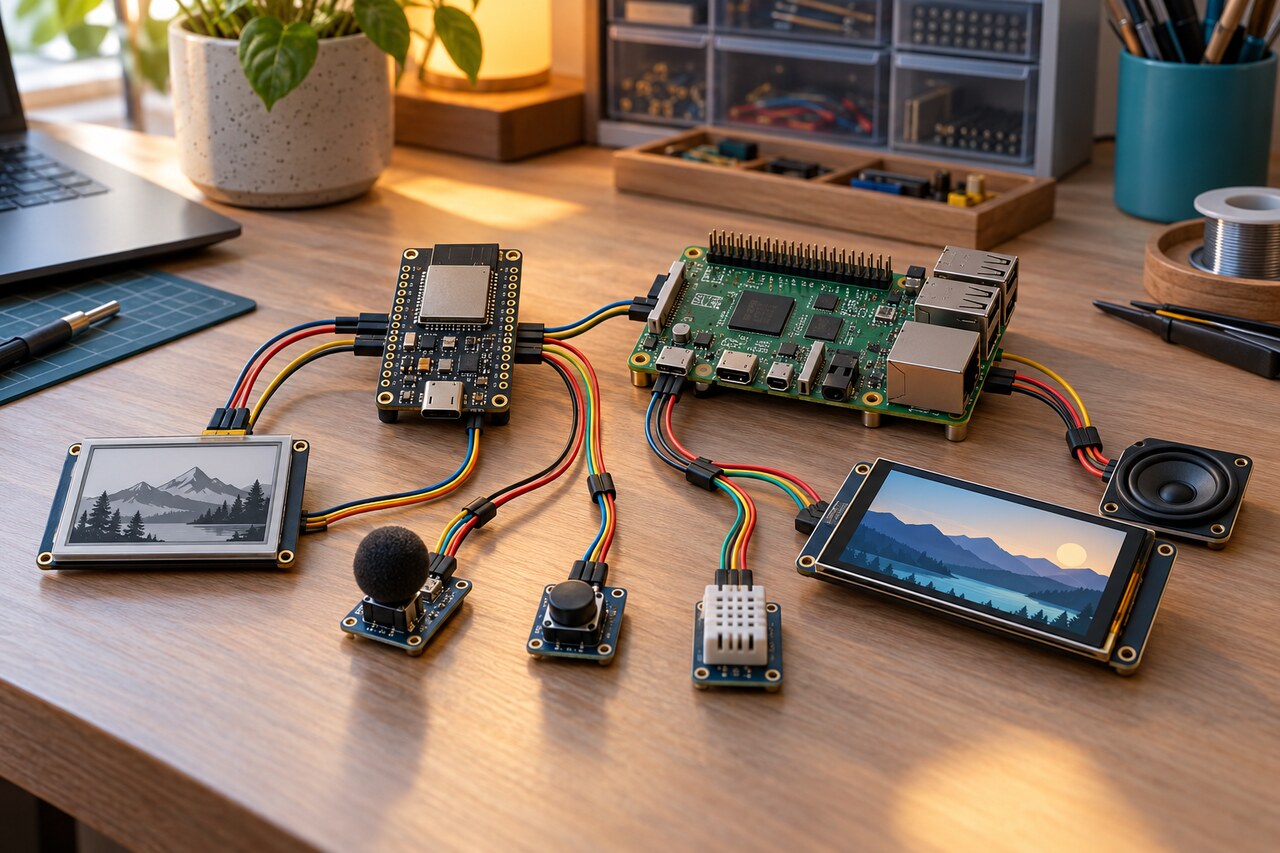
Meta has opened the device side of its Muse ecosystem to hobbyist hardware. The company’s new Muse Gadgets site provides open-source SDKs and firmware for ESP32 boards and Linux computers, including Raspberry Pi systems. Builders can attach displays, microphones, speakers, buttons, sensors and other components, then use an SDK token to connect the device to Muse.
That distinction matters: Meta says the device SDKs and firmware are open source under the Apache 2.0 license, but the launch does not make the Muse agent or its hosted service self-hosted. The official setup still starts with obtaining an SDK token. In practical terms, the new release opens the hardware integration layer; it does not promise an offline Muse, model weights or a local replacement for the Muse service.
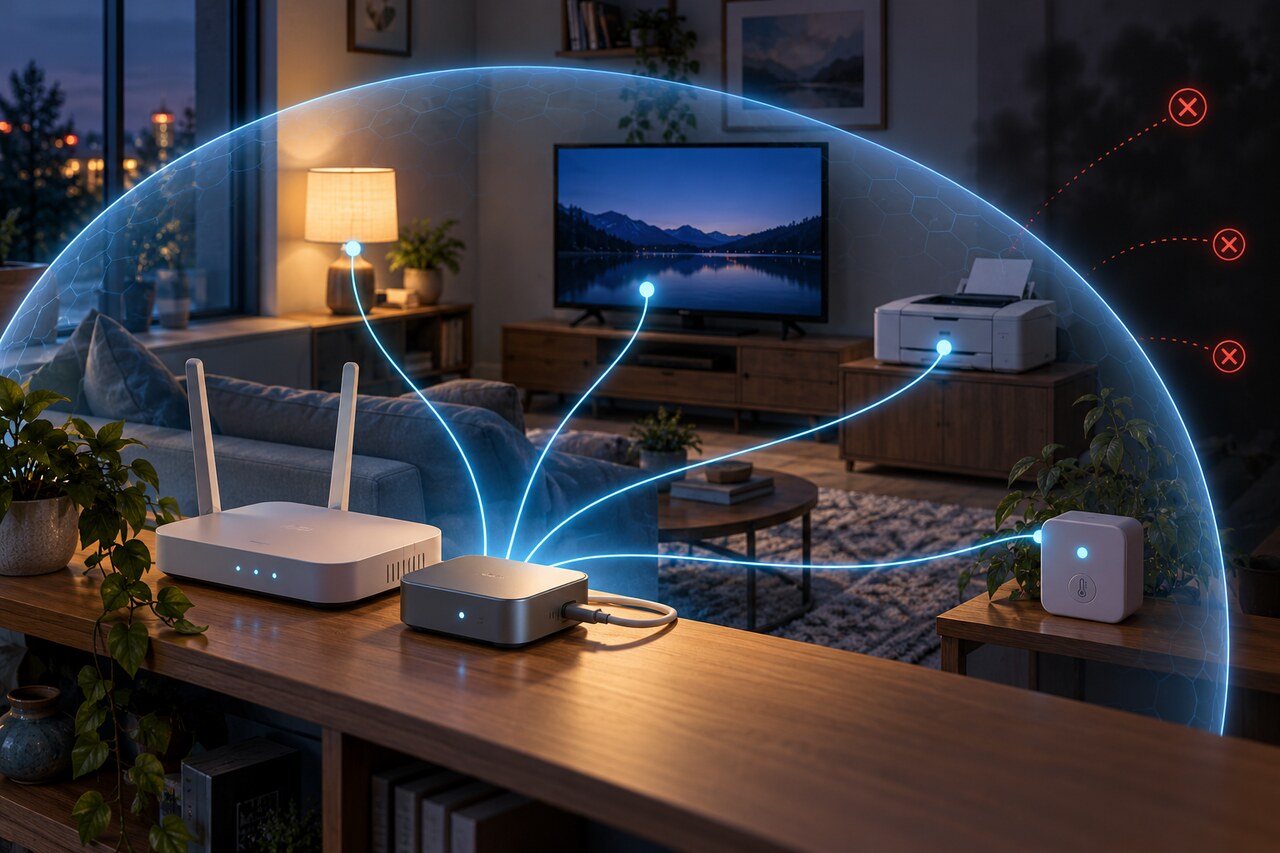
Meta also introduced Muse Home Link, a USB-C-powered device designed to connect Muse to a home network. The company says it can reach compatible devices or user-built products that expose a local HTTP API. A first batch of 5,000 units is being offered to eligible Muse subscribers, according to Meta executive Nat Friedman and reports from Engadget and The Verge.
What Meta released
The official Muse Gadgets page lists two main routes.
The ESP32 Device SDK targets inexpensive microcontroller boards. Meta’s examples include small touchscreens, e-ink displays, microphones, speakers and buttons. The Linux Device SDK is intended for Raspberry Pi hardware or another Linux computer and can be extended with custom commands, including integrations with Home Assistant or system-administration tools.
Meta describes both the SDKs and device firmware as Apache 2.0 licensed and provided as-is without warranty. That gives developers permission to inspect, modify and redistribute the covered code under the license, but it does not make every part of the Muse product open source.
The official page also warns that projects can brick boards, void warranties or run into power problems. Several example devices are sold by third parties, and Meta expressly says it does not endorse or warrant those products. Buyers should verify board compatibility, power requirements and peripheral support rather than assuming every ESP32 or Linux device will work from the examples alone.
What builders still need
The first official step is to obtain an SDK token. The launch materials do not describe the device SDK as a standalone agent, and they do not say that builders can run Muse without Meta’s service. A token should therefore be treated as a credential: do not publish it in a repository, firmware image, screenshot or support post.
Hardware requirements depend on the project. ESP32 builds may need a compatible board plus separately wired display, audio or sensor components. Linux projects need a supported computer and whatever peripherals the chosen use case requires. Meta’s project gallery provides examples, not a guarantee that any particular combination has been tested.
The public launch page does not give enough detail to promise latency, offline behavior, long-term API availability or support for every Home Assistant installation. Those points should be checked against the SDK documentation before buying hardware or exposing household controls.
What Muse Home Link does
Muse Home Link is the ready-made option. Meta says it connects Muse to a home Wi-Fi network so community-built skills can reach compatible devices, including lights, televisions and printers, or user-built equipment with a local HTTP API. Engadget reported that Friedman described the device as USB-C powered and able to talk to TVs, speakers and other HTTPS-capable endpoints on the network.
Access is limited. The official claim page says Home Link is free only for active Muse subscribers in the United States, with a limit of one per subscriber. Units are first come, first served and are expected to ship in October. Claiming a place holds a position in line; it is not an order, and Meta says it will notify subscribers when a unit is ready to ship.
The 5,000-unit figure comes from Friedman’s announcement and was independently reported by Engadget and The Verge. Meta’s public claim page does not display live inventory, so an available claim form should not be read as proof that a device is reserved or ready to ship.
The security boundary is the home network
Home Link’s usefulness comes from access to local devices, which is also the part that deserves the most care. A local HTTP endpoint can control real hardware. Before connecting a skill, users should identify exactly which device and commands it exposes, restrict access to the smallest necessary set, and avoid placing sensitive admin interfaces behind a broad automation command.
The launch page does not publish enough network-security detail to claim that every Home Link connection is encrypted, isolated or authenticated in a particular way. It says the device can reach local HTTP APIs; Engadget separately quotes Friedman mentioning HTTPS-capable endpoints. Until Meta documents the exact transport, credential storage and permission model, users should not assume that one statement covers every integration.
A sensible first project is low-risk and reversible: a read-only status screen, reminder display or noncritical light. Door locks, alarms, cameras, printers holding sensitive documents and system-administration commands deserve stronger review, separate credentials and a clear manual fallback. This article has not tested the SDKs or Home Link hardware.
The HDMI stick is not available yet
Meta’s gallery shows several project ideas, including a Muse display for a television. The HDMI-stick entry is marked “Coming soon.” It should not be described as a shipping product or as part of the Home Link offer.
The broader release is real and immediately useful for developers who already have Muse access and compatible hardware: there is now an officially supported, modifiable device layer for ESP32 and Linux projects. For everyone else, the key limitation is simple. Open-source gadget code does not remove the need for Muse, an SDK token, compatible hardware or careful local-network permissions.