Business/Consumer · NEWS EXPLAINER
LNG Canada Approves Phase 2 to Double Kitimat Gas-Export Capacity
Shell and its partners approved two more liquefaction trains at Kitimat, taking planned capacity from 14 to about 28 million tonnes a year, with commercial operations targeted for the early 2030s.
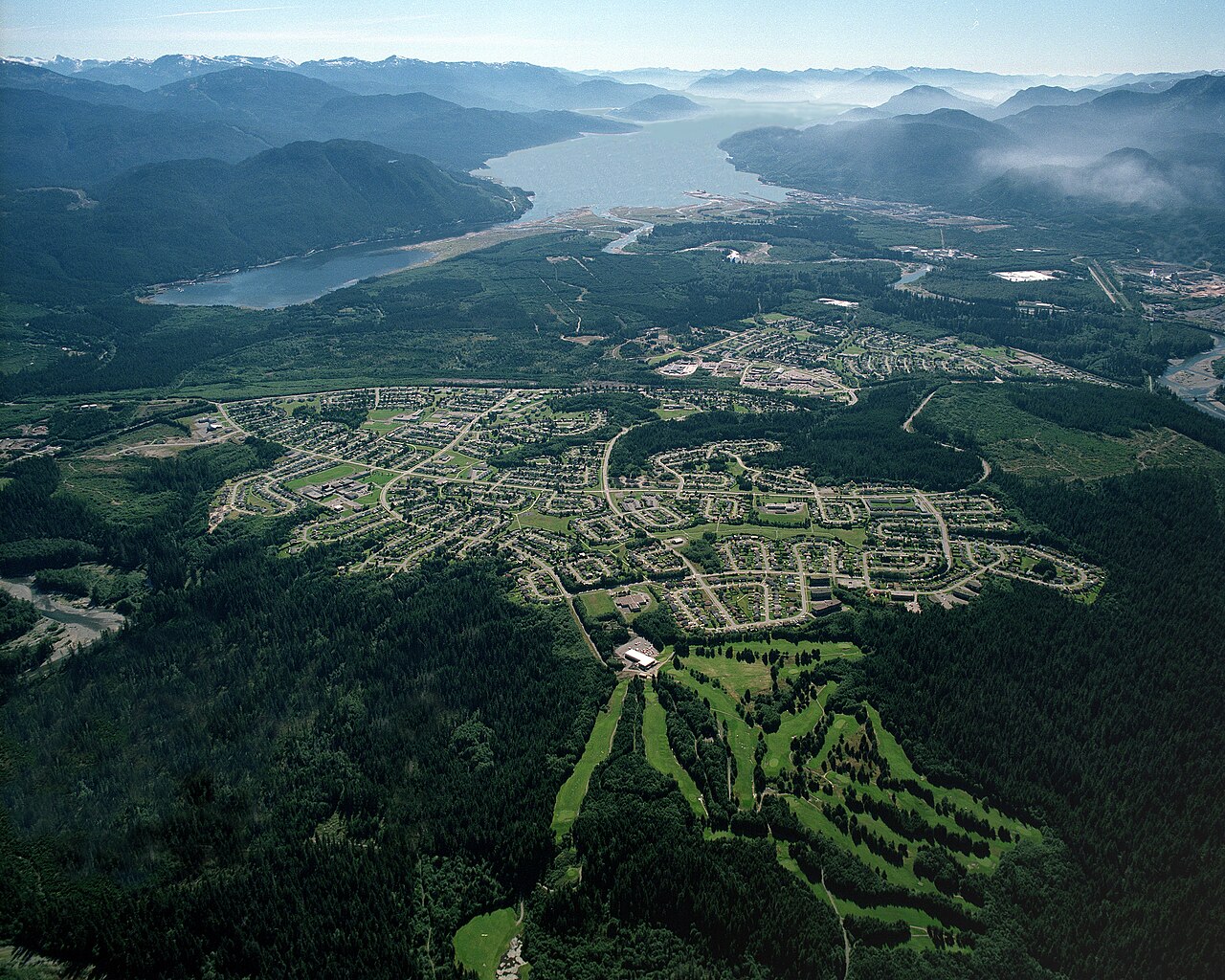
LNG Canada has moved Phase 2 from preparation into a final investment decision. Shell and the other joint-venture partners approved two additional liquefaction trains at the Kitimat, British Columbia site, a step the companies say would lift planned LNG production capacity from 14 million to about 28 million tonnes per year.
The decision does not mean the new capacity is operating yet. Shell says Phase 2 still requires construction and commissioning, and it targets commercial operations in the early 2030s. For readers tracking North American LNG supply, the important change is that a long-discussed expansion is now an approved investment rather than a pre-FID proposal.
What changed with the Phase 2 decision
The key change is the final investment decision. Reuters and Shell both reported on September 29 that the partners approved Phase 2, moving the expansion beyond earlier funding, permitting and cooperation steps.
That distinction matters because earlier reporting could describe the expansion as expected or under preparation. After the FID, the project has an approved investment decision, although the new trains still have to be built and commissioned.
What the expansion adds — and who owns it
Shell says Phase 2 will add two liquefaction trains, storage and condensate tanks, another loading berth and supporting utility and process systems. Coastal GasLink would also add five compressor stations to support the larger LNG facility.
The joint venture is led by Shell with a 40% interest. PETRONAS owns 25%, PetroChina and Mitsubishi each hold 15%, and KOGAS owns 5%. Reuters said the expansion takes the facility from 14 million to roughly 28 million tonnes of annual LNG capacity.
What still has to happen before more LNG is shipped
Approval is the start of the next construction phase, not the finish line. Shell's early-2030s commercial-operations target is a company expectation and depends on future execution; it should not be read as a guarantee that the added capacity is already available.
The existing first phase began production and exports in 2025, according to the Government of Canada's Major Projects Office. Phase 2 builds on that operating base, but readers should separate today's investment decision from the later construction, commissioning and ramp-up needed to reach the proposed 28-million-tonne scale.