Science · NEWS EXPLAINER
LINK Reenters Earth's Atmosphere. What Happens to NASA's Swift?
The rescue spacecraft is gone, but Swift is still observing. New mission updates explain why the telescope's science deadline and its eventual reentry are not the same event.
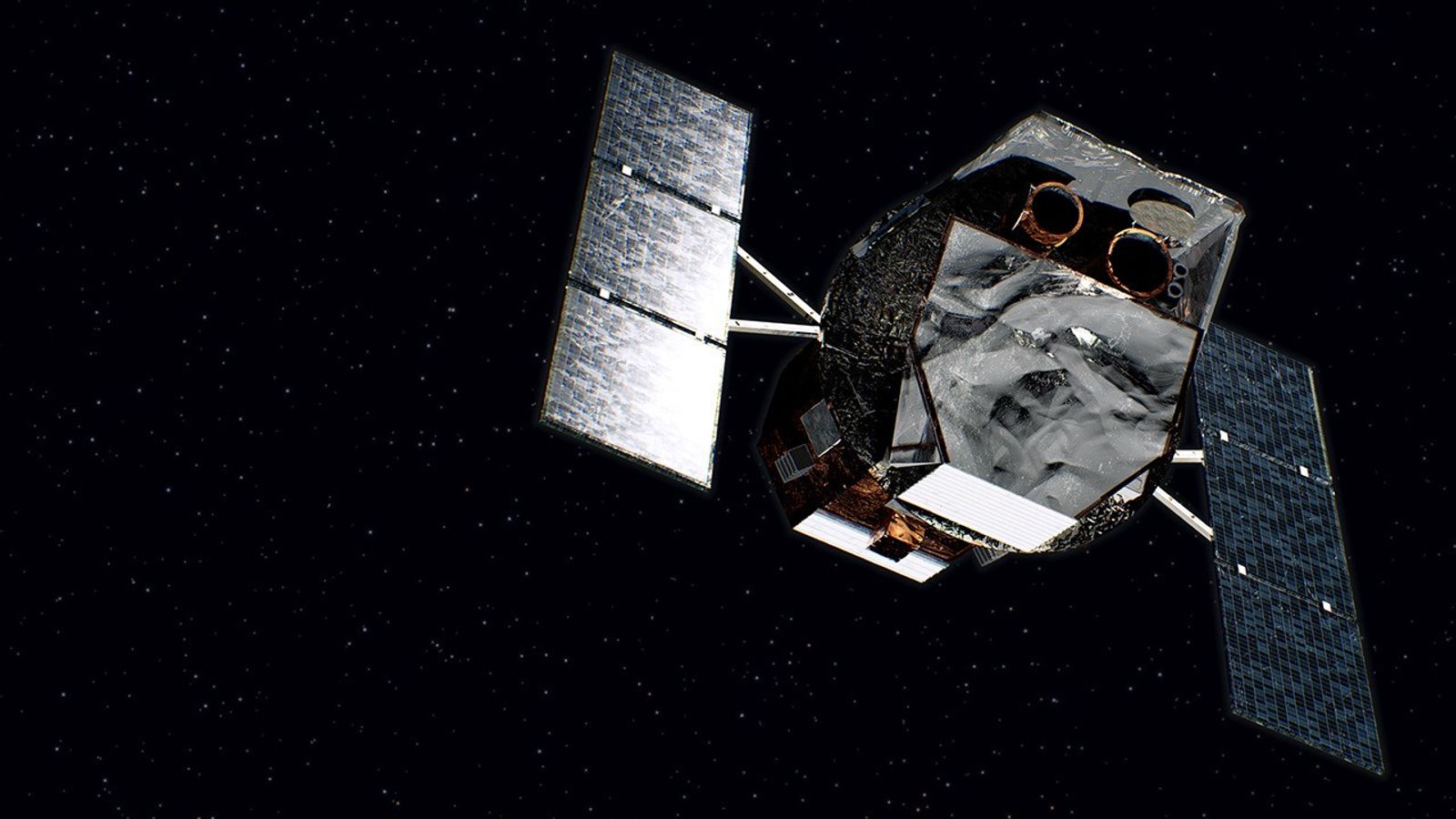
The spacecraft sent to rescue NASA's Swift Observatory has returned to Earth. The telescope it was meant to save has not. Katalyst Space confirmed that LINK reentered the atmosphere on September 25, ending the attempt to lift Swift into a longer-lasting orbit. The Associated Press independently reported the reentry that morning.
For anyone seeing a headline about a failed telescope rescue, that distinction matters. LINK's flight is over; Swift's remaining observing time is a separate question. A September 25 mission update describes an observatory still collecting science, but operating against a shrinking orbital deadline.
Why the rescue ended before the telescope did
LINK was launched on July 3 with a demanding assignment: approach Swift, grip it with robotic arms and gradually increase its altitude. Swift was never designed for servicing, so the vehicle had no standard docking interface to make that encounter straightforward.
Katalyst's final account describes electrical trouble that disabled two reaction wheels, a loss of orientation control and a recovery that consumed too much propellant. Stabilizing a spacecraft is not the same as leaving it enough fuel to capture another one safely. The boost was abandoned in August, not suddenly cancelled on the day of reentry.
That timeline makes Friday's news more specific than another report that the rescue had failed: it marks the end of LINK's remaining flight. The company says it operated the vehicle for 85 days.
What Swift can still do
The September 25 Swift update reports that the Burst Alert Telescope is operating again and that automatic repointing has resumed. The instrument was confirmed calibrated and detecting gamma rays on September 18; automatic pointing resumed on September 21. Those are the operational dates, rather than changes that all happened on September 25.
That capability is the reason Swift's final observations matter. When a gamma-ray flash appears, the observatory can interrupt its planned schedule and turn its ultraviolet/optical and X-ray telescopes toward the event. It acts as an early observer of brief cosmic activity that other facilities can then follow.
The return to science does not repair the orbit. Swift still lacks a way to raise itself, and operating normally means giving up some of the drag-reducing measures used while the rescue was being prepared.
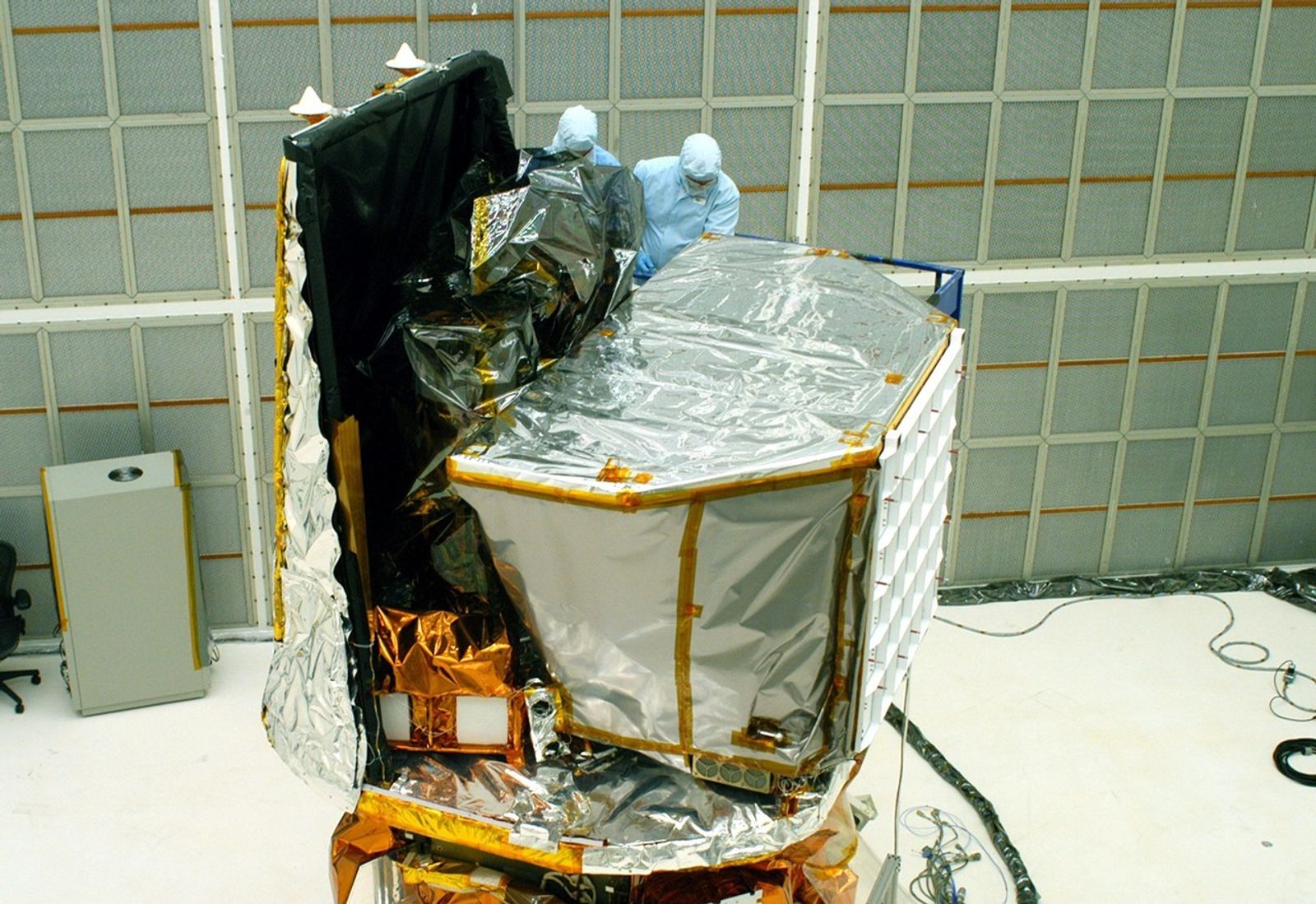
October is an observing threshold, not an impact appointment
The latest mission update places Swift roughly 325 kilometers above Earth. It estimates the observatory will fall to about 300 kilometers in early to mid-October, when operating the spacecraft becomes more difficult and science is likely to stop.
An earlier September 25 AP report described eventual reentry as expected in early November. These statements describe different milestones: the end of useful observing conditions and the later atmospheric return. Neither supplies an exact, guaranteed time or location for Swift's reentry.
Readers should therefore be wary of a headline turning an estimated observing deadline into a precise crash date. The useful next update is a revised mission forecast, not a countdown invented from an old estimate.
What the mission demonstrated—and what it did not
A September 4 mission report documented LINK approaching to within 12–15 kilometers of Swift, deploying its three arms and firing its electric thrusters together. That is evidence of individual maneuvers and hardware tests, not a successful capture or an orbital lift.
Katalyst describes the flight data as useful for its next spacecraft. That is the operator's assessment of the lessons learned; the intended rescue itself did not happen. For now, the immediate scientific story is Swift's remaining observations, while the engineering story is whether those lessons improve a later servicing mission.