Technology · NEWS EXPLAINER
Home Assistant Cloud becomes Link on December 2: what changes—and what does not
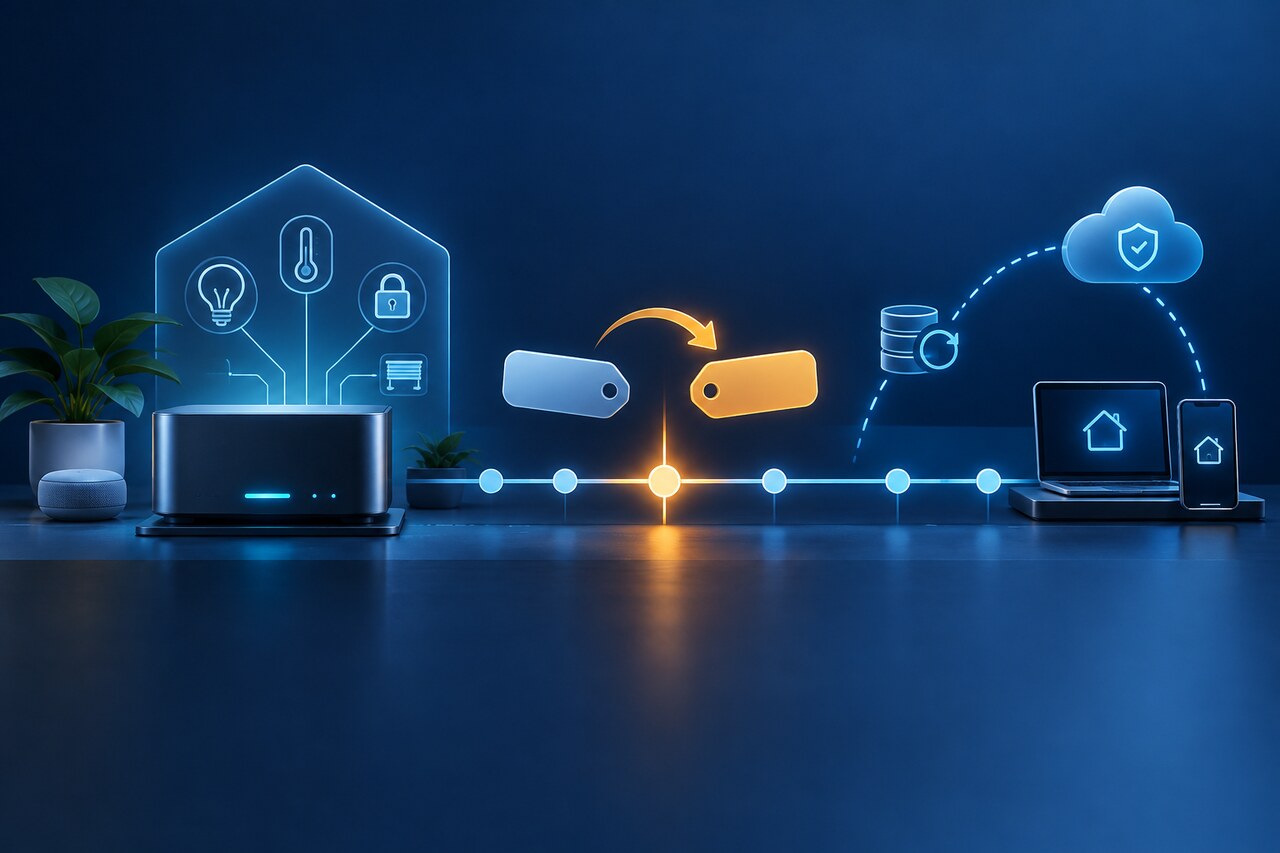
Home Assistant Cloud is becoming Home Assistant Link in the 2026.12 release. Existing subscribers do not need to migrate, and local automations are not being moved into the cloud.
Home Assistant Cloud is becoming Home Assistant Link with Home Assistant 2026.12 on December 2, 2026. Existing subscribers do not need to migrate, create a new account, reinstall Home Assistant or reconnect devices solely because of the rename.
The local smart-home core remains on the user’s own hardware. Link is still the optional subscription layer for managed remote access, selected online speech services, encrypted cloud backup, voice-assistant connections and subscriber support.
The announcement does not introduce a new price or independently prove every privacy or reliability claim. It also does not ship all of the future hardware, add-on, AI and device-database ideas discussed around the announcement.
The short answer: the name changes in December, not the service on October 2
Home Assistant Cloud is becoming Home Assistant Link, but the change is not an immediate migration that subscribers must perform. Nabu Casa announced the new name on October 2, 2026, and says it will appear with Home Assistant 2026.12 on December 2. Until that release, users may continue to see the Home Assistant Cloud name in the product and account pages.
For an existing subscriber, the practical answer is simple: take no action solely because of the rename. The official announcement says there should be no disruption, and it does not instruct customers to create a new account, reinstall Home Assistant, restore a backup, or reconnect devices. Billing remains attached to the same optional subscription rather than moving to a separate service.
The Verge described the change as mostly symbolic, alongside ongoing work intended to improve the service's speed and reliability. That distinction matters: the October announcement explains a new identity and direction, while the December software release is the stated point when the new name rolls out.
Home Assistant stays local; Link is the optional connection layer
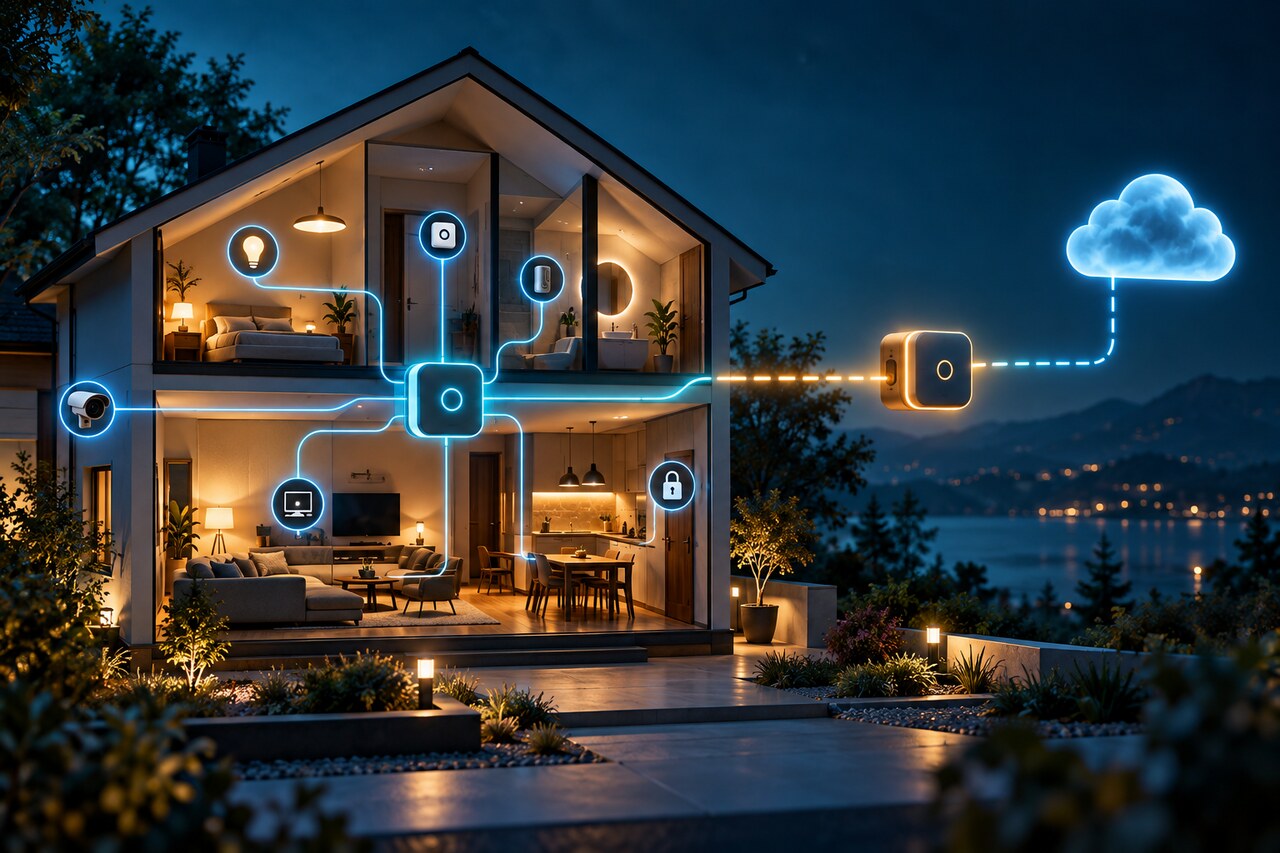
The rename does not turn a local Home Assistant installation into a cloud-hosted smart home. Home Assistant still runs on the user's own hardware, where compatible lights, sensors, dashboards, and automations can continue to operate locally. Home Assistant Link is the optional service layered around that installation, not a replacement for it.
Link keeps the conveniences currently associated with Home Assistant Cloud: managed remote access, simpler connections to Alexa and Google Assistant, online speech services, encrypted cloud backup, and subscriber support. Some of those features depend on an internet connection by definition. The local-versus-online boundary therefore varies by feature, not by the new brand name.
If a subscriber later cancels Link, the local Home Assistant instance should not stop running merely because the subscription ends. Local automations and device control should continue when their own integrations do not depend on outside servers. Remote access and other online extras, however, would need a self-configured alternative or would no longer be available.
What existing subscribers should—and should not—do
Existing subscribers should allow the normal Home Assistant update process to deliver the new name when 2026.12 becomes available. There is no reason to remove the current integration, change a remote-access URL, rotate credentials, or rebuild voice-assistant links in anticipation of the rename unless Home Assistant later publishes a specific migration notice for an individual feature.
Users who manage someone else's home, a rental property, or a remote installation may want to note the December 2 date so the new Link label is not mistaken for an unfamiliar add-on. The account and product names may change before every help article, screenshot, or third-party guide catches up, so both names could appear during the transition.
The announcement also does not say the price is changing. The Verge reported the current U.S. price as $6.50 a month or $65 a year. Because prices, taxes, and regional availability can vary, subscribers should treat their own account page as the source for the amount they are charged rather than infer a new rate from the new name.
Privacy claims remain claims to evaluate, not proof created by the rename
Nabu Casa presents Link as a privacy-respecting alternative to the advertising-driven cloud services associated with major technology companies. Its announcement says customer data is encrypted and, for encrypted backups, that only the user has the key. The Verge likewise reported Nabu Casa's position that it cannot access user data.
Those statements explain the provider's design goal, but a rename is not an independent security audit. Users should not read the Link brand as fresh proof of every property of the remote-access tunnel, backup system, account service, or third-party voice connection. Each component has its own data path and may involve outside providers.
The most reliable privacy decision starts with the same four-layer model as before: the local Home Assistant instance, the Link subscription, any internet-dependent integration, and any alternative remote-access setup the user maintains. The December change relabels one layer; it does not erase the boundaries between them.
What the announcement does not ship yet
Home Assistant founder Paulus Schoutsen used the announcement to place Link inside a broader local-first strategy. The Verge reported discussion of future work around hardware, community add-ons, artificial intelligence, and a device database. Those ideas provide context for the organization’s direction, but they are not all features delivered by the Link rename.
The same caution applies to backend improvements mentioned around the announcement. Faster or more reliable infrastructure may arrive incrementally, and an individual subscriber may not see an obvious change on December 2 beyond the new name and presentation. The published sources do not promise a single-day replacement of every backend component.
For now, the decision is uncomplicated. Keep using Home Assistant Cloud as normal, expect the Link name with the December 2 release, and do not perform a migration that the provider has not requested. Reassess only if a later release note identifies a concrete change to pricing, account access, a specific integration, or a feature that matters to the household.