Business/Technology · NEWS EXPLAINER
GM–LG Spring Hill Plant to Make LMR EV Batteries, Add 500 Jobs
Ultium Cells will retool its Tennessee factory for lithium-manganese-rich prismatic cells; GM says the chemistry targets 33% more energy density than LFP at comparable cost, with upgrades due to finish in 2028.
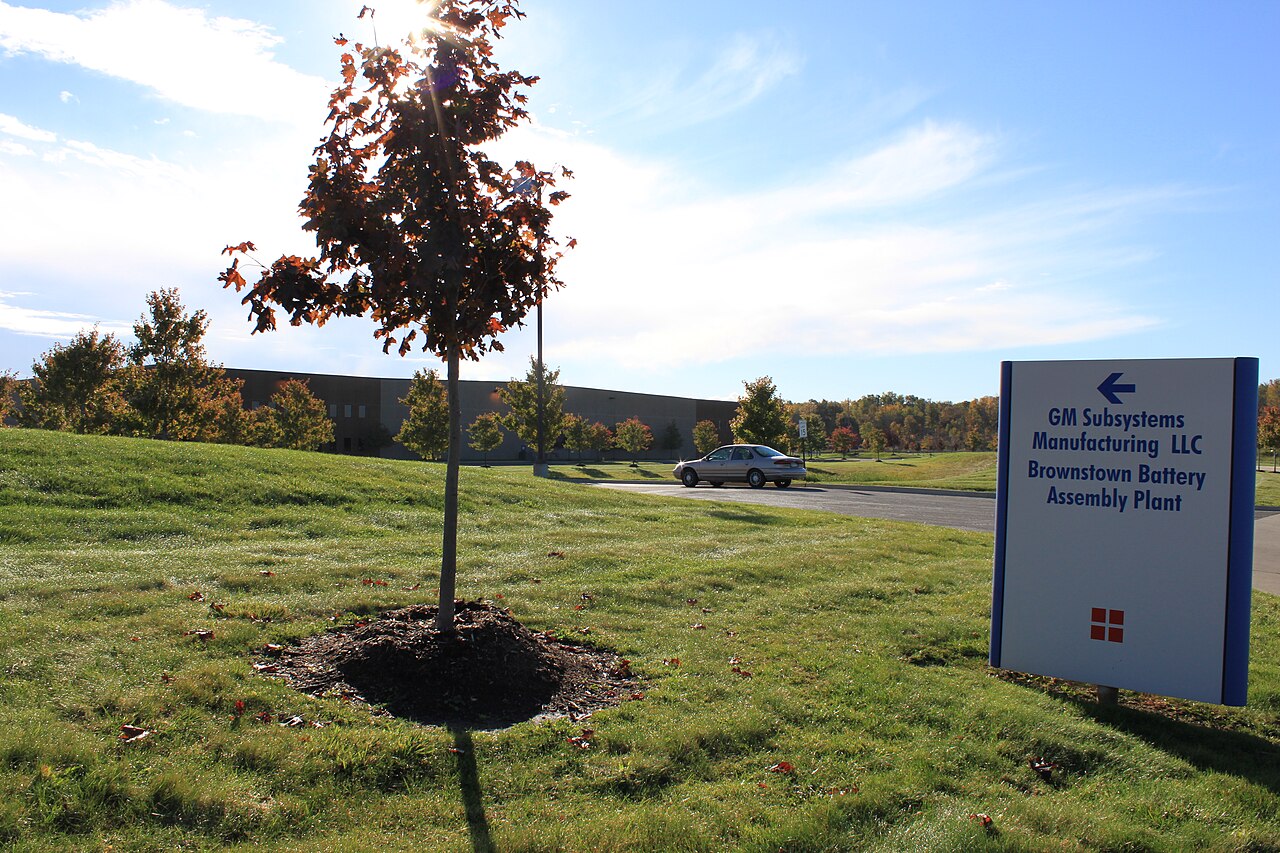
General Motors and LG Energy Solution’s Ultium Cells joint venture plans to retool its Spring Hill, Tennessee battery factory to make lithium-manganese-rich (LMR) prismatic cells for future GM electric vehicles. Facility upgrades are due to begin later in 2026 and finish in 2028; the companies have not announced a commercial production start date.
GM says the new chemistry is designed to deliver 33% higher energy density than lithium iron phosphate (LFP) at comparable cost. The project is expected to add about 500 jobs to a plant with roughly 1,200 workers, making the announcement both a battery-cost bet and a manufacturing expansion.
What is changing at Spring Hill
The Tennessee plant already makes Ultium battery cells. Under the September 29 plan, GM and LG will add prismatic LMR production capability as part of a factory designed to support multiple cell chemistries and form factors.
Construction and facility upgrades are scheduled to start later in 2026 and finish in 2028. Reuters reported that neither company disclosed when commercial LMR production will begin, so 2028 is an upgrade-completion target, not a confirmed first-cell date.
Why GM is pairing LMR with LFP and high-nickel cells
GM is positioning LMR between its lower-cost LFP plans and high-nickel batteries that remain its highest-range chemistry. The company says the LMR design is intended to deliver 33% higher energy density than LFP at comparable cost.
That chemistry mix matters because battery cost and energy density shape both vehicle price and usable range. The announcement does not name specific future GM models that will use Spring Hill LMR cells, so it is too early to assign the new chemistry to a particular Chevrolet, GMC or Cadillac.
The jobs plan is clearer than the production calendar
GM says the Spring Hill expansion is projected to create about 500 new jobs in addition to the plant’s current workforce of roughly 1,200 employees.
Those jobs are a projection, not a completed hiring count. The 33% energy-density figure is also a company design target rather than an independent production test from the upgraded Tennessee line, so both figures should be read as announced goals while the factory conversion proceeds.