Travel/Public Service · PRACTICAL GUIDE
Flying Without ID in the U.S.: TSA ConfirmID and Other Accepted IDs
For a U.S. domestic return flight, first check whether you still have another acceptable ID. If not, adults can use the optional $45 TSA ConfirmID process, but payment does not guarantee checkpoint clearance.
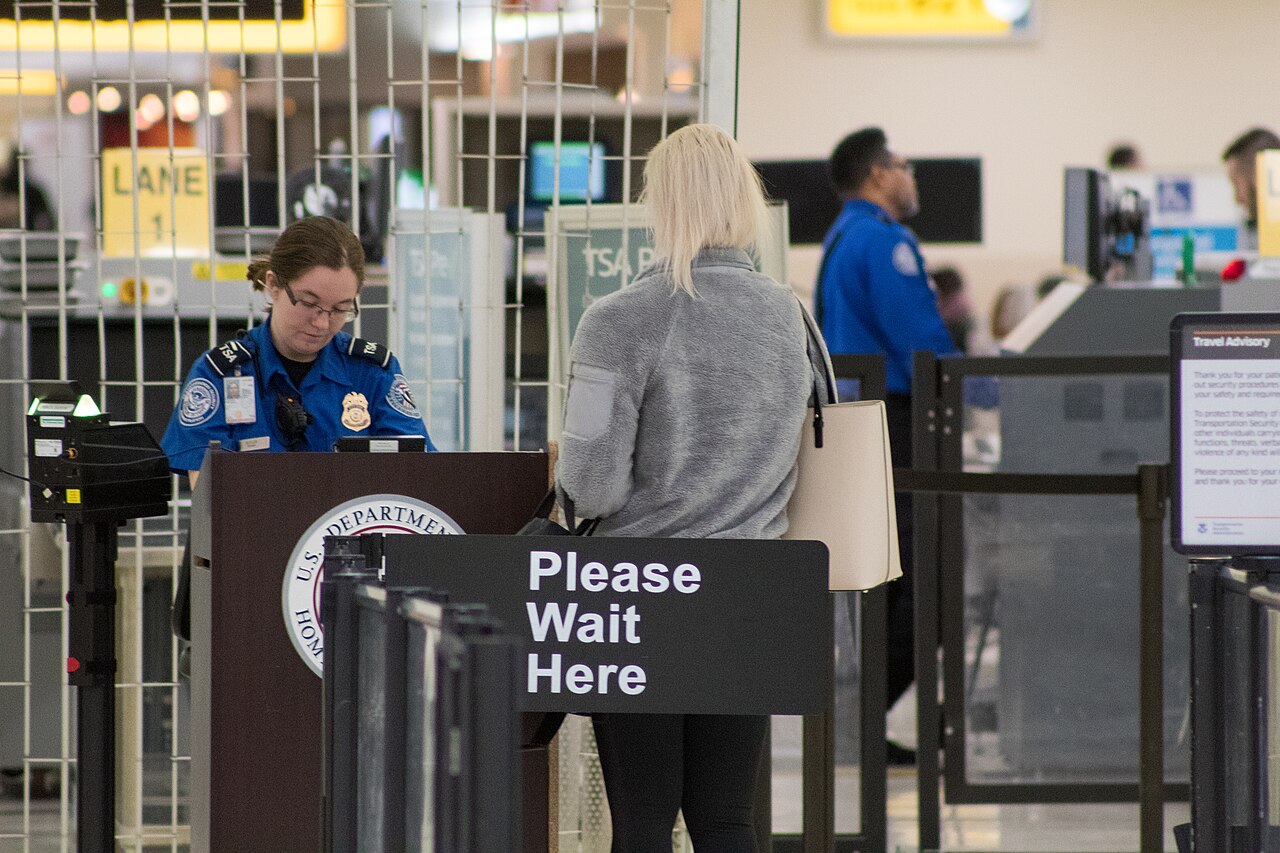
If you lose your wallet or acceptable identification during a U.S. trip, do not assume you must automatically miss the flight home. Start by checking whether you still have another TSA-acceptable document, such as a passport or passport card. Port of Seattle’s current guidance says TSA also accepts expired REAL ID-compliant identification for up to two years after expiration.
If you are 18 or older and have no acceptable ID, TSA ConfirmID is the current paid fallback. The federal Pay.gov form charges $45, is optional, and covers a 10-day period beginning on the travel start date you enter. Bring the emailed payment receipt to the checkpoint every time you travel without acceptable ID during that window. TSA will attempt to verify your identity, but clearance is not guaranteed.
Step 1: Check every acceptable ID you still have before paying
Losing a driver’s license does not necessarily mean you have no acceptable ID. Current airport guidance based on TSA requirements lists alternatives including a U.S. passport or passport card, enhanced driver’s license or ID, military ID, permanent resident card, foreign passport, certain federally recognized Tribal photo IDs, and other federal documents. A passport card can be used as ID for a U.S. domestic flight.
Also check the expiration date. Port of Seattle’s current TSA guidance says expired REAL ID-compliant identification can be accepted for up to two years after expiration. If you have one of these acceptable alternatives, use it instead of paying for ConfirmID. This is the simplest way to avoid an unnecessary fee after a wallet is lost.
Step 2: If you have no acceptable ID, use TSA ConfirmID before the checkpoint
For travelers 18 or older who have lost or do not have acceptable identification, the official Pay.gov TSA ConfirmID form charges $45. The program is optional. Enter the traveler’s legal name, a travel start date, and a valid payment method. Someone else may make the payment, but the traveler’s information must be entered correctly.
Pay before you reach the checkpoint when possible, and double-check the email address and travel start date. Pay.gov sends a receipt by email. Pay.gov and Port of Seattle instruct travelers to keep a printed or electronic copy and show it to a TSA officer to begin identity verification.
Step 3: Keep the receipt for every trip in the 10-day window
The ConfirmID payment is valid for 10 days starting on the travel date entered during payment. Pay.gov specifically instructs travelers to bring the receipt each time they travel without acceptable ID during that period. That can matter if you lose your wallet in the middle of a trip and the return airport falls within the same paid window.
Each adult traveler without acceptable ID must complete the process separately. If you fly without acceptable ID after the paid 10-day window expires, you must pay again; the length of your entire trip does not by itself trigger another fee. Save the receipt offline as well as in email so weak airport connectivity does not become another problem at the checkpoint.
Three return-flight cases: reuse the receipt, pay again, or use ID
You flew out with acceptable ID and lost it while away. Even on a two-week vacation, time already spent away does not automatically use up ConfirmID coverage: the paid window starts on the travel start date entered in Pay.gov. If you have never paid, there is no earlier ConfirmID receipt to reuse. Check for another acceptable ID first; otherwise arrange ConfirmID for the flight on which you need it.
You already paid for the outbound flight and still have no acceptable ID. Check the travel start date on that receipt against your return-flight date. If the return is within the paid 10-day window, bring the same receipt again; you still undergo identity verification. If the return is after that window expires and you still lack acceptable ID, a new payment is required.
You recover your acceptable ID or can use another accepted document before returning. Use that document at the checkpoint. An expired ConfirmID receipt does not itself create another fee when you can now present acceptable ID. This is why the document check comes before a second payment.
Step 4: Plan for identity verification and extra screening—not guaranteed entry
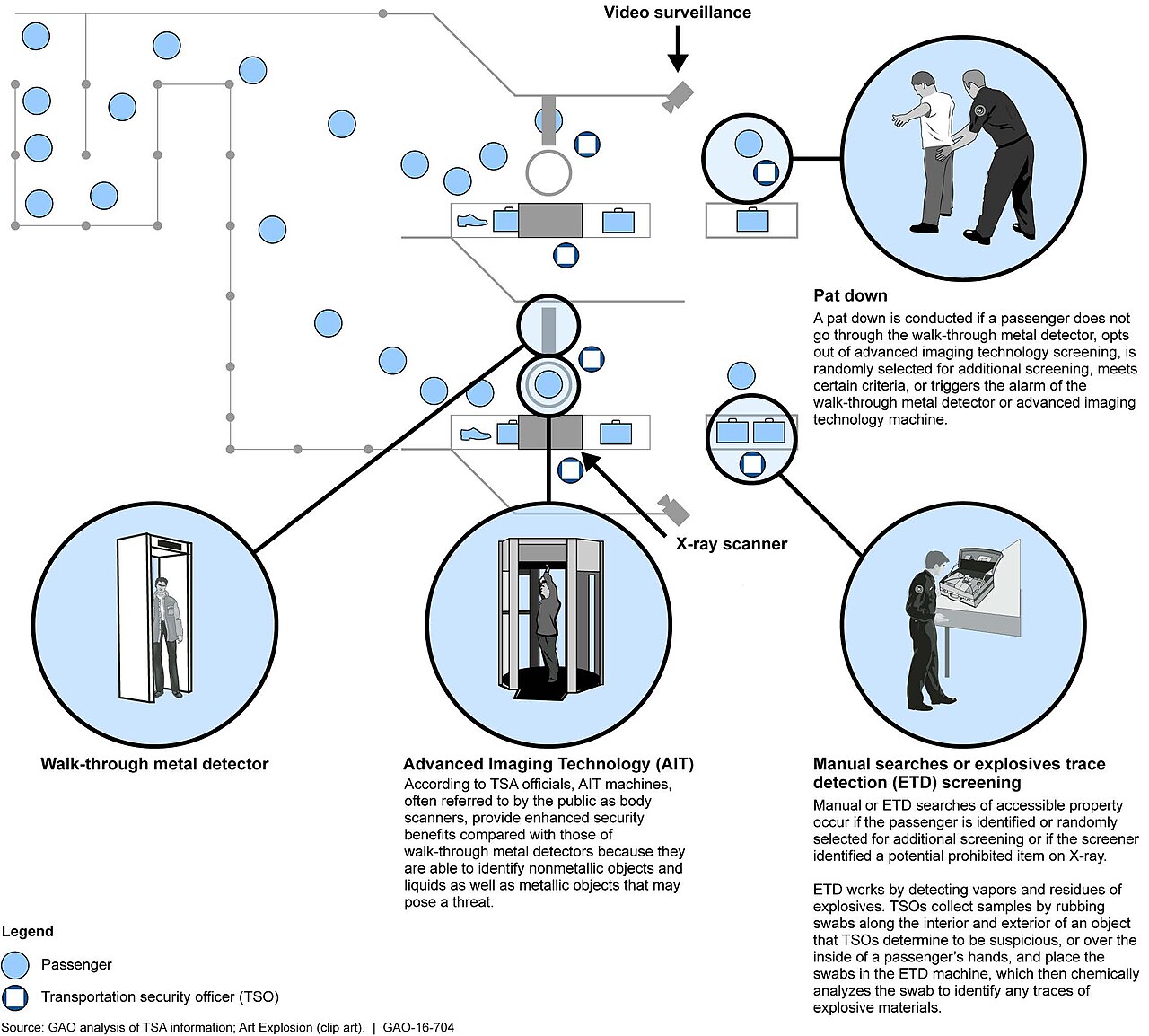
Showing a ConfirmID receipt does not by itself let you through security. TSA still attempts to verify identity, and the official Pay.gov page explicitly says there is no guarantee it can do so. Airport guidance also warns that travelers without acceptable ID may be directed to a separate area or receive additional screening. The fee is nonrefundable even if TSA cannot verify your identity or admit you to the secure area.
Give yourself more time than you normally would, keep your boarding information and ConfirmID receipt easy to reach, and follow the checkpoint officer’s instructions. If TSA cannot establish your identity or otherwise does not clear you, the fee does not guarantee boarding. Contact the airline about rebooking options rather than treating the payment as an approval.
Domestic return flight only: international travel has different document rules
This fallback is about TSA security screening for U.S. air travel. It does not replace the passport or entry documents required for an international trip. The U.S. Department of State says a passport book is valid for international air travel, while a U.S. passport card is not valid for international travel by air.
Children under 18 generally do not need identification for TSA screening on a U.S. domestic flight, although airlines can have their own rules for minors and Pay.gov notes a special acceptable-ID requirement for an unaccompanied child using TSA PreCheck. If a lost document is a passport needed for international travel, use the State Department’s lost-passport process rather than relying on ConfirmID.