Business/Aviation · NEWS EXPLAINER
Ethiopian Airlines agrees to buy 10 Boeing freighters, with options for 8 more
Ethiopian Airlines has signed an agreement to buy 10 Boeing cargo aircraft and says it holds options for eight more. The firm purchase and the options are separate: the extra eight are not part of the committed 10, and the final model mix should not be inferred beyond what the signed announcement confirms.
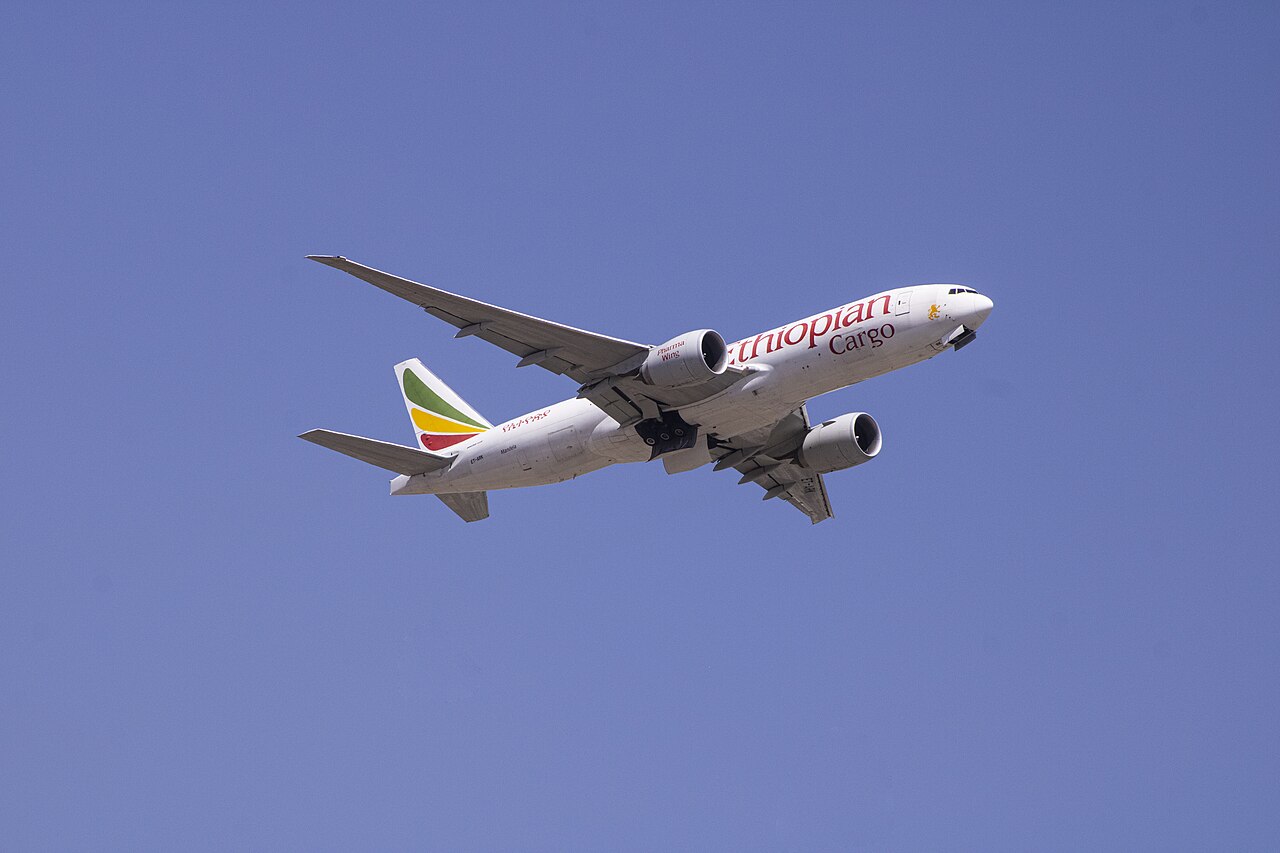
Ethiopian Airlines has signed an agreement with Boeing to buy 10 cargo aircraft, Reuters reported on September 30. Chief executive Mesfin Tasew said the state-owned carrier also has options to buy eight additional freighters.
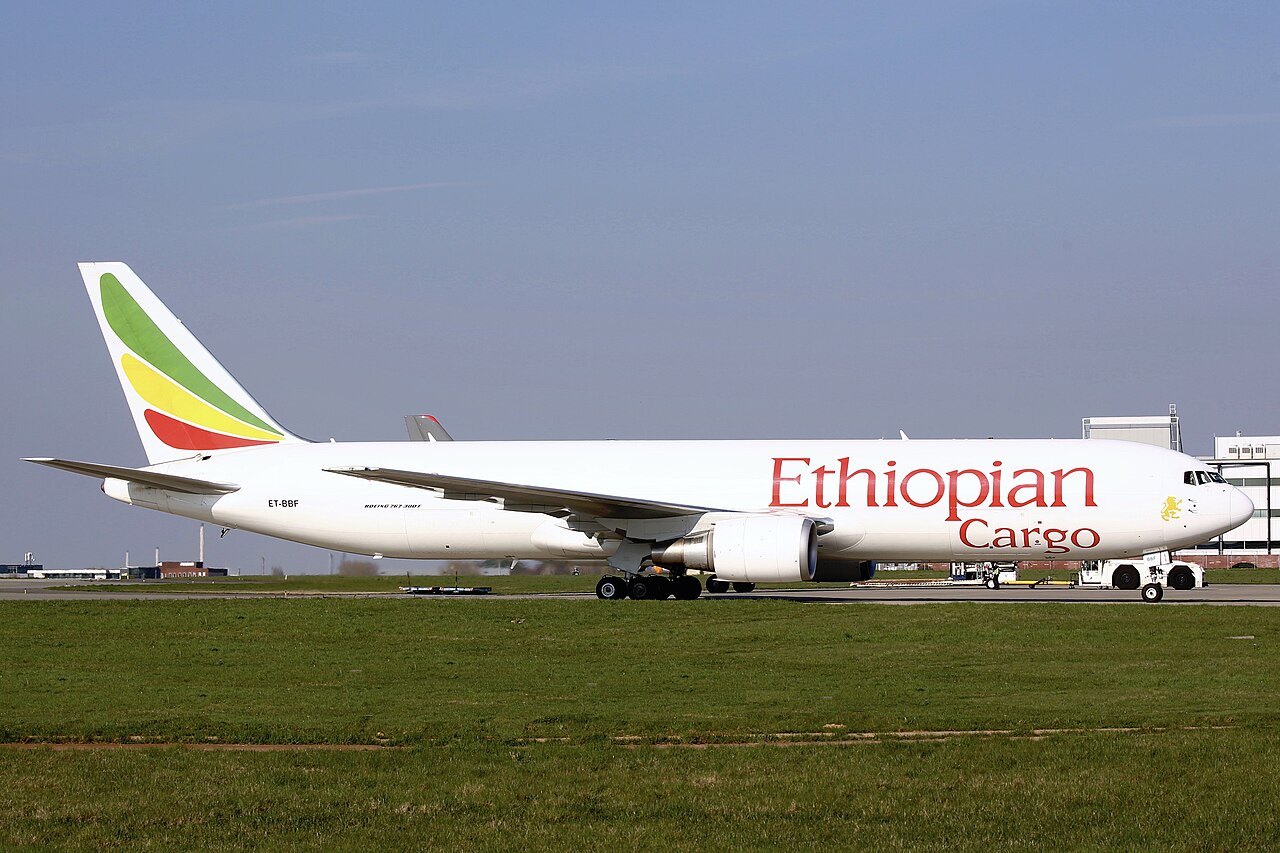
The distinction matters for the size of the deal. Ten aircraft are covered by the signed purchase agreement; the additional eight are options that Ethiopian may exercise later. Reuters’ September 2 report listed 12 Boeing 777F freighters, three 767 freighters and four converted 737s in Ethiopian’s cargo fleet.
Ten aircraft are firm; eight more are options
Reuters says Ethiopian signed for 10 Boeing cargo planes and that Tasew disclosed options for eight more. That creates a potential ceiling of 18 aircraft only if every option is later exercised; it does not turn the option quantity into a firm order today.
The current report does not justify treating all 10 committed aircraft as one single Boeing freighter model. Earlier industry reporting discussed a possible mix of current and next-generation 777 freighters, but the signed-event article is the controlling source for the confirmed quantity.
Ethiopian already operates a sizable cargo fleet
Reuters’ September 2 report listed 12 Boeing 777F freighters, three 767 freighters and four converted 737s in Ethiopian’s cargo fleet. The new agreement therefore expands an established freight operation rather than creating one from scratch.
The new agreement should not be added to that reported operating-fleet baseline as if all 10 aircraft were already delivered. Delivery and retirement timing remain unknown.
Cargo growth gives the order a larger network context
Reuters reported earlier in September that Ethiopian’s cargo volume rose 16% to 897,000 metric tons in the last fiscal year. The airline is also participating in the Bishoftu International Airport project, whose first phase is expected to open in 2030 and is intended to add major passenger and cargo capacity.
Those growth indicators help explain why additional freighters matter, but they do not establish when each newly ordered aircraft will arrive or how much incremental cargo volume the order will produce. Delivery timing and route deployment remain details to watch.
What to watch next
The next useful details are the final aircraft-model breakdown, delivery schedule and whether Ethiopian exercises any of the eight options. Those points determine how quickly the agreement translates into usable capacity.
For now, the confirmed development is narrower: Ethiopian has signed for 10 Boeing cargo aircraft and has the right, but not the obligation, to add eight more.