Technology/Science · NEWS EXPLAINER
ESA picks OVHcloud and CGI to build Digital EO satellite-data cloud
A 30-month ESA contract will combine storage, computing and AI resources for Europe’s Earth-observation data, with infrastructure across Italy, France and Germany and support from Poland.
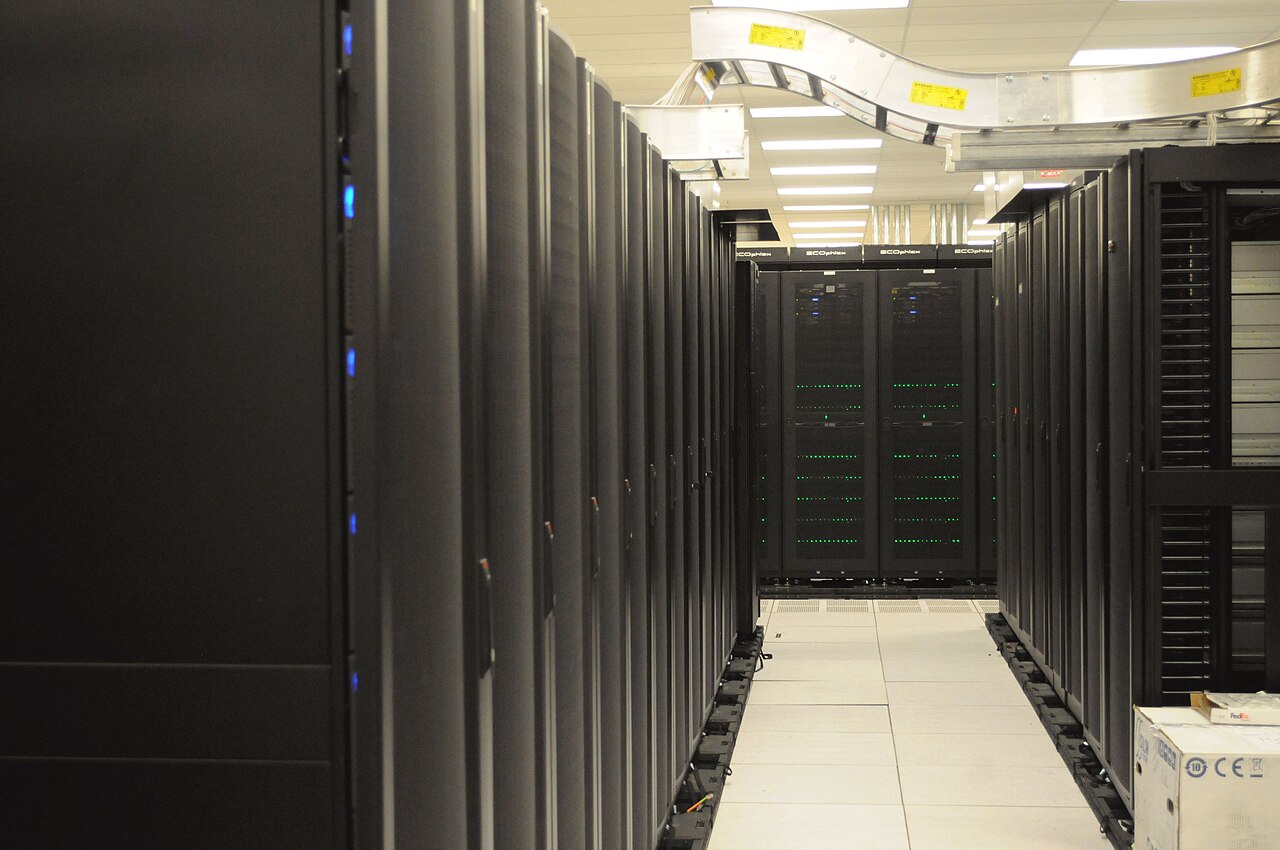
ESA has selected OVHcloud and CGI for a 30-month project to build Digital EO, a European infrastructure intended to connect storage, computing and AI resources for Earth-observation data. Reuters reports that Europe’s EO archive is expected to exceed 500 petabytes by 2035, making the contract as much about moving and processing data as storing it.
The companies divide the work: OVHcloud is providing sovereign cloud, storage, network and computing capacity, while CGI is the architect and integrator. The system is planned across Italy, France and Germany, with support from Poland, and is meant to serve programs including Copernicus and Destination Earth without turning the project into a single centralized data center.
A distributed backbone for a fast-growing satellite archive
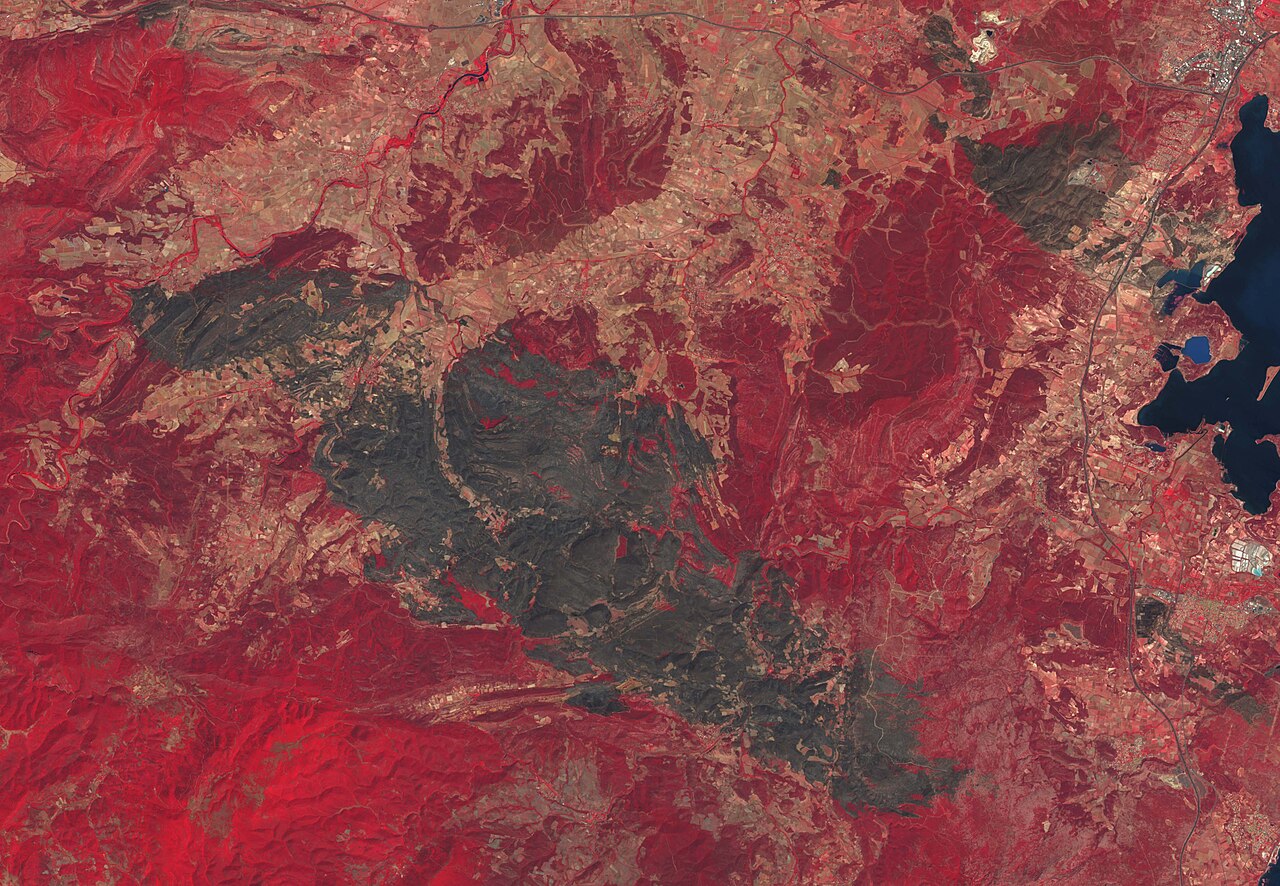
Earth-observation programs continuously add imagery and measurements used for climate, land, ocean and emergency analysis. Reuters says the European archive is expected to grow past 500 petabytes by 2035, so Digital EO is designed around both capacity and the ability to bring computing close to the data.
The companies describe the system as decentralized and scalable rather than one new monolithic cloud. That matters because existing European programs already operate across multiple services and locations, and the new layer is intended to federate those resources.
OVHcloud supplies the cloud layer; CGI integrates the system
OVHcloud says it will provide the cloud foundation, including storage, computing and networking. CGI’s role is to design and integrate the overall system so the separate components can operate as one Earth-observation information environment.
Reuters describes the agreement as a multi-million-euro contract based on the companies’ account, while noting that ESA did not disclose the value. The infrastructure is planned in Italy, France and Germany, with operational support from Poland.
Copernicus and Destination Earth are among the intended users
ESA’s quoted description says Digital EO is intended to support major European initiatives including Copernicus and Destination Earth, which depend on large Earth-observation datasets and substantial processing capacity.
The contract is an infrastructure step, not a claim that every European satellite dataset has already moved onto the platform. The next 30 months are the build-and-integration period; the practical test will be whether researchers and services can use the federated resources reliably as data volumes keep rising.