Science · NEWS EXPLAINER
Curiosity’s new Mars dawn panorama was captured in August—here is what it shows
NASA’s October release combines six August 11 images. The unusual color processing, a separate climbing milestone and an unresolved question about the distant cliffs need to be read separately.
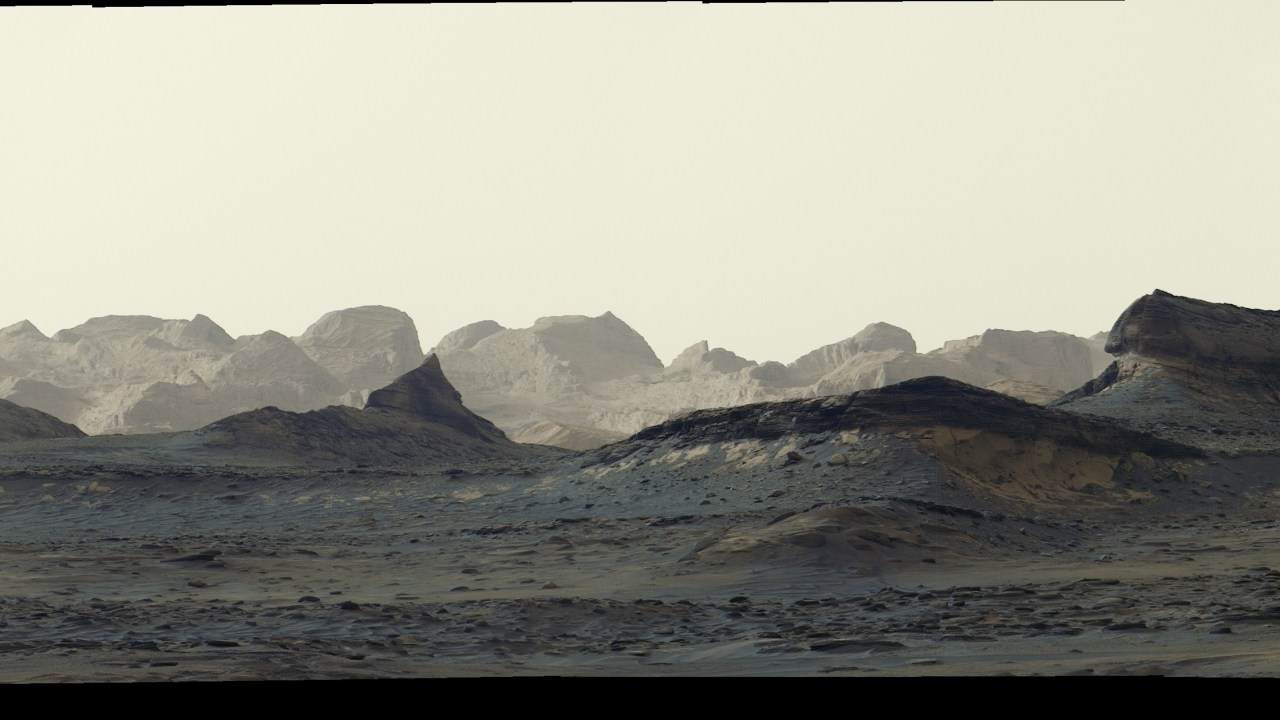
NASA has released a dawn panorama from Curiosity showing wind-carved cliffs on Mars. Published on October 6 and the subject of fresh Reuters reporting on October 7, the scene was photographed on August 11, 2026—not on either publication day. Its scientific interest is the distant terrain, not simply a new picture arriving on Earth.
A newly released picture, not a live view
NASA dates the six Mastcam frames to 8:30 a.m. local Mars time on August 11, the mission’s sol 4,982. They were transmitted to Earth and assembled into a panorama. A sol number identifies a Martian mission day; the local clock reading should not be presented as 8:30 a.m. in an Earth time zone.
Three descriptions therefore answer different questions: August 11 identifies the observation, October 6 identifies NASA’s release, and October 7 identifies the follow-up reporting. Calling the scene “today on Mars” would erase that distinction.
Why the colors look unusual
The team omitted the white-balancing step commonly used for Mastcam releases, retaining the early-morning appearance. That choice does not make this an untouched single exposure: the image is still a processed mosaic of six frames.
For readers comparing Mars pictures, the useful question is what processing the caption describes. An unfamiliar blue foreground is not, by itself, evidence of water, ice or a newly discovered material. Color appearance and a measured geological composition are different kinds of evidence.
The cliffs are visible; their origin remains uncertain
In Reuters’ October 7 interview, Curiosity project scientist Ashwin Vasavada described the distant layer as potentially originating in wind-blown sand or volcanic ash that later hardened and was sculpted by wind. That is a proposed history, not a confirmed discovery of a volcanic deposit.
The distinction matters because a distant view can identify a research target without completing the investigation. Closer observations and measurements would test the explanation; a planned approach is not the same as an arrival or a result.
The one-kilometer milestone is height, not driving distance
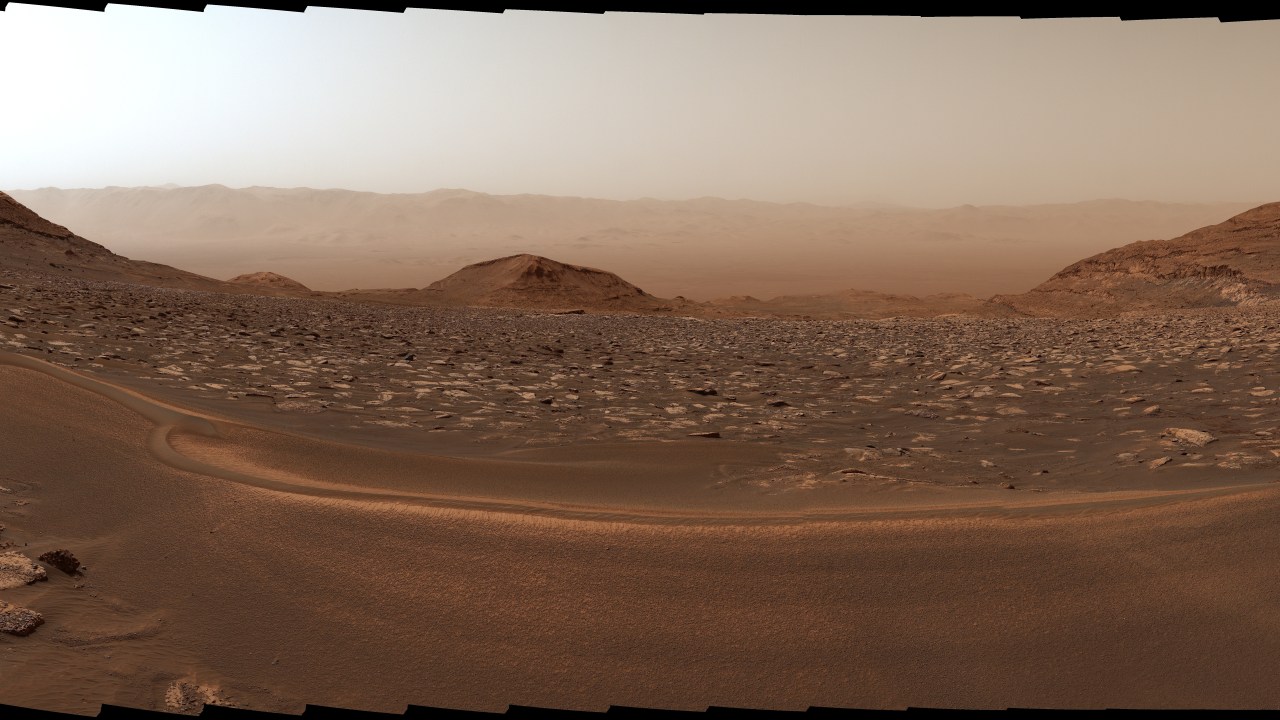
NASA separately recorded Curiosity reaching one kilometer above Gale Crater’s floor on August 26. A September 5 panorama looks back across that floor. Neither date belongs to the August 11 dawn mosaic, and the kilometer describes elevation gain—not the total length of the rover’s winding route.
Curiosity has explored Mars since its August 2012 landing. Its mission investigates whether ancient environments could have supported microbial life, using evidence from rocks and their chemistry. A landscape photograph can place that work in context, but an attractive dawn scene does not establish that life has been found.