Business · NEWS EXPLAINER
CAE agrees to sell Flightscape to SITA for $500 million; closing is expected in 2027
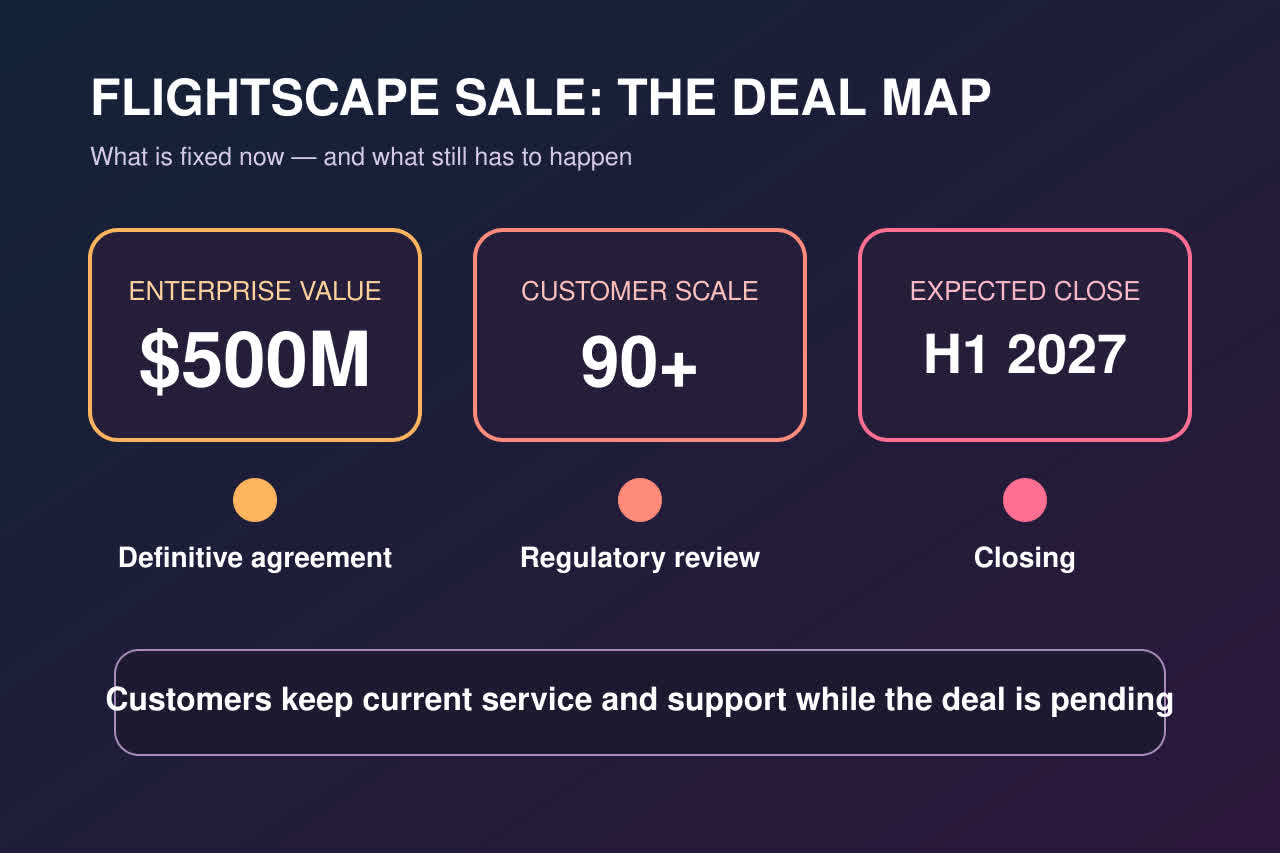
The proposed sale would move an airline-operations platform used by more than 90 carriers to SITA. The companies expect to close in the first half of 2027, subject to customary conditions and regulatory approvals.
CAE has signed an agreement to sell Flightscape, its airline-operations software business, to aviation technology provider SITA. Reuters valued the transaction at $500 million including debt; SITA's announcement says the acquisition is expected to close during the first half of 2027.
Flightscape supports flight planning, crew management, operations control, ground coordination and in-flight services. SITA says more than 90 airlines use the software daily, but the transaction is not complete and product integration will begin only after closing.
The agreement and the timetable
CAE and SITA announced a definitive agreement on October 26. Reuters reported a $500 million value including debt. SITA said closing is expected during the first half of 2027, subject to customary closing conditions and required regulatory approvals; that means ownership has not yet transferred.
What Flightscape does
Flightscape is an airline-operations software suite covering flight planning, crew management, operations control, ground activities and in-flight services. SITA says the products are used daily by more than 90 airlines, making this an operating-platform acquisition rather than a sale of aircraft or training hardware.
Why SITA wants the platform
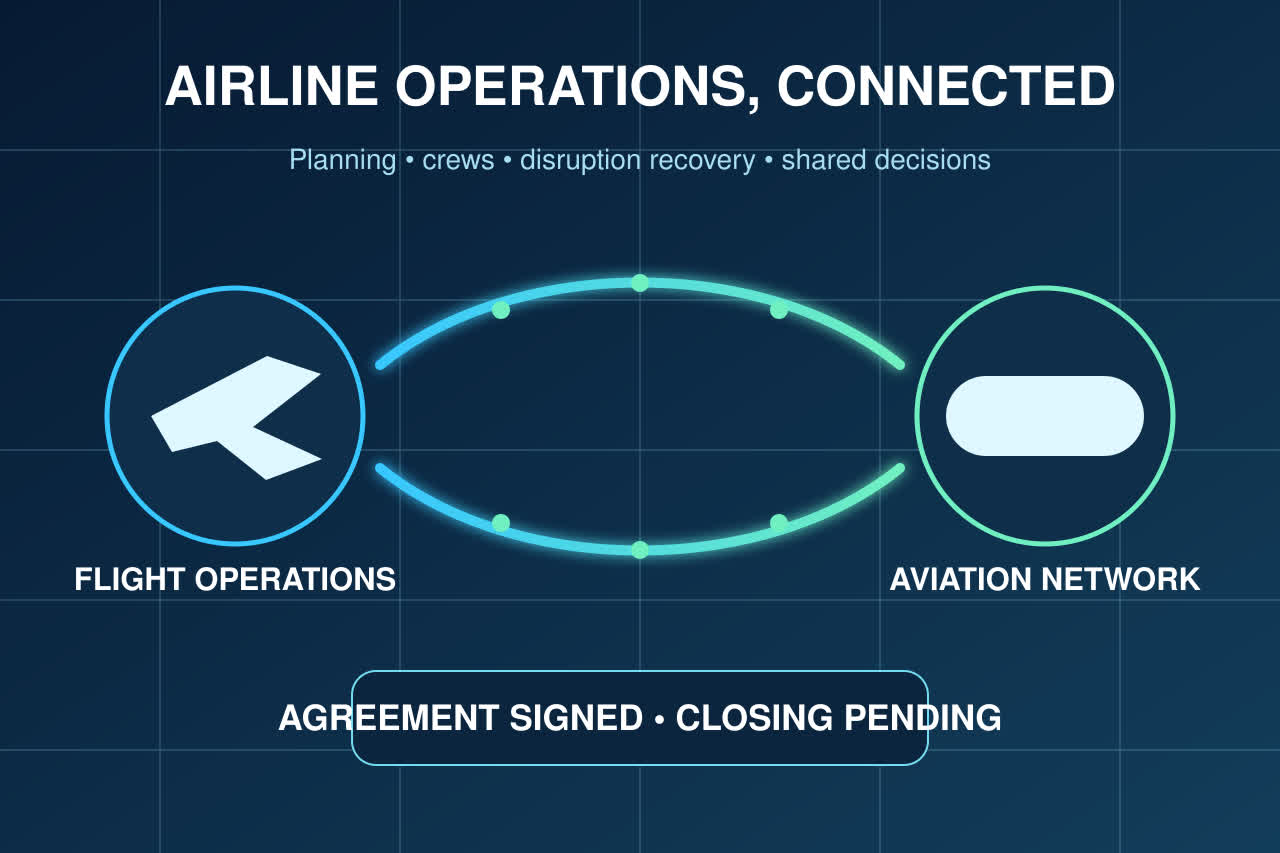
SITA says Flightscape would add the operational core where airlines make day-of-operations decisions. It plans to connect that layer with information already shared across aviation partners, plus tools from earlier acquisitions such as Safety Line and Big Blue Analytics. SITA says this work will start only after completion.
What customers are told now
SITA says Flightscape customers will retain their current service and support across flight operations and in-flight services. The solutions are expected to remain modular and open so airlines can choose components and connect them to existing systems. Those are buyer commitments, not evidence that every future integration detail is settled.
What remains conditional or undisclosed
The companies have announced an agreement, not a completed acquisition. Regulatory approvals and customary conditions still stand between signing and closing. Public statements do not provide a full purchase-price allocation, detailed integration schedule or quantified savings, so those points should not be inferred from the $500 million headline.