Tech · NEWS EXPLAINER
FAA delays Boeing 737 MAX 10 certification over flight-management software issue
The FAA has put MAX 10 certification on hold until a newly disclosed flight-management software issue is resolved, turning the earlier software review into a direct schedule setback for Boeing’s largest 737 MAX variant.
The Federal Aviation Administration has delayed certification of Boeing’s 737 MAX 10 until a newly disclosed flight-management software issue is resolved. FAA Administrator Bryan Bedford said the regulator will not certify the largest MAX variant until it is satisfied the problem does not create an unacceptable risk.
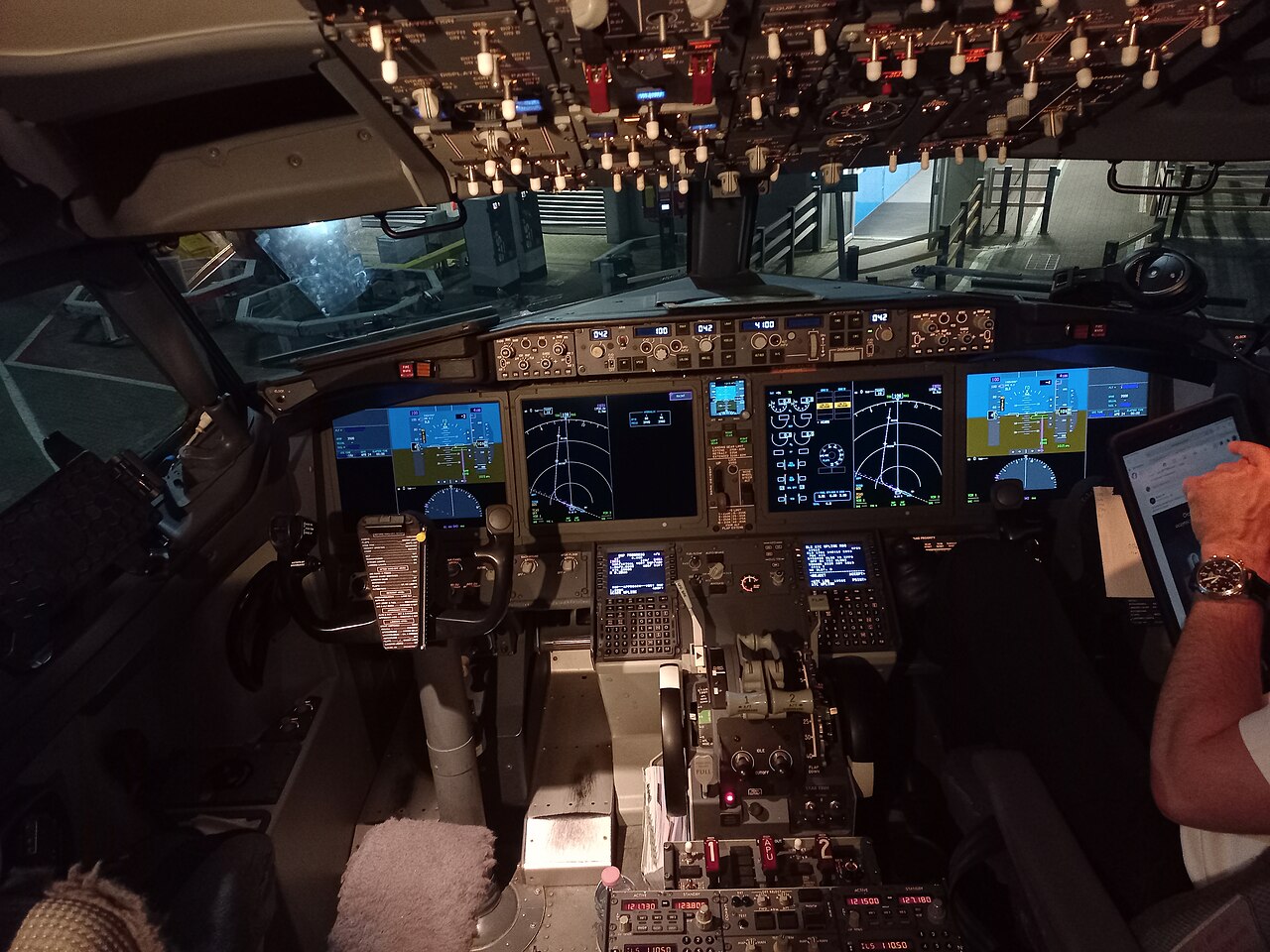
The underlying issue is the same one Boeing disclosed over the weekend: in a specific missed-approach or go-around sequence, some flight-management software can remove automated vertical guidance and increase pilot workload. Boeing says pilots retain control, existing procedures cover the scenario and engineers are developing a permanent software correction.
The software review now has a certification consequence
When Boeing first disclosed the problem, the immediate story was an FAA review of a narrow flight-management failure mode. On September 28, Bedford made the regulatory consequence explicit: the FAA will hold off certifying the MAX 10 until it is satisfied the issue has been addressed.
Reuters reported that the MAX 10 had been widely expected to receive certification in October. Bedford did not say whether the new delay would last days, weeks or months, so the current evidence supports a delay—not a specific replacement certification date.
What the software problem does—and does not do
The problem can occur in a specific landing sequence after a missed approach, when crews alter the pre-programmed flight path. In that scenario, automated vertical guidance can become unavailable, increasing crew workload during a go-around.
Bedford said pilots remain in control of the aircraft. Boeing says existing operating procedures and training cover the condition while engineers work on a permanent update, so the issue should not be described as a total loss of the autopilot or as proof that every 737 MAX is unsafe.
Airline exposure is uneven while Boeing works on the fix
WestJet told Reuters that some aircraft in its MAX fleet use the software under review, but the airline said it has not experienced related in-service events and does not view the issue as a safety concern. United and Alaska said their current aircraft do not use the affected version.
United also said it is not accepting deliveries equipped with the software version under review. That makes the practical impact broader than a software bulletin: the fix now affects MAX 10 certification timing and, for some customers, delivery planning.