Travel/Public Service · NEWS EXPLAINER
Bangkok Floods on September 27: Receding Water and Shelter Needs
Water levels fell in parts of Thailand’s capital on Sunday, but low-lying neighborhoods, roads and canals remained flooded after days of heavy rain, with thousands using shelters and more rain still possible.
This report covers Bangkok conditions reported on September 27, 2026, through 8:15 p.m. ICT (13:15 UTC). Shelter counts, road and airport conditions, and the rain warning below are dated reports, not a live citywide status. Before a journey, recheck the exact route with local authorities and the transport operator.
Floodwater was receding in many parts of Bangkok on Sunday after days of torrential rain, but the emergency was not over. Reuters reported that nearly 300 millimeters of rain fell over 48 hours through Saturday and that about 4,200 people were using shelters; AP reported roughly 3,000 people still in shelters and 31 roads affected by floodwater.
Other reports published that day described the scale using their own measures. AFP reporting carried by CNA said nearly 4,900 people had been evacuated and around 52,000 households were affected, while Bangkok’s canals remained high. Thailand’s Meteorological Department kept a heavy-to-very-heavy rain warning in force for Bangkok and the central region on Sunday.
Receding water does not mean Bangkok is back to normal
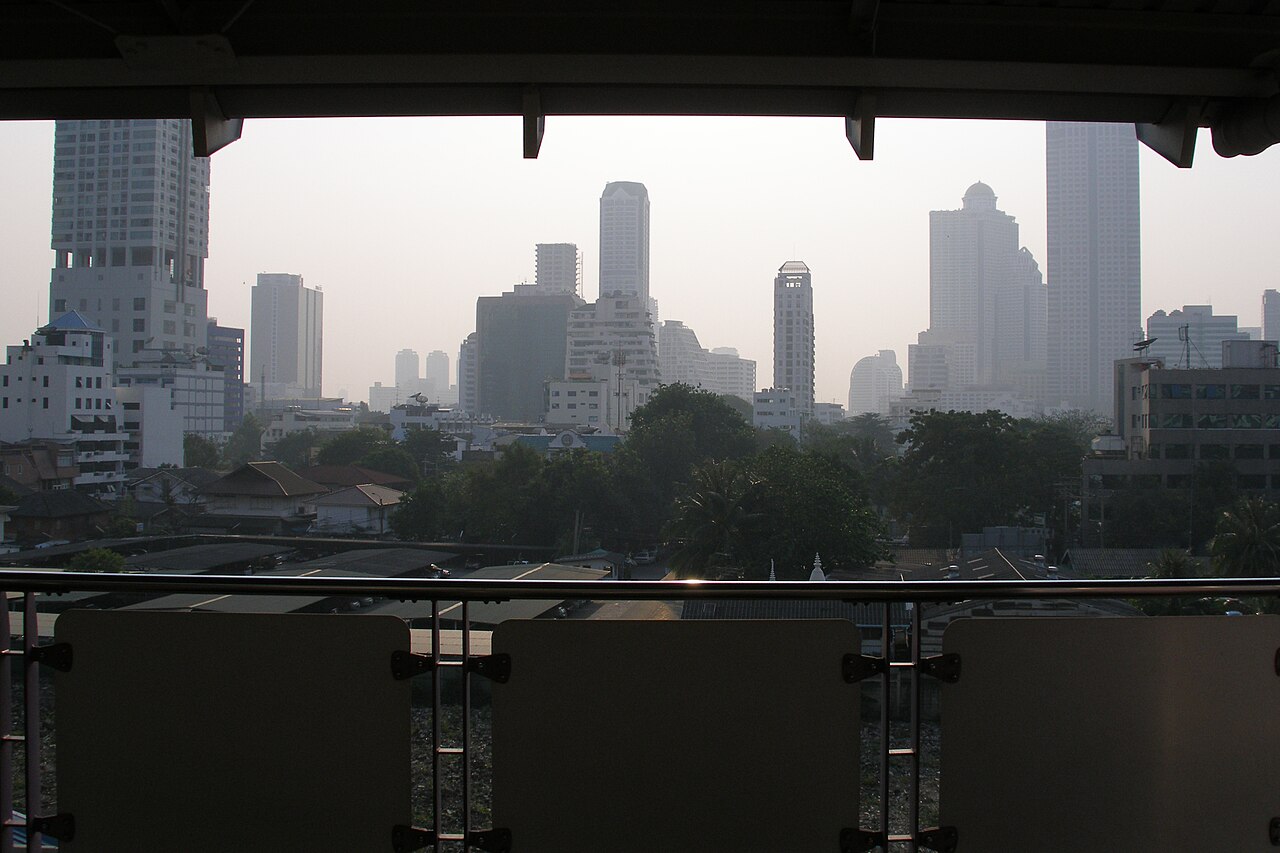
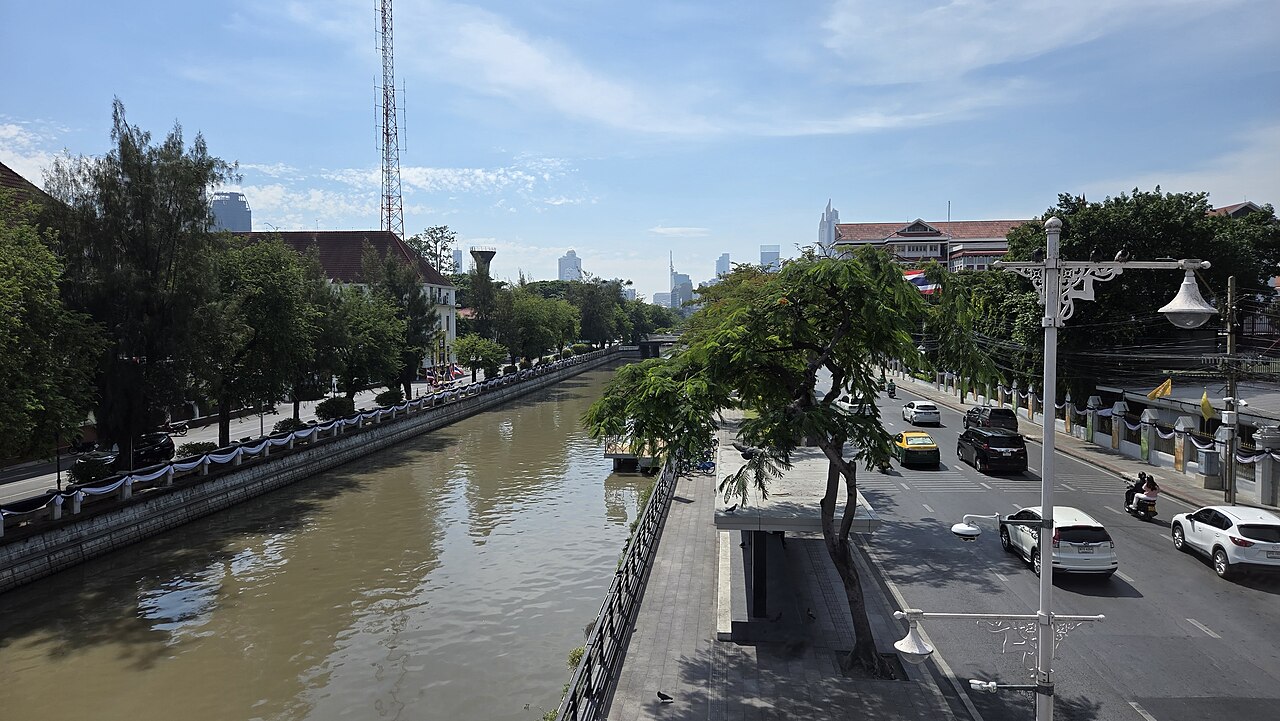
The improving headline masks uneven conditions. AP reported that several low-lying neighborhoods remained submerged even as rain eased, and Bangkok Governor Chadchart Sittipunt said canal levels were still high while crews accelerated drainage.
Reuters similarly described water receding across parts of the capital rather than a citywide return to normal. With so much rain falling in a short period, drainage capacity and canal levels remained central to how quickly individual neighborhoods could recover.
Why the shelter counts cannot be combined
Reuters reported about 4,200 people using shelters, CNA/AFP nearly 4,900 evacuated, and AP about 3,000 still in shelters on Sunday. People evacuated and people remaining in shelters are different measures. Without matching coverage and cutoff times, these reports cannot establish how many people returned home, and the figures should not be added or subtracted.
CNA/AFP also reported around 52,000 households affected, with some flooded communities still struggling to reach groceries and hundreds of schools due to close Monday. AP said 31 roads remained affected, illustrating why citywide improvement could coexist with severe local disruption.
For travelers, road and rain conditions matter as much as airport status
AP reported that airports continued operating but passengers faced delays, while some long-distance train and bus services were suspended. That makes the trip to or from a terminal part of the disruption: an operating airport does not mean surrounding roads or ground transport are moving normally.
Thailand’s Meteorological Department warned Sunday that continuous heavy to very heavy rain could still trigger flash flooding and overflows in Bangkok, the central region and other areas. Travelers and residents should therefore rely on current airline, transport and local authority updates rather than assuming receding water in one district reflects conditions across the city.