Business/Consumer · NEWS EXPLAINER
Apple faces $5.72 billion Taction patent verdict over Taptic Engine technology
A California federal jury found that Apple infringed two Taction haptic patents and awarded $5.72 billion; Apple rejects the finding and says it will appeal.

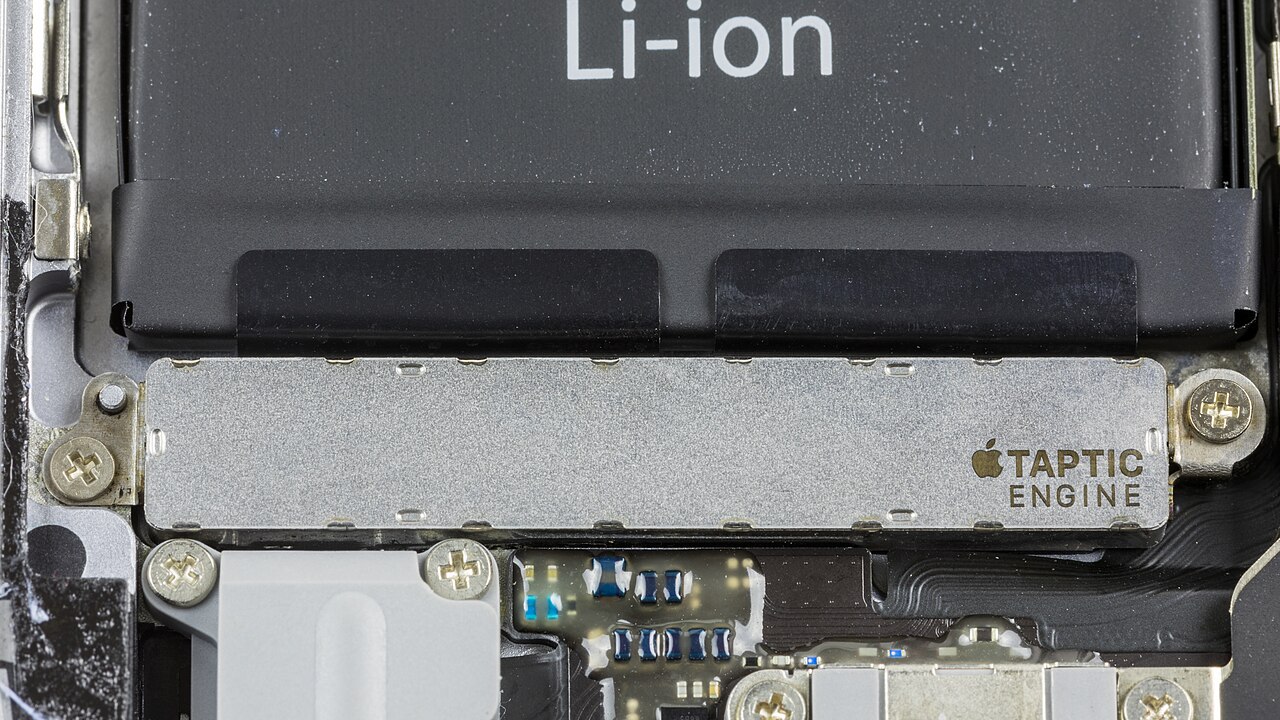
A federal jury in California found that Apple infringed two Taction Technology patents used in the dispute over haptic feedback and awarded the San Diego company $5,721,961,750. The verdict concerns Apple’s Taptic Engine, the hardware that creates precise taps and vibrations in products including iPhones and Apple Watches.
Apple says its technology is fundamentally different from Taction’s, disputes both infringement and the damages figure, and plans to appeal. That distinction matters: the jury verdict is a major legal result, but it is not the end of the case and reports as of September 27 did not identify an immediate change to products already on sale.
What the jury decided
Reuters and Law360 reported that jurors found Apple infringed patents 10,659,885 and 10,820,117, which cover systems for producing damped, electromagnetically actuated vibrations. Taction says its technology is used in headphones and gaming headsets.
The verdict form, reviewed by AppleInsider, found infringement on three asserted patent claims and rejected Apple’s invalidity defenses. Jurors did not find willful infringement, meaning they did not conclude that Apple knowingly infringed the patents.
Apple says the Taptic Engine is different
Apple told Reuters and AppleInsider that the Taptic Engine is fundamentally different from Taction’s technology. The company said Taction’s own product testing supported Apple’s position and that it does not use Taction technology.
Apple also rejected the damages calculation and said it will appeal. An appeal can challenge legal rulings or the verdict, so the $5.72 billion figure should be treated as a jury award that remains subject to further court proceedings—not as a completed payment.
Why the case returned after an earlier Apple win
Taction sued Apple in 2021. A federal judge ruled in 2023 that Apple did not infringe, but the U.S. Court of Appeals for the Federal Circuit revived the case in 2025, allowing it to return to the trial court.
The new verdict creates substantial financial and technology stakes, but reports as of September 27 did not identify an injunction, recall or immediate product restriction. For consumers, the near-term takeaway is the legal risk around a familiar hardware feature, not a confirmed change to how an iPhone or Apple Watch works.