Technology · NEWS EXPLAINER
Amazon’s TorchNeuron brings native PyTorch workflows to Trainium without model rewrites
The Apache 2.0 backend is scheduled to open on October 20 for Trainium2 and Trainium3, lowering software-portability friction without guaranteeing workload-level parity.
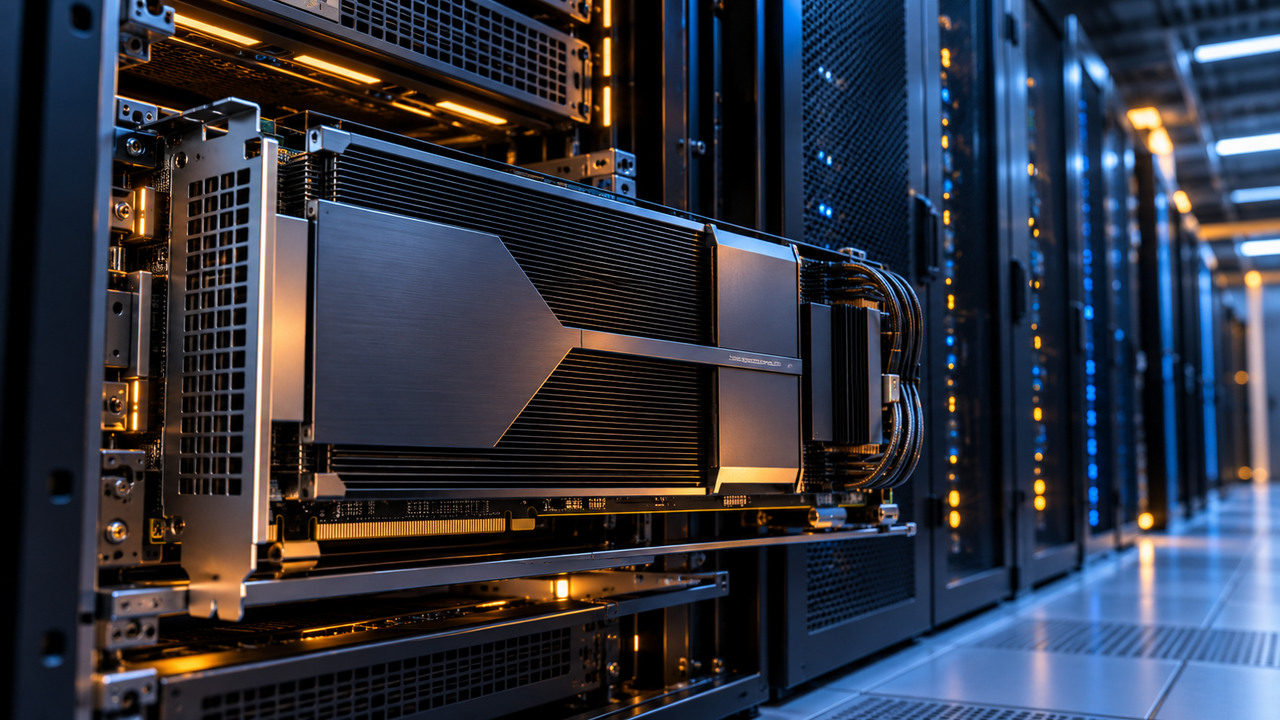
Amazon has introduced TorchNeuron, a native PyTorch backend designed to let existing AI model code run on AWS Trainium chips with a device-setting change rather than a rewrite. Reuters and Amazon’s complete announcement agree on that central portability claim.
The release is scheduled for October 20 under the Apache 2.0 license, with support for Trainium2 and Trainium3. The practical promise is easier evaluation of Amazon’s chips; performance, feature coverage and cost still need workload-specific testing.
What Amazon announced
TorchNeuron is a native PyTorch backend for AWS Trainium. Amazon says existing model code can target Trainium through a device-setting change instead of a chip-specific rewrite, while developers keep familiar PyTorch testing, debugging and scaling tools.
The code is scheduled to open on October 20
Amazon says TorchNeuron will be released under the Apache 2.0 license at PyTorch Conference North America on October 20. The announced support covers Trainium2 and Trainium3. Until the public release is available, readers should treat those details as a scheduled launch rather than a completed download.
Why software portability matters
Nvidia’s CUDA ecosystem has been a major advantage because it gives PyTorch developers a mature route to Nvidia hardware. TorchNeuron is Amazon’s attempt to reduce the switching cost for teams evaluating Trainium. Reuters reported that more than 30 early users span robotics, world models and voice AI.
The backend fits standard PyTorch workflows
Amazon says TorchNeuron uses PyTorch’s standard mechanism for registering new hardware, integrates with TorchTitan and distributed tools such as FSDP, and supports Hugging Face tooling. The company also says it tests every build against hundreds of thousands of models. These are vendor statements, not independent performance benchmarks.
What teams should verify before migrating
No-rewrite compatibility does not guarantee that every operator, model or production workflow will perform identically. Engineering teams should check feature coverage, numerical behavior, compilation time, throughput, latency and total cost on representative workloads before moving a production system.