Technology/Consumer Protection · NEWS EXPLAINER
Amazon and Flipkart review security cameras missing from India's BIS list
Amazon India and Walmart-owned Flipkart began reviewing internet-connected camera listings after Reuters found more than 700 of roughly 770 checked models absent from the public Bureau of Indian Standards database. Buyers should verify the exact model and registration—not rely on a marketplace badge.
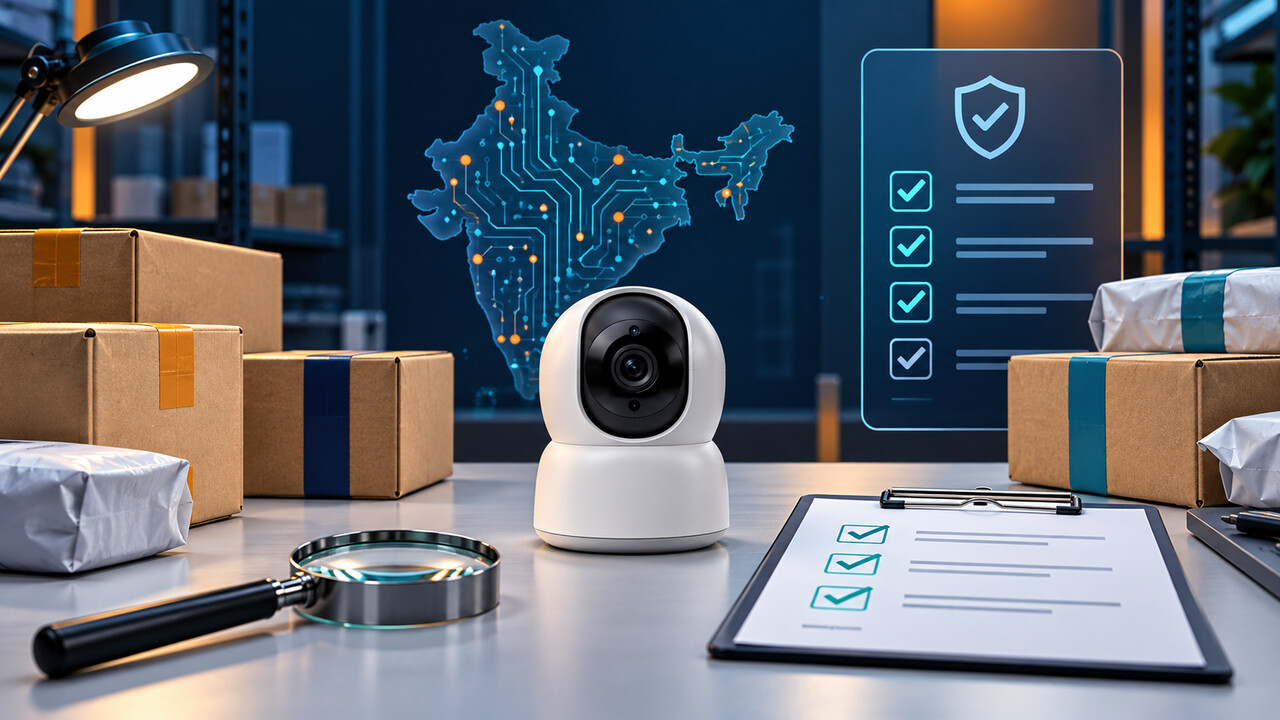
Amazon India and Walmart-owned Flipkart are reviewing internet-connected security-camera listings after a Reuters investigation found that more than 700 of roughly 770 models checked did not appear in the Bureau of Indian Standards' public database of approved cameras.
India requires covered CCTV cameras and recorders to complete the relevant testing and registration process before sale. But the database mismatch does not prove that every camera currently shown on either marketplace has failed a government test, and a listing badge does not prove that the exact model is approved. The useful buyer question is narrower: do the manufacturer, full model number and BIS registration shown on the product match an official record?
What changed on Amazon and Flipkart
Reuters reported on October 1 that the two marketplaces were checking third-party camera listings and that products without government approval would be removed. At least 12 listings had disappeared since Tuesday, including two models sold under Hikvision's EZVIZ brand. Hundreds remained online when the report was published.
Reuters compared roughly 770 internet-connected camera listings with the public BIS database and found more than 700 absent. The report included products from Hikvision, Dahua and Maizic Smarthomes. Amazon declined to comment, Flipkart did not respond, and BIS did not immediately answer Reuters' questions about the listings.
The review was unfinished at publication. A product page available today may be removed later. A page that disappears does not by itself show whether the seller withdrew it, the marketplace suppressed it or the manufacturer is seeking approval.
What BIS registration means for a camera buyer
BIS lists CCTV cameras and CCTV recorders in India's Compulsory Registration Scheme for electronics and information-technology goods. Its official page identifies IS/IEC 62368 Part 1:2023 and references the 2021 compulsory-registration order and a March 10, 2026 amendment.
Compliance attaches to a defined manufacturer and product registration, not merely to a familiar brand. A title such as “Wi-Fi camera,” a seller's certification claim or a logo in an image is not a substitute for matching the exact model to an official record.
Before buying, capture three details from the listing or package:
1. The manufacturer's legal name, not only the consumer-facing brand.
2. The exact model number, including suffixes that can identify a different hardware version.
3. The BIS registration or licence number and the standard cited on the label.
Compare those details with the official BIS registration information. If the model or manufacturer does not match, ask the seller or manufacturer for the applicable certificate before paying. Saving the listing and invoice can preserve what was represented if the page later changes.
Approval and cybersecurity are separate checks
BIS registration is a regulatory check; it is not a guarantee that a network camera is secure in every configuration. Conversely, changing a password does not make an unregistered product compliant with Indian sale rules.
For people who already own an internet-connected camera, CISA recommends keeping firmware and security patches current and disabling remote access when it is unnecessary. CISA and NSA guidance also advises changing vendor-supplied default credentials when equipment is installed.
Those steps reduce common exposure but do not resolve registration. Owners should still record the exact model and registration information, check the manufacturer's support page for firmware updates, and learn whether the camera sends video to a cloud service or can operate locally. If remote viewing is not needed, turning it off removes one path into the device.
Maizic, one manufacturer cited by Reuters, said it had removed Wi-Fi functionality that allowed remote live feeds and would limit devices to direct nearby-phone connections until it secured approval. That is a company-specific response, not evidence that every affected model will receive the same change.
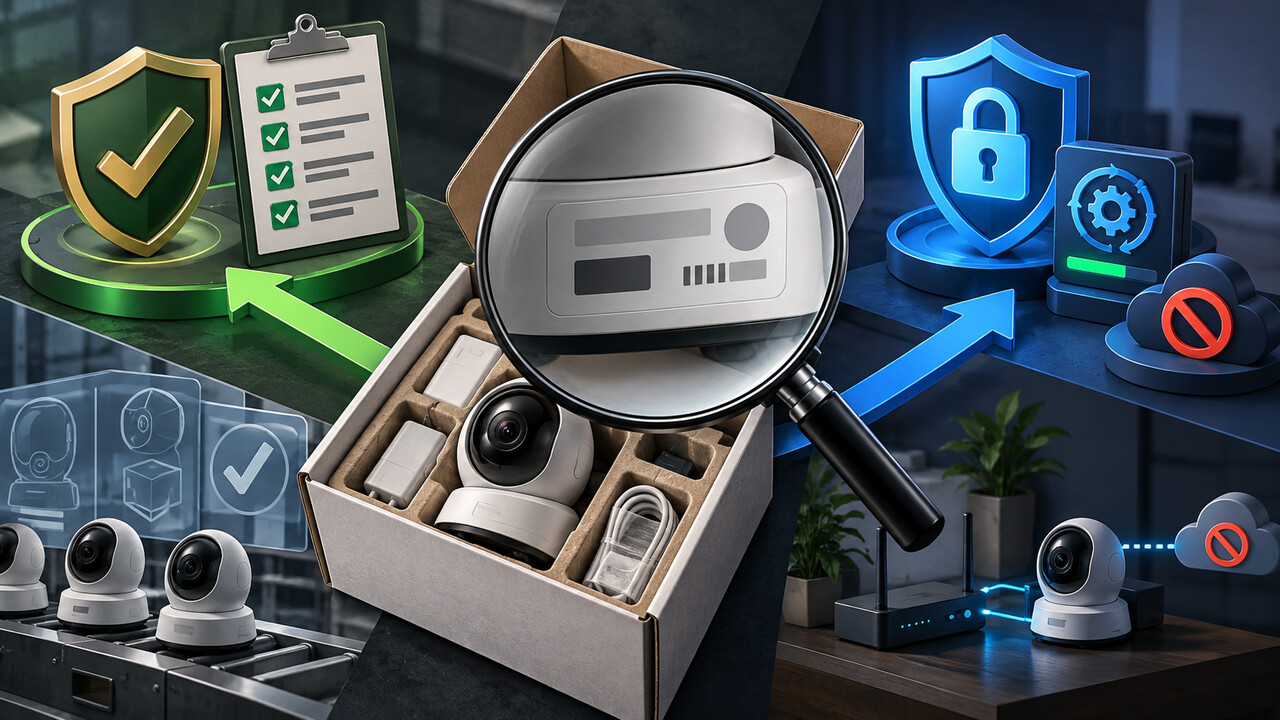
What to do if a listing disappears
If a saved product page vanishes before purchase, do not assume an identical-looking replacement is the same approved model. Re-check the manufacturer, model suffix and registration record.
If the camera has already been delivered, preserve the invoice, product-page screenshots, packaging labels and serial number. Ask the seller or marketplace for the specific approval record and available return or support options. Policies can depend on the seller, purchase date and marketplace terms, so the review does not establish that every buyer will receive a refund.
For an installed camera, avoid discarding evidence before confirming the model and support path. Update the device, change default credentials and disable remote access if it is not needed while checking registration.
What is still unknown
Neither marketplace had published a complete list of affected models when Reuters reported the review. The final number of removals, the pace of remaining checks, whether manufacturers will obtain approvals and what remedies will be offered to previous buyers were not yet clear.
The safest near-term decision is model-level verification. Treat the marketplace review as a reason to check the exact camera—not as proof that every device from a named brand is unapproved, unsafe or about to stop working.