Technology · NEWS EXPLAINER
2027 Hyundai Tucson revealed: 42-mpg hybrid target, bigger cabin and no U.S. price yet
Hyundai’s all-new Tucson is larger, adds a 233-hp hybrid and new cabin technology, and reaches North America in 2027. The useful limits: 42 mpg is a target, U.S. pricing is not announced, and the plug-in hybrid is not confirmed for America.
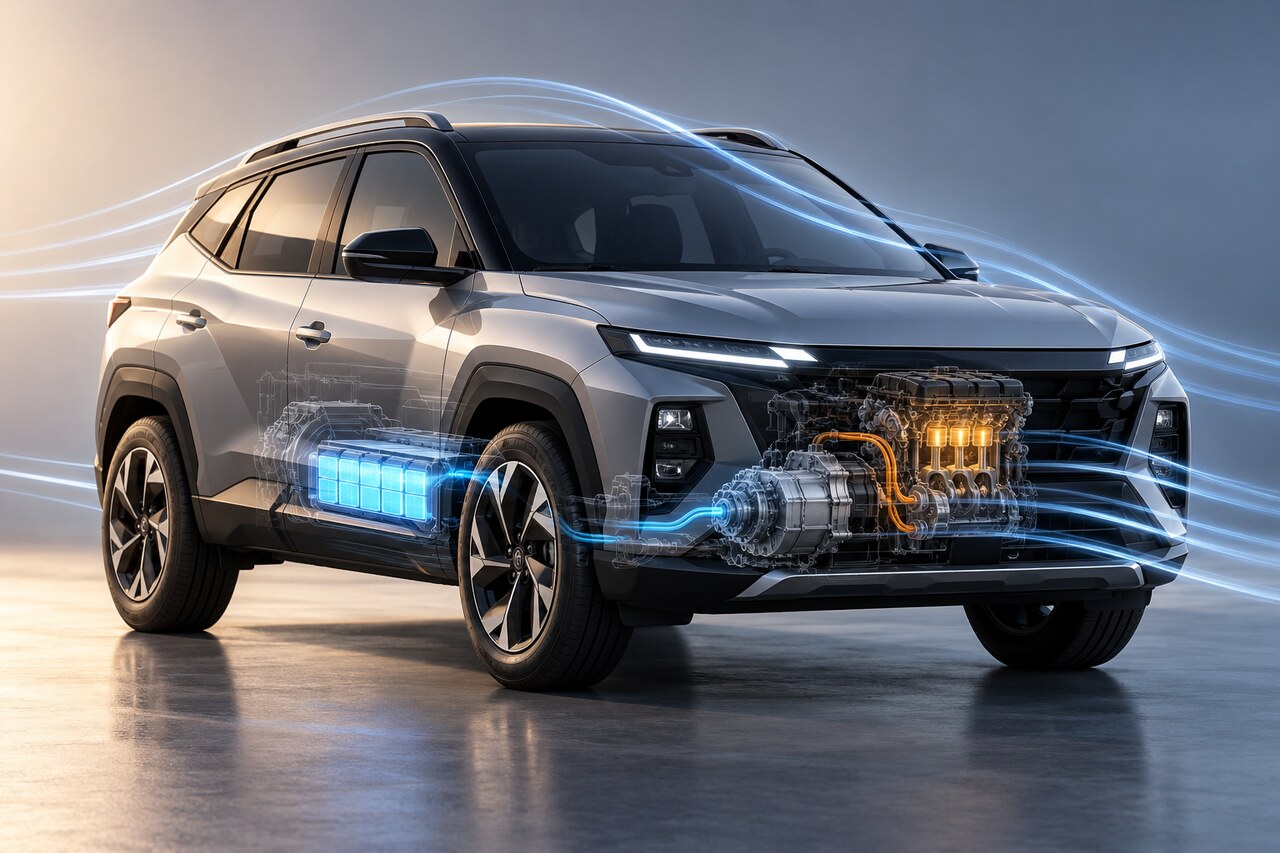
Hyundai unveiled a fully redesigned Tucson in New York on October 1, setting up a 2027 North American launch with a larger body, a 233-horsepower hybrid and a new Android Automotive-based cabin system. The headline efficiency figure is a manufacturer target of up to 42 mpg, not a final EPA label. Hyundai has not announced U.S. prices, a dealer on-sale date or a complete U.S. trim list.
For U.S. shoppers, Hyundai’s technical table confirms a 184-hp gasoline model and a 233-hp hybrid. It does not list U.S. output for the plug-in hybrid, while independent launch coverage says that version will be sold only in selected markets. Buyers should not assume the global plug-in configuration is coming to American dealers.
The redesign grows the long-wheelbase Tucson and lists 41.7 cubic feet of cargo room. Pleos Connect uses Android Automotive OS, large touchscreens and Gleo AI while retaining physical climate and audio buttons. XRT Pro adds all-wheel drive, all-terrain tires, recovery hooks and 8.2 inches of ground clearance. Prices, final EPA ratings, trim packaging and a precise dealer date remain open.
What U.S. buyers can count on
Hyundai’s official table lists a 184-hp gasoline engine and a 233-hp hybrid for the United States. Both sit inside a larger fifth-generation Tucson scheduled to reach North America in 2027. The hybrid uses a six-speed automatic and an integrated cooling system; Hyundai also introduces E-Traction torque management and an engine-off Stay Mode for cabin functions.
Why the 42-mpg figure needs an asterisk
Hyundai describes up to 42 mpg as a target. Its technical table separately shows a 40-mpg North American figure for a 4WD hybrid configuration, but final EPA labels and trim-specific ratings are not yet published. A buyer should compare the eventual window sticker, not treat the reveal number as guaranteed real-world economy.
A bigger cabin, with more software
The new body is longer, wider and taller, with a longer wheelbase, 41.7 cubic feet of listed cargo space and rear doors that open wider. Pleos Connect adds Android Automotive OS, large displays, over-the-air updates and a conversational Gleo AI assistant, while physical climate and audio controls remain. Final U.S. feature packaging and any subscriptions are still unknown.
XRT Pro targets light off-road use
XRT Pro combines all-wheel drive, all-terrain tires, recovery hooks, extra cladding and 8.2 inches of clearance. Smart Terrain Assist evaluates slip and traction, while low-speed target control manages acceleration and braking. Independent testing will be needed to judge capability and ride trade-offs.
What is still missing before you shop
Hyundai has not published U.S. pricing, a precise dealer date, final trim content or final EPA ratings. The global plug-in hybrid has 292 ps and an estimated 81 km electric range, but Hyundai’s official U.S. output column is blank and independent launch coverage limits it to selected markets. Until Hyundai Motor America confirms otherwise, U.S. shoppers should compare the gasoline and conventional hybrid versions only.